무료 아트 컨설팅

x
프린트 구매하기 프린트 구매하기이미지 구매하기 이미지 구매하기 공유하기공유하기
DetailsDetails 즐겨찾기에 추가 즐겨찾기에 추가 다운로드다운로드 유사 작품유사 작품 X-RayX-Ray 슬라이드 쇼슬라이드 쇼

Pride (sketch)

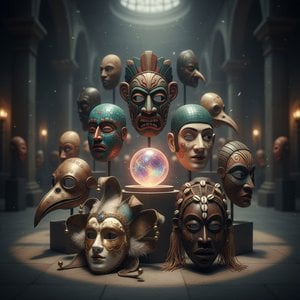
James Ensor's "Pride" (sketch) captures a haunting scene of masked figures and birds, reflecting the artist’s exploration of social commentary and psychological depth. A unique glimpse into his unsettling artistic vision.

James Ensor는 표현주의와 초현실주의의 선구자였으며 그의 기괴하고 충격적인 작품들로 유명합니다. 가면 예술과 종교적 비판을 통해 인간 본성의 어두운 측면을 탐구하는 그의 독특한 스타일은 미술사에서 중요한 위치를 차지합니다.

수제 유화 복제품

원하는 크기와 액자로 주문 제작되는, 작가들이 직접 캔버스에 손으로 그린 유화 작품입니다.

P118B $10
P118H $10
P118W $10
P438Z $10
P508JH $12
P508YH $12
P805H $10
P805Z $10
P919BZ $10
P919G $10
P919XJ $10
P959ZH $10
P968JZ $12
W106C $8
W218G $10
W218JH $8
W218Y $10
W307PJ $10
W316G $10
W316PJ $8
W316Y $10
W398PJ $8
W4111J $10
W500HY $15
W500JH $15
W692G $12
W849H $8
W940BG $15
W953PJ $8

Standard
custom
CM
INCH

작품의 원본 비율을 유지하는 미리 설정된 크기 중에서 선택하세요.

가로 너비
세로 길이

특정 프레임이나 공간에 맞도록 직접 크기를 입력할 수 있습니다. 선택하신 크기가 원본 이미지의 비율과 일치하지 않는 경우, 작품을 자르거나 추가적인 손으로 그린 요소를 사용하여 그림을 확장합니다. 제작 시작 전 승인을 위해 디지털 목업을 보내드립니다.
화면 미리 보기는 실제 자르기 또는 확장을 반영하지 않습니다. 최종 구성은 목업을 통해서만 정확하게 확인하실 수 있습니다.
맞춤 크기 제작도 가능하지만, 원본 비율을 유지하기 위해 사전 정의된 목록에서 크기를 선택하시는 것을 권장합니다.

변경 가능한 예시: 얼굴을 고객의 사진으로 교체, 반려동물 추가(예: 고양이를 강아지로 변경), 배경에 숨겨진 메시지 삽입, 배경 풍경 또는 요소 변경 등
주문 후 WahooArt.com 팀에서 상세 안내를 위해 고객님께 이메일을 보내드리며, 미리보기 시안을 제공해 드립니다.

전 세계 배송()은 표준 5주 대신 3~4주 내에 완료됩니다. (2 7월). 품질에는 어떠한 타협도 하지 않습니다.

why_choose_icon
전 세계 무료 특급 배송
why_choose_icon
프리미엄 린넨 캔버스
why_choose_icon
전체 배송 보험 보장
why_choose_icon
관세 환불 보장
why_choose_icon
실제 색상 일치 보장
why_choose_icon
60일 이내 반품 정책 (제조 결함 시)
why_choose_icon
100% 환불 보장
why_choose_icon
다량 구매 할인 혜택

총 합계 금액

-

reproduction

Pride (sketch)

재현 기법

복제본 크기

-

최종 결제 금액

-

작품 정보 요약

  • Artistic style: Expressionism
  • Medium: Sketch
  • Influences: Carnival masks
  • Title: Pride (sketch)
  • Artist: James Ensor

예술 상식 퀴즈

각 질문의 정답은 하나뿐입니다.

질문 1:
What is the primary subject depicted in James Ensor’s ‘Pride (sketch)’?
질문 2:
The sketch prominently features birds. What is the most likely symbolic meaning of these birds?
질문 3:
James Ensor is known for his work in which artistic movements?

작품 상세 설명

The Unsettling Gaze of “Pride”

James Ensor’s “Pride,” a preliminary sketch from his ambitious “Deadly Sins” series, isn't merely a depiction of a gathering; it’s a carefully constructed tableau brimming with psychological tension and veiled social critique. The black-and-white photograph captures the raw energy of an early iteration – a glimpse into Ensor’s creative process before the final, more polished etchings emerged. The scene unfolds within a dimly lit interior, dominated by a central figure—a man standing apart from the throng of formally dressed individuals surrounding him. This isolation immediately draws our attention, suggesting a sense of judgment or perhaps even alienation. The figures themselves are rendered with an unsettling directness; their faces largely obscured by masks – not literal theatrical disguises, but symbolic representations of hidden identities and societal facades.

Ensor’s masterful use of line and shadow creates a palpable atmosphere of unease. Notice the sharp angles of the architecture, the exaggerated proportions of the figures, and the unsettling arrangement of birds scattered throughout the composition. These avian elements aren't simply decorative; they contribute to the overall sense of chaos and disruption, hinting at anxieties about morality and the intrusion of the natural world into a structured social environment. The sketch’s immediacy—the visible pencil strokes, the smudges of charcoal—underscores Ensor’s deliberate rejection of academic formality, aligning him with the burgeoning Expressionist movement that would soon challenge traditional artistic conventions.

A Portrait of Victorian Society – and its Discontents

Created in 1904, “Pride” is deeply rooted within the social anxieties of late Victorian England. Ensor was a keen observer of his native Ostend, Belgium, and he frequently used his art to expose the hypocrisy and superficiality of bourgeois society. The meticulously dressed men – their suits, ties, and carefully constructed postures – represent the rigid expectations and constraints imposed upon individuals by societal norms. The sketch’s title itself, “Pride,” is a deliberate provocation, suggesting that this gathering isn't about genuine connection or celebration but rather an exercise in outward appearances and self-importance. The birds, often associated with freedom and instinct, seem to be mocking the rigid formality of the scene, further emphasizing the disconnect between appearance and reality.

Considering Ensor’s broader body of work, particularly his “Deadly Sins” series, "Pride" can be interpreted as a commentary on vanity, greed, and envy – vices that were considered central to Victorian morality. The sketch's stark monochrome palette amplifies the sense of moral judgment, stripping away any potential distractions and focusing our attention on the underlying tensions within the scene. It’s a powerful reminder that beneath the veneer of respectability often lurks a darker, more unsettling truth.

Technique and Artistic Innovation

Ensor's technique in this sketch is remarkably expressive, anticipating the bold graphic style he would later develop in his etchings. He employs a rapid, gestural approach, utilizing loose lines and varying pressures to create a dynamic sense of movement and emotion. The use of charcoal allows for a rich range of tonal values, contributing to the dramatic lighting effects within the composition. Notably, this sketch served as a preliminary study for the final, more elaborate etchings in the “Deadly Sins” portfolio, demonstrating Ensor’s iterative process – constantly refining his ideas and experimenting with different approaches before committing them to paper.

The influence of Symbolism is evident in Ensor's use of symbolism and his interest in exploring psychological states. He was deeply influenced by the works of Gustave Moreau and Odilon Redon, both prominent figures within the Symbolist movement. However, unlike many of his contemporaries, Ensor pushed beyond purely decorative symbolism, imbuing his work with a distinctly unsettling and often grotesque quality. “Pride” exemplifies this approach – it’s not simply a representation of a scene but an exploration of human nature and its darker impulses.

A Timeless Reflection on Human Nature

“Pride,” in its raw sketch form, offers a profound insight into the artist's vision and his enduring fascination with the complexities of human behavior. It’s a work that continues to resonate today, prompting us to question our own assumptions about social appearances, moral values, and the masks we wear in everyday life. WahooArt is proud to offer high-quality reproductions of this captivating sketch, allowing you to experience Ensor's unsettling genius firsthand. Whether displayed as a statement piece in your home or studied for its historical significance, “Pride” remains a powerful testament to the enduring legacy of James Ensor.


작가 약력

James Ensor: A Pioneer of Expressionism and Surrealism

James Sidney Edouard, Baron Ensor (Ostend, 13 April 1860 – 19 November 1949) was a Belgian painter and printmaker who stands as one of the most influential figures in the development of Expressionism and Surrealism. Born into an English father and Belgian mother amidst the vibrant atmosphere of Ostend’s annual Carnival—a formative experience that profoundly shaped his artistic vision—Ensor embarked on a lifelong journey to explore the darker recesses of human psychology and challenge conventional aesthetic standards.

Early Influences and Artistic Training

From a young age, Ensor demonstrated an innate talent for drawing and painting, nurtured by local instructors and fueled by an unwavering fascination with observation. His formative years were spent studying at the College of the Blessed Virgin in Ostend, where he honed his skills alongside fellow artists like Fernand Khnopff and Theo Van Rysselberghe—artists who would later become associated with the influential *Les XX* group.

The Shift Towards Grotesque Expressionism

Ensor’s artistic trajectory took a decisive turn in the late 1880s as he abandoned academic realism for a bold embrace of grotesque expressionism. Influenced by Rembrandt, Francisco Goya, and Japanese woodcuts—artists who championed emotional intensity and unsettling imagery—he began to populate his canvases with disturbing tableaux featuring skeletons battling over a hanged man, masks embodying hidden identities, and allegorical figures confronting existential anxieties.

Key Masterpieces and Recurring Themes

Among Ensor’s most celebrated works are *The Scandalized Masks* (1883), which captures the pervasive influence of disguise and social critique; *Skeletons Fighting over a Hanged Man* (1891), a haunting meditation on mortality and decay; and *Christ's Entry into Brussels* (1888–89)—a monumental painting that satirizes religious hypocrisy with unflinching boldness. Recurring throughout Ensor’s oeuvre are explorations of death, social injustice, psychological torment, and the boundless potential for imaginative distortion—themes that continue to resonate powerfully with audiences today.

A Legacy Beyond Style: Influence on Modern Art

James Ensor's uncompromising artistic vision irrevocably altered the course of modern art. Rejecting academic conventions and embracing subjective experience, he paved the way for subsequent generations of artists who dared to confront uncomfortable truths and challenge established norms. His pioneering use of grotesque imagery—coupled with his masterful manipulation of color and line—established a distinctive stylistic vocabulary that profoundly impacted Expressionist painters like Edvard Munch and Ernst Ludwig Kirchner—artists who similarly sought to convey inner turmoil and psychological complexity.

제임스 엔서

제임스 엔서

1860 - 1949 , 벨기에

주요 정보

  • Artistic Movement Or Style: Expressionism 및 Surrealism
  • Artists Who Influenced This Artist:
    • 피터 브뤼겔 더 엘더
    • 프란시스코 고야
    • 윌스 스미스 휘슬러
  • Date Of Birth: April 13, 1860
  • Date Of Death: November 19, 1949
  • Full Name: James Sidney Edouard Ensor
  • Nationality: Belgian
  • Notable Artworks:
    • The Scandalized Masks
    • Skeletons Fighting...
    • Christ's Entry into Brussels
  • Place Of Birth: Ostend, Belgium
테마, 스타일 및 특징별로 분류된 작품들을 만나보세요.