빠른 제작과 다양한 마감 옵션을 제공하는 박물관 품질의 지클레이 또는 캔버스 프린트. ( 손으로 그린 그림 구매 디지털 이미지로 전환)





























작품의 원본 비율을 유지하는 미리 설정된 크기 중에서 선택하세요.

특정 프레임이나 공간에 맞춰 직접 치수를 입력하실 수 있습니다. 선택하신 사이즈가 원본 이미지의 비율과 일치하지 않을 경우, 작품을 크롭(자르기)하거나 이미지를 대칭 또는 단색 채우기로 확장하여 제작합니다. 제작 시작 전, 최종 확인을 위해 디지털 목업이 전송됩니다.
화면상의 미리보기는 실제 크롭이나 확장 상태를 반영하지 않으므로, 최종 구도는 오직 목업을 통해서만 정확하게 확인하실 수 있습니다.
맞춤 사이즈 제작도 가능하지만, 원본 비율을 유지하기 위해서는 사전 정의된 목록에서 치수를 선택하시는 것을 권장합니다.

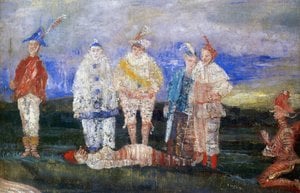
Masques regardant un negre batteleur
복제본 크기
James Ensor's "Masques regardant un negre batteleur" (Masks Watching a Black Fighter), painted around 1879, is not merely a depiction of a scene; it’s an immersion into a world steeped in theatricality, anxiety, and the unsettling gaze of observation. This powerful black-and-white artwork, currently housed within private collections but readily available through WahooArt's exquisite hand-painted reproductions, immediately confronts the viewer with a chaotic gathering – a tableau vivant brimming with figures engaged in an unseen struggle. The central focus is a man, starkly nude and positioned before a figure wielding a stick and holding a bird, suggesting a ritualistic or violent encounter. The scene unfolds within a densely populated space, filled with individuals performing various actions: some seated, others standing, all contributing to the overall sense of heightened drama and unspoken tension.
Ensor’s artistic journey was profoundly shaped by his upbringing in Ostend, a vibrant seaside resort town known for its annual carnival. His parents operated a souvenir shop overflowing with masks, costumes, and exotic objects – a veritable treasure trove that ignited his imagination and became a recurring motif throughout his oeuvre. This fascination with disguise and the theatrical is palpable here; the masks themselves are not merely decorative elements but symbols of hidden identities and concealed emotions. The very title, “Masques,” immediately establishes this core theme, hinting at a world where appearances are deliberately misleading and reality is obscured.
The painting’s stark monochrome palette – predominantly black and white – amplifies the dramatic effect, lending it an almost photographic quality while simultaneously evoking the atmosphere of a theatrical stage. Ensor masterfully employs hatching and cross-hatching to create texture and volume, particularly evident in the figures' clothing and the bird held aloft. The composition is deliberately crowded and claustrophobic, drawing the viewer into the scene and preventing any sense of easy escape. The placement of the turtle near the bottom left corner adds an unexpected element of quiet observation, a grounding presence amidst the surrounding chaos.
Ensor’s technique reveals a deliberate rejection of academic realism in favor of expressive distortion. Figures are elongated, faces are exaggerated, and gestures are imbued with intense emotion. This stylistic choice aligns perfectly with the burgeoning Expressionist movement that would later emerge from his work, prioritizing emotional impact over strict representation. The use of negative space is also crucial; it allows the eye to wander across the scene, absorbing the details and contributing to the overall sense of unease.
“Masques regardant un negre batteleur” is rich in symbolic potential, inviting multiple interpretations. The “negre batteleur,” or black fighter, immediately raises questions about race, power dynamics, and perhaps even colonial representation – a sensitive topic that was increasingly relevant during Ensor’s time. The masks themselves can be seen as representing societal roles, hidden identities, and the performative nature of human interaction. The bird held by the fighter could symbolize freedom, captivity, or even a sacrificial offering.
Furthermore, the scene suggests a ritualistic combat, possibly a staged performance or a symbolic representation of internal struggles. The onlookers, engaged in various activities, may represent different facets of society – judgment, amusement, indifference—all contributing to the overall sense of ambiguity and unsettling observation. The painting’s power lies not in providing clear answers but in prompting viewers to confront their own interpretations and anxieties.
James Ensor's "Masques regardant un negre batteleur" is a profoundly disturbing yet captivating work of art. It transcends mere representation, offering instead a glimpse into the artist’s complex psychological landscape and his exploration of themes such as identity, power, and social anxiety. Reproductions by WahooArt capture the painting's intensity and detail with remarkable fidelity, allowing viewers to experience Ensor’s unsettling vision in stunning clarity. This artwork remains a cornerstone of Belgian art history and continues to resonate with audiences today, prompting reflection on the masks we wear and the hidden battles we wage within ourselves.

James Sidney Edouard, Baron Ensor (Ostend, 13 April 1860 – 19 November 1949) was a Belgian painter and printmaker who stands as one of the most influential figures in the development of Expressionism and Surrealism. Born into an English father and Belgian mother amidst the vibrant atmosphere of Ostend’s annual Carnival—a formative experience that profoundly shaped his artistic vision—Ensor embarked on a lifelong journey to explore the darker recesses of human psychology and challenge conventional aesthetic standards.
From a young age, Ensor demonstrated an innate talent for drawing and painting, nurtured by local instructors and fueled by an unwavering fascination with observation. His formative years were spent studying at the College of the Blessed Virgin in Ostend, where he honed his skills alongside fellow artists like Fernand Khnopff and Theo Van Rysselberghe—artists who would later become associated with the influential *Les XX* group.
Ensor’s artistic trajectory took a decisive turn in the late 1880s as he abandoned academic realism for a bold embrace of grotesque expressionism. Influenced by Rembrandt, Francisco Goya, and Japanese woodcuts—artists who championed emotional intensity and unsettling imagery—he began to populate his canvases with disturbing tableaux featuring skeletons battling over a hanged man, masks embodying hidden identities, and allegorical figures confronting existential anxieties.
Among Ensor’s most celebrated works are *The Scandalized Masks* (1883), which captures the pervasive influence of disguise and social critique; *Skeletons Fighting over a Hanged Man* (1891), a haunting meditation on mortality and decay; and *Christ's Entry into Brussels* (1888–89)—a monumental painting that satirizes religious hypocrisy with unflinching boldness. Recurring throughout Ensor’s oeuvre are explorations of death, social injustice, psychological torment, and the boundless potential for imaginative distortion—themes that continue to resonate powerfully with audiences today.
James Ensor's uncompromising artistic vision irrevocably altered the course of modern art. Rejecting academic conventions and embracing subjective experience, he paved the way for subsequent generations of artists who dared to confront uncomfortable truths and challenge established norms. His pioneering use of grotesque imagery—coupled with his masterful manipulation of color and line—established a distinctive stylistic vocabulary that profoundly impacted Expressionist painters like Edvard Munch and Ernst Ludwig Kirchner—artists who similarly sought to convey inner turmoil and psychological complexity.

1860 - 1949 , 벨기에

Elevate your most cherished memories with WahooArt’s bespoke service. We transform your personal photos into breathtaking, hand-painted black & white oil masterpieces. Experience museum-quality craftsmanship and timeless elegance for your private collection. Discover the art of legacy.
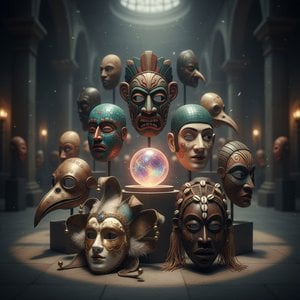
Embark on a profound journey through the world's most iconic mask artworks. Explore the spiritual depth, intricate craftsmanship, and rich cultural heritage of global traditions, from Chhau to Gomira, in this expert-led exploration of ancestral artistry and symbolic beauty.

Explore the profound artistry of black and white photography. From historical mastery to the interplay of light and shadow, discover how monochrome captures timeless emotion and form through a sophisticated lens of art history.


 미리보기
미리보기
 공유하기
공유하기 공유하기
공유하기
 상세 정보
상세 정보

 다운로드
다운로드
 유사 작품
유사 작품 X-레이
X-레이 슬라이드 쇼
 통계 정보
통계 정보

 더 보기
더 보기









 유리 옵션은 110cm 미만 크기에서만 선택 가능합니다.