
x


빠른 제작과 다양한 마감 옵션을 제공하는 박물관 품질의 지클레이 또는 캔버스 프린트. ( 손으로 그린 그림 구매 이미지 구매)





























작품의 원본 비율을 유지하는 미리 설정된 크기 중에서 선택하세요.

특정 프레임이나 공간에 맞춰 직접 치수를 입력하실 수 있습니다. 선택하신 사이즈가 원본 이미지의 비율과 일치하지 않을 경우, 작품을 크롭(자르기)하거나 이미지를 대칭 또는 단색 채우기로 확장하여 제작합니다. 제작 시작 전, 최종 확인을 위해 디지털 목업이 전송됩니다.
화면상의 미리보기는 실제 크롭이나 확장 상태를 반영하지 않으므로, 최종 구도는 오직 목업을 통해서만 정확하게 확인하실 수 있습니다.
맞춤 사이즈 제작도 가능하지만, 원본 비율을 유지하기 위해서는 사전 정의된 목록에서 치수를 선택하시는 것을 권장합니다.

Greed (sketch)
복제본 크기
James Ensor’s “Greed,” a sketch rendered in stark black and white, isn’t merely a depiction of material wealth; it’s a visceral plunge into the corrupting influence of avarice. Born in 1860 amidst the vibrant chaos of Ostend's seaside resort, Ensor developed an artistic sensibility profoundly shaped by his upbringing – a childhood saturated with the peculiar objects and theatrical atmosphere of his parents’ souvenir shop. This early exposure to masks, curiosities, and the fleeting spectacle of carnival would become recurring motifs in his unsettling yet captivating oeuvre, culminating in works like “Greed,” which serves as a potent visual metaphor for humanity's darkest desires.

Ensor’s style, particularly in this sketch, is immediately recognizable – a masterful blend of Symbolism, Expressionism, and touches of Surrealism. He eschews naturalistic representation, instead employing distorted figures, exaggerated gestures, and a deliberately jarring color palette (though here rendered in monochrome, the underlying tension remains). The composition itself is deliberately chaotic; three central figures are crammed into a claustrophobic space, surrounded by an array of objects – a chair, scattered items, and most prominently, birds. These avian symbols aren’t simply decorative; they represent the fleeting nature of wealth, the constant surveillance, and perhaps even the feeling of being trapped within one's own greed.
The figures themselves are deliberately ambiguous. Their faces are obscured, their postures suggest a desperate scramble for possession, and their eyes – though unseen – seem to radiate an unsettling intensity. The sketch’s immediacy—the visible charcoal strokes, the lack of refinement—underscores the raw emotion at play, conveying a sense of urgency and moral decay.
“Greed” isn't simply a personal portrait of excess; it functions as a pointed social commentary. Ensor was deeply critical of the materialism and superficiality he observed in Belgian society at the turn of the 20th century. His work often exposed hypocrisy, challenged conventional morality, and confronted viewers with uncomfortable truths about human nature. This sketch, created around 1904, reflects this ongoing engagement with societal ills – a stark reminder that unchecked desire can lead to ruin.
Further research reveals Ensor’s fascination with the “Seven Deadly Sins,” which he frequently explored in his art. "Greed" powerfully embodies this theme, aligning with the sin of avarice and highlighting its destructive consequences. The image resonates with a broader context within Ensor's artistic output, particularly his series depicting the other sins – envy, lust, wrath, gluttony, pride, and sloth—creating a disturbing yet compelling visual narrative.
WahooArt offers meticulously crafted hand-painted reproductions of James Ensor’s “Greed,” allowing you to bring this powerful image into your home or office. Our artists replicate the sketch's unique texture and emotional intensity with exceptional skill, ensuring a faithful representation of Ensor’s vision. Whether you are an art collector, interior designer seeking a statement piece, or simply someone drawn to Ensor’s unsettling beauty, our reproductions provide a stunning way to experience this iconic work of art. Explore the full range of sizes and framing options available on our website – each reproduction is created with archival quality materials for lasting preservation.

James Sidney Edouard, Baron Ensor (Ostend, 13 April 1860 – 19 November 1949) was a Belgian painter and printmaker who stands as one of the most influential figures in the development of Expressionism and Surrealism. Born into an English father and Belgian mother amidst the vibrant atmosphere of Ostend’s annual Carnival—a formative experience that profoundly shaped his artistic vision—Ensor embarked on a lifelong journey to explore the darker recesses of human psychology and challenge conventional aesthetic standards.
From a young age, Ensor demonstrated an innate talent for drawing and painting, nurtured by local instructors and fueled by an unwavering fascination with observation. His formative years were spent studying at the College of the Blessed Virgin in Ostend, where he honed his skills alongside fellow artists like Fernand Khnopff and Theo Van Rysselberghe—artists who would later become associated with the influential *Les XX* group.
Ensor’s artistic trajectory took a decisive turn in the late 1880s as he abandoned academic realism for a bold embrace of grotesque expressionism. Influenced by Rembrandt, Francisco Goya, and Japanese woodcuts—artists who championed emotional intensity and unsettling imagery—he began to populate his canvases with disturbing tableaux featuring skeletons battling over a hanged man, masks embodying hidden identities, and allegorical figures confronting existential anxieties.
Among Ensor’s most celebrated works are *The Scandalized Masks* (1883), which captures the pervasive influence of disguise and social critique; *Skeletons Fighting over a Hanged Man* (1891), a haunting meditation on mortality and decay; and *Christ's Entry into Brussels* (1888–89)—a monumental painting that satirizes religious hypocrisy with unflinching boldness. Recurring throughout Ensor’s oeuvre are explorations of death, social injustice, psychological torment, and the boundless potential for imaginative distortion—themes that continue to resonate powerfully with audiences today.
James Ensor's uncompromising artistic vision irrevocably altered the course of modern art. Rejecting academic conventions and embracing subjective experience, he paved the way for subsequent generations of artists who dared to confront uncomfortable truths and challenge established norms. His pioneering use of grotesque imagery—coupled with his masterful manipulation of color and line—established a distinctive stylistic vocabulary that profoundly impacted Expressionist painters like Edvard Munch and Ernst Ludwig Kirchner—artists who similarly sought to convey inner turmoil and psychological complexity.

1860 - 1949 , 벨기에

Explore the unsettling yet captivating world of James Ensor, a pioneer of Expressionism. Discover his satirical masterpieces, symbolic imagery & lasting influence on modern art. High-quality reproductions available at WahooArt.

제임스 애벗 맥닐 휘슬러의 최고 걸작 25선을 만나보세요. 야간 풍경부터 아랑미술관 소장품까지, 예술가의 삶과 작품 세계를 탐험합니다. 색채와 분위기가 완벽한 조화를 이루는 그림들을 WahooArt.com에서 감상하고 특별한 공간을 완성하세요.
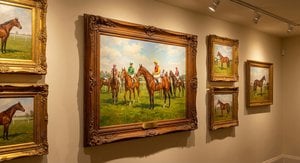
Explore 25 iconic Sir Alfred Munnings paintings! Discover the beauty of British Impressionism, equine art & rural England. Find museum-quality reproductions and elevate your home decor with WahooArt. Explore the full collection online.

Explore the profound artistic significance of sketches throughout history. From Renaissance masters to modern innovators like Van Gogh & Guston, discover how these foundational works reveal technique, emotion, and vision. Learn more at WahooArt.

Explore the profound history of Surrealist Expressionism. Discover how artists blended dream logic with raw emotion to navigate post-war trauma through masterful, evocative imagery and psychological depth.


최신 미술 뉴스, 특별 혜택 및 인테리어 아이디어를 가장 먼저 만나보세요.
프로젝트에 대해 알려주시면 저희 미술 전문가들이 맞춤형 아트 제안 3가지를 전달해 드립니다.
당신만을 위한 맞춤형 옵션 3가지를 무료로 추천해 드립니다!


 미리보기
미리보기
 공유하기
공유하기 공유하기
공유하기
 상세 정보
상세 정보

 다운로드
다운로드
 유사 작품
유사 작품 X-레이
X-레이 슬라이드 쇼

 더 보기
더 보기









 유리 옵션은 110cm 미만 크기에서만 선택 가능합니다.


