
원하는 크기와 액자로 주문 제작되는, 작가들이 직접 캔버스에 손으로 그린 유화 작품입니다. ( 프린트 판매로 전환 디지털 이미지로 전환)





























작품의 원본 비율을 유지하는 미리 설정된 크기 중에서 선택하세요.

특정 프레임이나 공간에 맞도록 직접 크기를 입력할 수 있습니다. 선택하신 크기가 원본 이미지의 비율과 일치하지 않는 경우, 작품을 자르거나 추가적인 손으로 그린 요소를 사용하여 그림을 확장합니다. 제작 시작 전 승인을 위해 디지털 목업을 보내드립니다.
화면 미리 보기는 실제 자르기 또는 확장을 반영하지 않습니다. 최종 구성은 목업을 통해서만 정확하게 확인하실 수 있습니다.
맞춤 크기 제작도 가능하지만, 원본 비율을 유지하기 위해 사전 정의된 목록에서 크기를 선택하시는 것을 권장합니다.

Comité Américain pour les Régions Dévastées de la France
복제본 크기
James Earle Fraser’s “Comité Américain pour les Régions Dévastées de la France” is more than a bronze medallion; it's a poignant artifact of a specific historical moment and a testament to the enduring spirit of human compassion. Created in 1919, amidst the immediate aftermath of World War I, this striking piece captures a pivotal chapter in transatlantic relations – the American response to the devastation inflicted upon France by years of brutal conflict. The medallion’s central figure, a stylized bird poised with outstretched wings, immediately evokes the imagery of a phoenix rising from the ashes, symbolizing rebirth and hope amidst profound loss. This isn't merely a depiction of a bird; Fraser masterfully imbues it with an air of dignified strength, suggesting resilience and the promise of recovery.
The intricate embossed details—the carefully rendered feathers, the subtle curve of the beak, the powerful stance—speak volumes about Fraser’s technical skill. The bronze itself, chosen for its durability and ability to capture fine detail, lends a weighty gravitas to the image. Beyond the purely aesthetic qualities, the medallion's design is deeply symbolic. The bird, often associated with divinity and renewal, represents the American commitment to aiding France in rebuilding its shattered nation. Surrounding the central figure are lines of French text – “COMITE AMERICAIN POUR LES REGIONS DEVASTEE DE LA FRANCE” – a clear declaration of purpose and affiliation, grounding the artwork within its specific historical context. The inclusion of the date "1919" serves as a vital marker, anchoring the piece to this crucial period of reconstruction and international aid.
James Earle Fraser’s artistic journey is inextricably linked to the spirit of the American West. Born in Winona, Minnesota, in 1876, his childhood was profoundly shaped by his family's connection to the frontier – his father an engineer involved in the westward expansion and his mother tracing her lineage back to the Pilgrims. This unique heritage instilled within him a deep appreciation for both the rugged beauty of the American landscape and the complex history of its people. Fraser’s early exposure to Native American culture, fostered through friendships with local children, profoundly influenced his artistic vision, informing his later works with a nuanced understanding of indigenous traditions.
Fraser's apprenticeship under Augustus Saint-Gaudens proved formative, solidifying his commitment to realism and shaping his distinctive style. However, it was Fraser’s own experiences – particularly his involvement in the American Committee for Devastated France – that truly cemented his place as a significant artist of the 20th century. This commission wasn't simply about creating a commemorative medal; it demanded an understanding of human suffering and a commitment to humanitarian action. His ability to translate these complex emotions into a single, powerful image is a testament to his artistic talent and his empathy for others.
The “Comité Américain pour les Régions Dévastées de la France” itself represents a remarkable chapter in transatlantic history. Established in 1919, the committee was formed by Anne Morgan and her friend Anne Murray Dike to provide aid and support to the French regions ravaged by World War I. The devastation was immense – entire towns were reduced to rubble, infrastructure lay in ruins, and countless lives had been lost. The American Committee’s efforts focused on providing essential supplies, rebuilding homes, and offering psychological support to the displaced population.
Fraser's medallion serves as a visual representation of this vital mission. It’s not just a symbol of American generosity; it’s a reminder of the immense challenges faced by France in its recovery process. The choice of a bird, a universal emblem of hope and renewal, underscores the committee’s belief that even from the depths of despair, a brighter future could be built. The medallion's creation coincided with a period of intense international cooperation as nations sought to rebuild Europe after the horrors of war – a testament to the enduring power of human connection and shared responsibility.
Today, reproductions of “Comité Américain pour les Régions Dévastées de la France” offer art enthusiasts and collectors a tangible link to this significant historical moment. WahooArt.com provides high-quality reproductions that faithfully capture the intricate details and powerful symbolism of Fraser’s original work. Whether displayed in a private collection or incorporated into an interior design scheme, this medallion serves as a poignant reminder of resilience, compassion, and the enduring spirit of international cooperation. Its historical significance, combined with Fraser's masterful artistry, makes it a truly exceptional piece for any discerning collector.

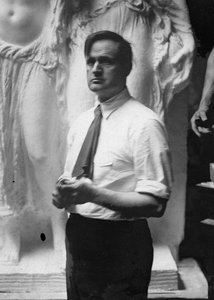
1876 - 1953 , 미국

Explore the profound beauty of American Regionalism. Delve into the art history of Grant Wood and John Steuart Curry, uncovering how these masters captured the soul of the American Heartland through iconic landscapes and rural identity.

Explore the profound beauty of American art history. From the Hudson River School to iconic landscapes, discover a curated journey through the masterpieces that defined a nation's spirit and the enduring legacy of American Romanticism.


 미리보기
미리보기
 공유하기
공유하기 공유하기
공유하기
 상세 정보
상세 정보 가이드 보기

 다운로드
다운로드
 유사 작품
유사 작품 X-레이
X-레이 슬라이드 쇼
 통계 정보
통계 정보


 더 보기
더 보기









 유리 옵션은 110cm 미만 크기에서만 선택 가능합니다.


