
온라인 미리보기보다 훨씬 뛰어난 품질의 고해상도 디지털 이미지를 구매해 보세요.
각 파일은 사내 전문가가 고급 도구와 숙련된 수동 리터칭 기술을 사용하여 세심하게 준비합니다. 우리는 모든 이미지가 탁월한 선명도, 정확한 색상 재현력, 그리고 미세한 디테일까지 완벽하게 갖추도록 보장합니다.
최종 파일은 전문적인 편집 및 인쇄 환경에서 즉시 사용할 수 있도록 최적화되어 72시간 이내에 이메일로 발송됩니다. 이는 세계적인 디자인 스튜디오, 출판사 및 갤러리가 신뢰하는 것과 동일한 품질입니다.
개인 소장 및 전시, 인쇄, 창작 프로젝트를 위한 고해상도 파일을 다운로드하세요. ( 프린트 판매로 전환 손으로 그린 그림 구매)
WahooArt.com를 선택하시면 단순히 이미지를 받는 것을 넘어, 정밀한 보정 과정을 거친 전문적인 디지털 예술 작품을 만나보실 수 있습니다. 모든 작품에는 만족 보장 서비스가 함께 제공되며, 주문 시 다음과 같은 사항들이 자동으로 포함됩니다:

주문 후 72시간 이내에 고해상도 디지털 이미지 파일이 이메일로 발송되며, 즉시 사용하실 수 있습니다.

귀하의 작품은 고급 AI 도구와 수동 편집 과정을 거쳐 전문적으로 최적화되며, 이를 통해 디테일과 선명도, 색상의 정확도를 극대화합니다.

파일을 실수로 삭제하거나 분실하셨나요? 걱정 마세요. 언제든 무료로 다시 보내드립니다.

관세나 부가세, 배송비 부담 없이 작품을 즉시 감상하세요 - 디지털 다운로드는 언제나 면세 혜택이 적용됩니다.

전문적인 도구와 색상 관리 시스템을 통해 디지털 이미지가 원본의 색상을 최대한 정확하게 구현하도록 보장합니다.

구매하신 디지털 이미지에 만족하지 못하실 경우, 100일 이내에 별도의 조건 없이 수정 또는 100% 환불을 진행해 드립니다.

만족스럽지 않으신가요? 디지털 파일을 받으신 후 100일 이내에 어떠한 조건 없이 전액 환불해 드립니다.

이미지 3매 구매 시 10% 할인 - 5매 구매 시 15% 할인 - 10매 이상 구매 시 20% 할인. 크리에이티브 프로젝트, 갤러리, 에이전시에 매우 유용합니다.
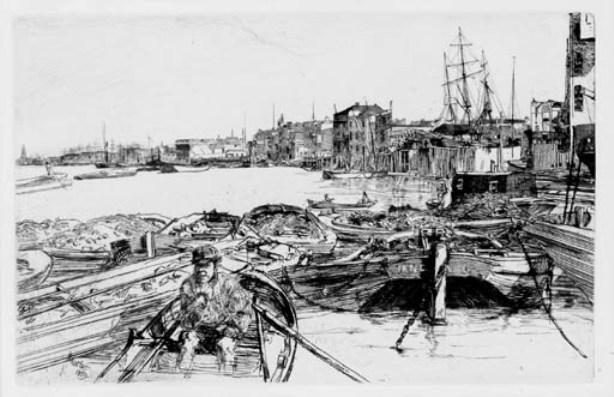
James Abbott McNeill Whistler's "The Pool," painted in 1859, isn’t merely a depiction of London’s bustling waterfront; it’s a carefully constructed meditation on light, atmosphere, and the quiet drama of everyday existence. This etching, rendered with exquisite precision and a masterful understanding of tonal variation, offers a poignant snapshot of a rapidly changing city – a world poised between tradition and modernity. Whistler, a key figure in the Aesthetic movement, deliberately rejected the prevailing Victorian obsession with narrative and moralizing, advocating instead for “art for art’s sake,” prioritizing beauty and sensory experience above all else. "The Pool" embodies this philosophy perfectly, inviting the viewer to lose themselves within its subtle harmonies and understated elegance.
The scene itself is deceptively simple: a solitary figure seated in a small boat, seemingly lost in contemplation amidst the chaotic activity of the Pool – the area around London Bridge where ships docked and goods were exchanged. Yet, Whistler elevates this commonplace subject to something profoundly evocative. He strips away extraneous detail, focusing instead on the interplay of light and shadow, the textures of water and brick, and the subtle gestures of his central figure. The composition is carefully balanced, drawing the eye towards the distant buildings while anchoring it in the foreground with the boatman’s presence.
Whistler's skill as an etcher is immediately apparent. He employs a meticulous technique of hatching and cross-hatching – parallel lines and intersecting patterns – to build up tones and create a remarkable sense of depth and texture. The work isn’t rendered with bold, dramatic contrasts; instead, Whistler utilizes a delicate gradated scale of grays, mimicking the subtle shifts in light that define the scene. This tonal control is crucial to the painting's atmospheric effect, creating an illusion of diffused light and hazy distance.
The choice of paper – heavy laid Japan tissue – further enhances the work’s quality. Its slightly textured surface provides a beautiful contrast to the smooth lines of the etching, adding another layer of visual interest. Whistler's use of drypoint, a technique that allows for greater tonal variation and subtle shading, is particularly noteworthy. This combination of techniques demonstrates his mastery of printmaking and his ability to capture the nuances of light and shadow with remarkable subtlety.
“The Pool” was created during a period of significant social and economic change in London. The city was undergoing rapid industrialization, transforming from a primarily mercantile center into a global financial powerhouse. Whistler's work reflects this transformation, capturing the dynamism of the waterfront while simultaneously suggesting a sense of melancholy and isolation. He wasn’t interested in documenting historical events or celebrating heroic deeds; instead, he sought to capture the essence of a particular moment in time – a fleeting glimpse of urban life.
Whistler's approach was revolutionary for his time. He challenged the conventions of academic art, rejecting the emphasis on narrative and moralizing that had dominated the artistic landscape for centuries. His Aestheticism sought to elevate visual experience above all else, prioritizing beauty, harmony, and sensory pleasure. “The Pool” exemplifies this philosophy perfectly, offering a quiet meditation on light, atmosphere, and the subtle rhythms of urban life.
While seemingly simple, "The Pool" is rich in symbolic meaning. The solitary figure in the boat represents not just an individual but also humanity’s place within the vastness of the city and the natural world. His posture – chin resting on his hand – suggests contemplation, perhaps even a sense of detachment or melancholy. The surrounding activity—the bustling harbor filled with boats and buildings—creates a powerful contrast, highlighting the figure's isolation.
Furthermore, the muted color palette contributes to the painting’s emotional impact. The absence of bright colors reinforces the feeling of quiet contemplation and suggests a deeper, more subtle beauty. Whistler wasn’t interested in creating a visually stimulating spectacle; instead, he sought to evoke a mood – a sense of understated elegance, melancholy, and perhaps even a hint of longing. "The Pool” is not just a depiction of a scene; it's an invitation to contemplate the human condition within the context of a rapidly changing world.


1834 - 1903 , 미국

 미리보기
미리보기
 공유하기
공유하기 공유하기
공유하기
 상세 정보
상세 정보 Guide
Guide

 다운로드
다운로드
 유사 작품
유사 작품 X-레이
X-레이 슬라이드 쇼
 통계 정보
통계 정보

 더 보기
더 보기


