
빠른 제작과 다양한 마감 옵션을 제공하는 박물관 품질의 지클레이 또는 캔버스 프린트. ( 손으로 그린 그림 구매 디지털 이미지로 전환)





























작품의 원본 비율을 유지하는 미리 설정된 크기 중에서 선택하세요.

특정 프레임이나 공간에 맞춰 직접 치수를 입력하실 수 있습니다. 선택하신 사이즈가 원본 이미지의 비율과 일치하지 않을 경우, 작품을 크롭(자르기)하거나 이미지를 대칭 또는 단색 채우기로 확장하여 제작합니다. 제작 시작 전, 최종 확인을 위해 디지털 목업이 전송됩니다.
화면상의 미리보기는 실제 크롭이나 확장 상태를 반영하지 않으므로, 최종 구도는 오직 목업을 통해서만 정확하게 확인하실 수 있습니다.
맞춤 사이즈 제작도 가능하지만, 원본 비율을 유지하기 위해서는 사전 정의된 목록에서 치수를 선택하시는 것을 권장합니다.

LOUP DEVORANT UNE BREBIS
복제본 크기
To stand before Jacques Raymond Brascassat’s Loup Devorant une Brebis (The Wolf Devouring a Sheep) is to be plunged instantly into the raw, untamed heart of Romanticism. This painting is far more than a mere depiction of pastoral life; it is a visceral confrontation with nature's inherent brutality and the fragility of innocence. Brascassat, celebrated as a pioneer in animal painting, possessed an almost unparalleled gift for rendering creatures not just anatomically, but psychologically. Here, the composition explodes with kinetic energy. The viewer’s eye is immediately drawn into the central vortex of action—the wolf's menacing form poised against the scattering flock. It captures that fleeting, terrifying moment where order dissolves into primal instinct.
Technically, the work is a breathtaking display of 19th-century oil painting prowess on canvas. Brascassat employs a palette dominated by rich, earthy tones—deep greens, ochres, and shadowed browns that ground the scene in believable wilderness. Yet, this grounded realism is elevated by dramatic contrasts. Observe how the sunlight struggles to penetrate the dense foreground foliage; these filtered highlights of yellow and white lend an almost ethereal quality to the otherwise brutal subject matter. The artist’s brushwork itself speaks volumes: it appears loose and expressive when capturing the agitated movement of the fleeing sheep, contrasting sharply with the more defined textures found in the rough bark of the fallen log or the musculature of the predator. This interplay between detailed rendering and sweeping gesture gives the piece its profound sense of depth and immediacy.
Beyond the technical brilliance lies a deep layer of symbolism that has captivated art lovers for generations. The wolf, universally recognized as the embodiment of wild danger or unchecked appetite, confronts the sheep, the quintessential symbol of vulnerability, purity, and gentle life. This dynamic tension—the predator versus the prey—is not merely narrative; it is an allegory. It speaks to the perennial human struggle between civilization and savagery, between safety and peril. For the collector or decorator, this piece offers a potent focal point for any room, inviting contemplation on themes of guardianship, risk, and survival.
For those seeking art that possesses both historical weight and undeniable emotional resonance, Loup Devorant une Brebis remains profoundly compelling. Its dramatic scope makes it a magnificent statement piece, capable of anchoring an entryway or serving as the centerpiece in a grand salon. While its subject matter is intense, the overall effect—the masterful control over light, shadow, and movement—lends it a sophisticated drama that complements both traditional and modern interiors. Owning a reproduction allows one to bring this captured moment of sublime natural conflict into your home, transforming a simple wall space into a gallery of raw, untamed emotion.


1804 - 1867

Master the nuances of Giclée printing with our expert guide. Discover how pigment-based inks and museum-grade substrates create fade-resistant, high-fidelity art reproductions designed for discerning collectors seeking unparalleled quality and longevity.
Unlock your creative potential with WahooArt. Learn how to scale your art business through our automated print and premium oil reproduction services, transforming your original works into a global, passive income stream without compromising academic excellence.

Discover the distinction between WahooArt's hand-painted oil masterpieces and archival Giclée prints. An expert guide for elite collectors evaluating texture, longevity, and bespoke customization for their private art collections.
Transform your photos into high-octane action anime masterpieces with WahooArt. Our expert artists blend AI innovation with traditional oil painting to create premium, hand-painted pop culture legacies for your home. Experience museum-quality craftsmanship and a 100% satisfaction guarantee.
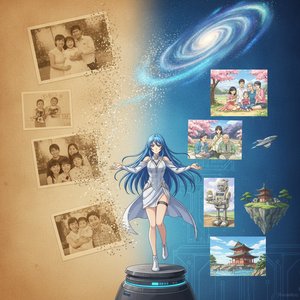
Step into the spotlight with WahooArt's AI-driven transformation. Turn your photos into stunning, hand-painted anime oil masterpieces. Experience the perfect fusion of cutting-edge technology and museum-grade craftsmanship to create a timeless pop-culture legacy for your home.


 미리보기
미리보기
 공유하기
공유하기 공유하기
공유하기
 상세 정보
상세 정보

 다운로드
다운로드
 유사 작품
유사 작품 X-레이
X-레이 슬라이드 쇼
 통계 정보
통계 정보


 더 보기
더 보기









 유리 옵션은 110cm 미만 크기에서만 선택 가능합니다.


