
원하는 크기와 액자로 주문 제작되는, 작가들이 직접 캔버스에 손으로 그린 유화 작품입니다. ( 프린트 판매로 전환 디지털 이미지로 전환)





























작품의 원본 비율을 유지하는 미리 설정된 크기 중에서 선택하세요.

특정 프레임이나 공간에 맞도록 직접 크기를 입력할 수 있습니다. 선택하신 크기가 원본 이미지의 비율과 일치하지 않는 경우, 작품을 자르거나 추가적인 손으로 그린 요소를 사용하여 그림을 확장합니다. 제작 시작 전 승인을 위해 디지털 목업을 보내드립니다.
화면 미리 보기는 실제 자르기 또는 확장을 반영하지 않습니다. 최종 구성은 목업을 통해서만 정확하게 확인하실 수 있습니다.
맞춤 크기 제작도 가능하지만, 원본 비율을 유지하기 위해 사전 정의된 목록에서 크기를 선택하시는 것을 권장합니다.

Cérès protégeant Triptolème contre le roi Lyncus
복제본 크기
This captivating oil painting depicts a dramatic scene drawn directly from Greek mythology. It portrays Cérès (Roman goddess Ceres), the powerful deity of agriculture, fertility, and motherhood, fiercely protecting Triptolème, an Athenian king credited with introducing agriculture to mankind. The narrative centers on a perilous encounter where Cérès intervenes against King Lyncus, who, in a fit of rage or madness, attempted to kill Triptolème. A serpentine figure adds another layer of threat and divine intervention to the scene.
The artwork is firmly rooted within the Baroque style, characterized by its dynamic composition, intense emotion, and dramatic use of light and shadow (chiaroscuro). Dumont masterfully employs a diagonal thrust in the arrangement of figures, creating a sense of urgency and movement. The muscular depiction of Cérès, actively defending Triptolème who lies upon an ornate bed, conveys strength and courage. The presence of Triptolème, standing protectively nearby with what appears to be a staff or scepter, reinforces the theme of guardianship. Noticeable brushstrokes and layering of paint contribute to the texture and depth of the scene. The artist’s skillful use of warm tones – reds, browns, and golds – contrasted with cooler blues and greens in the drapery creates visual richness and enhances the dramatic impact.
Beyond its narrative depiction, the painting is rich in symbolic meaning. Cérès embodies divine power and maternal protection, while Triptolème represents the gift of agriculture to humanity. The serpent symbolizes danger, evil, or a test of faith, highlighting the perilous situation faced by Triptolème. The overall emotional tone is one of intense drama and urgency, evoking feelings of fear, courage, and ultimately, divine intervention. The muscular figure's heroic stance and protective gesture powerfully convey strength and determination in the face of adversity.
Jacques Dumont dit "le Romain" (1704-1781) was a French history and portrait painter who enjoyed considerable celebrity during his lifetime. He trained initially in Paris, later studying in Rome – hence the moniker “le Romain.” He became a respected member of the Académie royale de peinture et de sculpture. While perhaps less known today than some of his contemporaries, Dumont’s work reflects the artistic tastes and values of the 18th century, particularly the continued popularity of mythological subjects and the emphasis on dramatic storytelling through painting. This piece exemplifies his ability to capture dynamic scenes with a keen eye for detail and a mastery of Baroque techniques.


1701 - 1781 , France
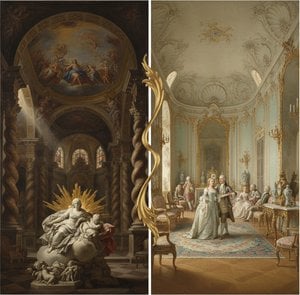
Explore the captivating evolution from Baroque's drama to Rococo's grace! Discover key artists, characteristics & lasting influence of these art movements with expert insights at WahooArt.
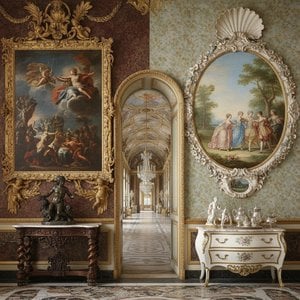
Embark on a cultural journey through the dramatic grandeur of Baroque and the delicate grace of Rococo art. Discover the history, techniques, and timeless beauty of these magnificent eras with our expert-led exploration of European masterpieces.

Explore the opulent world of Rococo art! Discover its origins, key artists like Watteau & Boucher, and lasting influence on design. Expert insights for collectors & enthusiasts.

Explore the profound differences between Baroque drama and Rococo elegance. Our expert guide delves into art history, chiaroscuro, and the evolution of European masterpieces for collectors and enthusiasts seeking deep historical context.

Explore the dramatic evolution from Baroque's intense chiaroscuro to Rococo's golden elegance. Our expert guide decodes the shift from high-drama shadows to playful, ornate grace for art enthusiasts and collectors seeking deep historical insight.


 미리보기
미리보기
 공유하기
공유하기 공유하기
공유하기
 상세 정보
상세 정보

 다운로드
다운로드
 유사 작품
유사 작품 X-레이
X-레이 슬라이드 쇼
 통계 정보
통계 정보

 더 보기
더 보기









 유리 옵션은 110cm 미만 크기에서만 선택 가능합니다.


