
원하는 크기와 액자로 주문 제작되는, 작가들이 직접 캔버스에 손으로 그린 유화 작품입니다. ( 프린트 판매로 전환 디지털 이미지로 전환)





























작품의 원본 비율을 유지하는 미리 설정된 크기 중에서 선택하세요.

특정 프레임이나 공간에 맞도록 직접 크기를 입력할 수 있습니다. 선택하신 크기가 원본 이미지의 비율과 일치하지 않는 경우, 작품을 자르거나 추가적인 손으로 그린 요소를 사용하여 그림을 확장합니다. 제작 시작 전 승인을 위해 디지털 목업을 보내드립니다.
화면 미리 보기는 실제 자르기 또는 확장을 반영하지 않습니다. 최종 구성은 목업을 통해서만 정확하게 확인하실 수 있습니다.
맞춤 크기 제작도 가능하지만, 원본 비율을 유지하기 위해 사전 정의된 목록에서 크기를 선택하시는 것을 권장합니다.

Descent from the Cross
복제본 크기
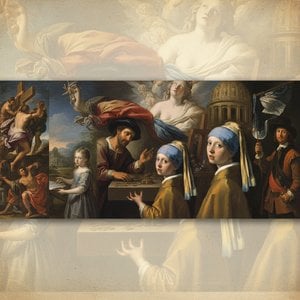
In the hallowed halls of the Scuola Grande di San Luca alla Madonna in Venice, there exists a moment frozen in time, a breathtaking intersection of human agony and divine grace. Jacopo Tintoretto’s “Descent from the Cross,” completed around 1594, is not merely a painting; it is a visceral theatrical event captured on canvas. As the viewer approaches this monumental work, they are not just observing a biblical scene but are pulled into a swirling vortex of grief and spiritual intensity. The composition defies the static stability of the High Renaissance, opting instead for a dynamic, almost dizzying movement that mirrors the psychological upheaval of the figures present. Christ’s body, heavy with the weight of mortality, descends through a cascade of light and shadow, creating a profound sense of gravity that pulls at the very soul of the observer.
The brilliance of Tintoretto lies in his revolutionary use of chiaroscuro—the dramatic interplay between piercing light and impenetrable darkness. This technique serves as the emotional heartbeat of the piece. A celestial, ethereal radiance emanates from the crucifix itself, acting as a divine spotlight that illuminates the pale, wounded flesh of Christ and the tear-streaked faces of his mourners. In stark contrast, deep, velvety shadows swallow the periphery, pushing the figures toward the foreground and creating an illusionistic depth that makes the scene feel as though it is spilling out into the viewer's space. This mastery of light does more than define form; it directs the eye in a rhythmic dance from the luminous center to the shadowed edges, where the despair of Nicodemus and Mary Magdalene resides.
To behold this work is to witness the birth of Baroque energy within a Venetian framework. Tintoretto, often called "the little dyer" due to his family's background, utilized his unique understanding of pigment and layering to achieve an unprecedented luminosity. His brushwork avoids the polished, porcelain finish of his contemporaries, favoring instead a more fluid, rapid execution that suggests the urgency of the moment. This "illusionistic" approach creates a sense of three-dimensional reality, where the limbs of the figures seem to occupy a tangible, breathable atmosphere. For the collector or interior designer, this painting offers a profound focal point—a piece that commands attention through its sheer kinetic power and its ability to transform a room into a space of contemplation.
Beyond the technical prowess, the symbolism within the "Descent" speaks to the universal themes of sacrifice and redemption. The downward trajectory of Christ’s body symbolizes the descent of the divine into the human condition, while the frantic, upward-reaching gestures of the surrounding figures represent humanity's desperate grasp for salvation. Every element, from the starkness of the cross to the heavy drapery of the mourners' garments, is designed to evoke empathy. It is a work that transcends its historical Venetian context, offering an eternal meditation on the beauty found within suffering. Owning a high-quality reproduction of this masterpiece allows one to bring this profound emotional resonance and historical grandeur into a modern setting, serving as both a sophisticated decorative element and a window into the sublime.


1518 - 1594 , 이탈리아

틴토레토의 드라마틱한 빛과 색채가 살아 숨쉬는 걸작 25선을 만나보세요. 베네치아 회화 거장의 명작 속 역사, 기법, 그리고 영감을 느껴보세요. WahooArt에서 고품질 유화와 아트 프린트를 감상하고 특별한 인테리어를 완성하세요. 지금 바로 컬렉션을 탐험하세요!

Explore the dramatic world of Baroque art! Discover iconic artists like Caravaggio & Rubens, defining techniques, and its lasting impact on art history. Expert insights for collectors & enthusiasts at WahooArt.
화려함과 극적인 표현이 압권! 바로크 미술을 대표하는 10대 걸작의 숨겨진 이야기를 만나보세요. 베르니니, 루벤스 등 거장의 작품부터 바로크 색감, 예술적 기법까지 – WahooArt.com에서 명품 복제 & 인테리어 영감을 얻으세요! 지금 바로 컬렉션을 탐험해보세요.

바로크 예술의 풍요로운 세계를 탐험하고, 현대 인테리어에 감동을 불어넣는 방법을 WahooArt에서 만나보세요. 카라바조, 렘브란트 등 거장들의 작품과 키아로스쿠로 기법 활용 노하우를 공개합니다.

Explore the luminous mastery of the Venetian Renaissance. Discover how masters like Titian and Giorgione revolutionized art through colorito, light, and atmosphere. An expert guide to the golden age of Italian painting for collectors and enthusiasts.


 미리보기
미리보기
 공유하기
공유하기 공유하기
공유하기
 상세 정보
상세 정보 Guide
Guide

 다운로드
다운로드
 유사 작품
유사 작품 X-레이
X-레이 슬라이드 쇼
 통계 정보
통계 정보

 더 보기
더 보기









 유리 옵션은 110cm 미만 크기에서만 선택 가능합니다.


