
 Oil On PanelWallArtMannerist
 1537
1537 47.0 x 31.0 cm
 피티 궁전
피티 궁전원하는 크기와 액자로 주문 제작되는, 작가들이 직접 캔버스에 손으로 그린 유화 작품입니다. ( 프린트 판매로 전환 디지털 이미지로 전환)





























작품의 원본 비율을 유지하는 미리 설정된 크기 중에서 선택하세요.

특정 프레임이나 공간에 맞도록 직접 크기를 입력할 수 있습니다. 선택하신 크기가 원본 이미지의 비율과 일치하지 않는 경우, 작품을 자르거나 추가적인 손으로 그린 요소를 사용하여 그림을 확장합니다. 제작 시작 전 승인을 위해 디지털 목업을 보내드립니다.
화면 미리 보기는 실제 자르기 또는 확장을 반영하지 않습니다. 최종 구성은 목업을 통해서만 정확하게 확인하실 수 있습니다.
맞춤 크기 제작도 가능하지만, 원본 비율을 유지하기 위해 사전 정의된 목록에서 크기를 선택하시는 것을 권장합니다.

Cosimo I de' Medici
복제본 크기
Jacopo Carucci, universally known as Pontormo, gifted Florence with an extraordinary series of portraits during the tumultuous years of the late 16th century. Among these, his depiction of Cosimo I de' Medici stands as a particularly compelling testament to both the artist’s innovative spirit and the grandeur of the Florentine Grand Duchy. Completed around 1537, this tempera on panel painting transcends mere likeness; it’s a carefully constructed tableau of power, authority, and an underlying sense of contemplative dignity – a window into the soul of one of Renaissance Italy's most influential figures.
The subject himself, Cosimo I, was a man of immense ambition and shrewd political acumen. Ascending to the ducal throne in 1537 after a period of instability, he transformed Florence from a fragile republic into a formidable state, expanding its territories through strategic alliances and military campaigns. Pontormo’s portrait doesn't simply record Cosimo’s physical appearance; it embodies his role as a ruler, projecting an image of strength and control while hinting at the complexities beneath the surface. The painting immediately draws the eye to Cosimo’s imposing figure, clad in rich attire that speaks volumes about his wealth and status.
Pontormo was a pivotal figure in the transition from the High Renaissance to the Baroque era. His style, often categorized as Mannerist, is characterized by its deliberate departure from classical ideals of harmony and proportion. He favored elongated figures, dramatic poses, and vibrant, emotionally charged colors – elements that create a sense of dynamism and psychological intensity rarely seen in earlier Florentine art. Notice how Cosimo’s form subtly curves and flows, defying rigid anatomical constraints, reflecting the artist's desire to express inner emotion rather than simply replicate external reality.
The painting’s color palette is equally striking. A rich tapestry of deep reds, blues, and golds dominates the composition, creating a luxurious atmosphere that underscores Cosimo’s wealth and power. Pontormo masterfully employs *sfumato*, a technique borrowed from Leonardo da Vinci, to soften edges and create an atmospheric haze, lending the scene a sense of depth and mystery. The background, rendered in a muted monochrome scheme, serves to heighten the impact of Cosimo's figure, drawing all attention to his commanding presence.
Beyond its aesthetic qualities, the portrait is laden with symbolic meaning. Cosimo’s pose—standing slightly turned away from the viewer, gazing downward—suggests a contemplative nature, hinting at the weighty responsibilities of leadership. The armor he wears isn't merely decorative; it represents his military prowess and his commitment to defending Florence’s interests. The inclusion of a small, almost imperceptible emblem – likely a Medici family crest – subtly reinforces his authority and lineage.
Furthermore, the painting was created during a period of significant political upheaval in Italy. The rise of Cosimo I coincided with the decline of the Papal States and the growing influence of foreign powers, particularly Spain. Pontormo’s portrait can be interpreted as an assertion of Florentine independence and a celebration of the Medici family's enduring legacy. It is a visual declaration of power in a time of uncertainty.
Despite its historical context, Cosimo I de’ Medici remains a profoundly moving portrait. Pontormo’s skill lies not only in his technical mastery but also in his ability to capture the essence of his subject—his strength, his ambition, and perhaps even a hint of melancholy. The painting invites us to contemplate the complexities of leadership, the burdens of power, and the enduring legacy of one of Florence's most remarkable rulers. Reproductions of this work continue to captivate viewers today, offering a glimpse into a pivotal moment in Italian history and the artistic genius of Jacopo Carucci, known as Pontormo.


1494 - 1557 , 이탈리아

Explore the captivating world of Pieter de Hooch, a master of Dutch Golden Age painting. Discover his innovative use of light, intimate domestic scenes, and lasting influence on art history. Learn more at WahooArt.

고야의 걸작 25선을 만나보세요. 스페인 화가 Francisco Goya의 낭만주의 회화, 어두운 색조와 강렬한 감성이 담긴 명화를 WahooArt에서 감상하세요. 고품질 유화 복제본으로 예술 작품을 소장하고 홈 데코를 완성해보세요! 지금 바로 컬렉션을 탐험하세요.

Explore the captivating world of Jacopo Pontormo, a pivotal Italian Mannerist painter. Discover his unique style, influences & masterpieces – and find museum-quality reproductions at WahooArt.
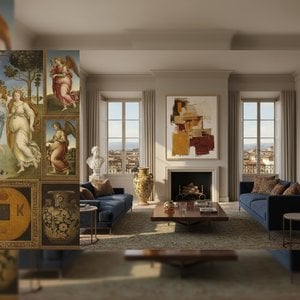
피렌체 우피치 미술관 최고 걸작 25선을 만나보세요. 빈치, 보티첼리, 미켈란젤로 등 거장들의 숨겨진 이야기와 르네상스 회화의 아름다움을 탐험합니다. WahooArt.com에서 명화 복제본과 예술 작품 인테리어 아이디어를 찾아보세요.

Discover our story! We bring world-class art into your life through expert curation, personalized creations, and free previews. Trusted by individuals and businesses since 2000.


 미리보기
미리보기
 공유하기
공유하기 공유하기
공유하기
 상세 정보
상세 정보

 다운로드
다운로드
 유사 작품
유사 작품 X-레이
X-레이 슬라이드 쇼
 통계 정보
통계 정보 더 보기
더 보기









 유리 옵션은 110cm 미만 크기에서만 선택 가능합니다.


