
 캔버스에 아크릴 물감월아트Dutch Golden Age
 77.0 x 64.0 cm
 피츠윌리엄 칼리지
빠른 제작과 다양한 마감 옵션을 제공하는 박물관 품질의 지클레이 또는 캔버스 프린트. ( 손으로 그린 그림 구매 디지털 이미지로 전환)





























작품의 원본 비율을 유지하는 미리 설정된 크기 중에서 선택하세요.

특정 프레임이나 공간에 맞춰 직접 치수를 입력하실 수 있습니다. 선택하신 사이즈가 원본 이미지의 비율과 일치하지 않을 경우, 작품을 크롭(자르기)하거나 이미지를 대칭 또는 단색 채우기로 확장하여 제작합니다. 제작 시작 전, 최종 확인을 위해 디지털 목업이 전송됩니다.
화면상의 미리보기는 실제 크롭이나 확장 상태를 반영하지 않으므로, 최종 구도는 오직 목업을 통해서만 정확하게 확인하실 수 있습니다.
맞춤 사이즈 제작도 가능하지만, 원본 비율을 유지하기 위해서는 사전 정의된 목록에서 치수를 선택하시는 것을 권장합니다.

겨울의 꽃
복제본 크기
Jacob van Huysum (1687–1740)는 네덜란드 황금 시대 미술가로 특히 뛰어난 식물화가이며 과학적 그림 언어 형성에 중요한 역할을 했습니다. 그는 약 1688년 암스테르담에서 태어나 Justus van Huysum의 아들로, Jan van Huysum의 형과 함께 꽃 그림 분야에서 명성을 얻은 가족 전통에 뿌리를 두고 있었습니다. 이 영향력은 단순한 모방을 넘어 그의 형의 기법을 능숙하게 흡수하여 놀라운 디테일과 꽃잎과 잎의 일시적인 아름다움을 포착하는 기량을 갖춘 독특한 스타일을 형성했습니다.
초기 생애와 교육에 대한 정보는 부족하지만 그는 아버지 Justus van Huysum으로부터 미술 교육을 받았습니다. Justus는 그에게 그림뿐만 아니라 꽃 그림 기술도 가르쳤으며 이는 네덜란드 미술 역사의 흐름에 지대한 영향을 미쳤습니다. 특히 그의 형 Jan은 뛰어난 식물화가였고, 이들의 협력은 과학적 정확성과 예술적인 아름다움을 동시에 추구하는 새로운 경향을 형성했습니다.
작품 스타일과 기법은 네덜란드 황금 시대의 다른 화가들과 비교했을 때 독특합니다. Huysum은 식물화에 대한 깊은 이해와 정교한 관찰력을 바탕으로 작품에 생동감을 불어넣었습니다. 그는 꽃잎과 잎의 질감과 색깔을 섬세하게 표현하여 마치 실제 꽃처럼 보이도록 노력했습니다. 또한 그는 빛과 그림자를 사용하여 꽃들의 형태를 입체적으로 나타내고 자연스러운 분위기를 연출하는 데 탁월한 재능을 보였습니다.
Huysum의 작품은 특히 과학적 정확성을 추구하는 학자들에게 높은 평가를 받았습니다. 그는 식물학자들이 자신의 연구에 활용할 수 있는 고품질의 그림들을 제작하여 자연과학 분야 발전에 기여했습니다. 그의 그림들은 단순히 아름다운 것을 표현하는 것뿐만 아니라 식물의 구조와 특징을 정확하게 기록하는 데 중요한 역할을 했습니다.
“겨울 꽃병”은 Huysum의 작품 세계를 대표하는 작품입니다. 이 그림은 겨울 풍경 속에서 화려한 꽃병에 담긴 다양한 꽃들을 통해 자연의 아름다움을 감상할 수 있도록 해줍니다. 특히 그의 정교한 기법과 섬세한 색감 표현은 관람객에게 깊은 감동과 영감을 선사합니다. 이 작품은 단순한 식물화가 아니라 자연의 순수하고 아름다운 모습을 담은 예술 작품입니다.
이 작품은 네덜란드 황금 시대의 식물화가로서 Jacob van Huysum의 뛰어난 예술적 재능과 과학적 지식을 보여주는 대표적인 예입니다. 겨울 풍경 속에서 피어나는 꽃들의 아름다움을 감상하며 자연의 순수함을 느낄 수 있는 특별한 작품입니다.

In the grand tapestry of the Dutch Golden Age, few threads shine with as much delicate brilliance as the botanical works of Jacob van Huysim. A master of the ephemeral, he possessed an uncanny ability to freeze the fleeting vitality of a blossom within the permanence of oil on canvas. Born around 1688 in Amsterdam, Jacob was not merely an artist but a scion of a profound artistic dynasty. He descended from a lineage deeply rooted in the Leiden tradition, receiving his formative training under the watchful eye of his father, Justus van Huysum. This early immersion in the meticulous study of nature provided him with more than just technical skill; it instilled a scientific reverence for the natural world that would define his entire professional trajectory.
While his brother, Jan van Huysum, would also achieve immense fame, Jacob carved out a distinctive niche by blending the decorative elegance of still life with the rigorous precision of scientific illustration. His development was marked by an extraordinary command over texture and light, allowing him to render the velvety petal of a rose or the translucent dewdrop on a leaf with startling realism. This mastery was not confined to the borders of the Netherlands. Around 1721, Jacob’s journey took him to London, where his talent caught the attention of the British elite. Under the patronage of influential figures such as Sir Robert Walpole and Mr. Lockyear, he contributed to the opulent decorative schemes of legendary estates like Houghton Hall, bringing a touch of Dutch botanical splendor to the heart of English aristocracy.
Beyond the singular beauty of his standalone canvases, Jacob van Huysum’s most enduring historical significance lies in his role as a bridge between art and science. He was a pivotal figure in shaping the visual language used to document the natural world during an era of global exploration. This is most vibrantly realized in his monumental collaboration with John Martyn on the Historia Plantarum Rariorum. This ambitious undertaking, supported by the artistry of Elisha Kirkall, produced fifty meticulously engraved plates that captured exotic flora from distant lands, including the Cape of Good Hope, North America, and Mexico.
Through this work, Jacob’s art transcended mere decoration to become a vital tool for botanical discovery. His ability to translate the complex structures of rare plants into accessible, breathtaking imagery helped fuel the scientific curiosity of the 18th century. The following elements characterize his most celebrated contributions:
The works of Jacob van Huysum, such as his evocative Twelve Months of Flowers series, continue to captivate audiences with their rhythmic composition and vibrant palettes. Whether depicting the crisp chill of a January frost or the sun-drenched abundance of May, his paintings evoke a sense of seasonal continuity and the inexorable cycle of life. His technique—characterized by fine brushwork and an almost microscopic attention to detail—ensured that each piece functioned as both a feast for the eyes and a record of biological wonder.
Though he passed away in 1740, leaving behind a legacy intertwined with his father and brother, Jacob van Huysum remains a singular figure. He did not merely paint flowers; he celebrated the very essence of life itself. His ability to marry the aesthetic demands of the Baroque period with the burgeoning empirical spirit of the Enlightenment ensures that his work remains a cornerstone of botanical art history, inviting every viewer to pause and admire the intricate, fleeting miracles of the natural world.

1687 - 1740

Embark on a cultural journey through the Dutch Golden Age. Explore the masterful interplay of light and shadow in 17th-century masterpieces, from Rembrandt to Vermeer, and discover how this era of profound realism continues to inspire fine art collectors today.
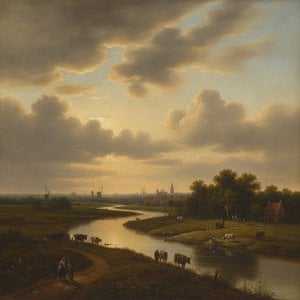
Discover the breathtaking beauty of Dutch Golden Age landscapes. Explore the mastery of light, chiaroscuro, and 17th-century realism through an expert art history lens, celebrating the enduring legacy of the Dutch Masters for discerning collectors and art lovers.

Explore the dramatic mastery of the Dutch Baroque era. Discover how masters like Rembrandt used chiaroscuro to transform everyday life into timeless art. An expert guide for collectors and enthusiasts seeking to understand the profound interplay of light and shadow.

렘브란트 반 레인 명작 25선을 만나보세요. 빛과 그림자의 거장이 그린 역사화, 초상화 속 예술의 정수를 감상하고, 네덜란드 황금시대 바로크 미술의 깊이를 느껴보세요. WahooArt.com에서 고품질 복제화를 컬렉션하세요.

렘브란트, 베르메르의 걸작부터 할스의 인물화까지! 네덜란드 황금시대 미술의 10대 명품을 만나보세요. 예술적 깊이와 아름다움을 담은 작품들을 WahooArt에서 감상하고, 고품질 아트 프린트로 당신의 공간에 특별함을 더하세요. 지금 바로 WahooArt.com에서 모든 걸작을 발견하세요!


 미리보기
미리보기
 공유하기
공유하기 공유하기
공유하기
 상세 정보
상세 정보

 다운로드
다운로드
 유사 작품
유사 작품 X-레이
X-레이 슬라이드 쇼
 통계 정보
통계 정보 더 보기
더 보기









 유리 옵션은 110cm 미만 크기에서만 선택 가능합니다.


