x































작품의 원본 비율을 유지하는 미리 설정된 크기 중에서 선택하세요.

특정 프레임이나 공간에 맞도록 직접 크기를 입력할 수 있습니다. 선택하신 크기가 원본 이미지의 비율과 일치하지 않는 경우, 작품을 자르거나 추가적인 손으로 그린 요소를 사용하여 그림을 확장합니다. 제작 시작 전 승인을 위해 디지털 목업을 보내드립니다.
화면 미리 보기는 실제 자르기 또는 확장을 반영하지 않습니다. 최종 구성은 목업을 통해서만 정확하게 확인하실 수 있습니다.
맞춤 크기 제작도 가능하지만, 원본 비율을 유지하기 위해 사전 정의된 목록에서 크기를 선택하시는 것을 권장합니다.

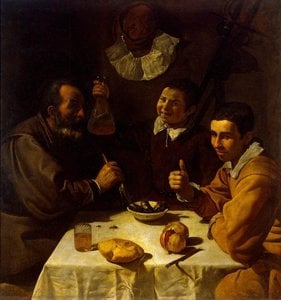
Breakfast with Oysters
복제본 크기
In the quiet, evocative depths of Jacob Foppens van Es’s Breakfast with Oysters, we are invited into a moment of profound sensory indulgence. Painted around 1645, this masterpiece serves as a window into the opulent breakfast traditions of the Flemish Baroque era. The composition is not merely a depiction of food, but a carefully choreographed dance of textures and light. Scattered across the table, the iridescent shells of oysters catch the soft, ambient glow, their rugged surfaces contrasting beautifully with the smooth, translucent clarity of a wine glass nestled in the center. A solitary bottle stands sentinel among the remnants of the meal, suggesting a narrative of leisure that has been unfolding long before the viewer arrived and will continue long after we turn away.
The technique employed by Van Es is nothing short of miraculous, showcasing the meticulous precision that defined his contribution to the first generation of Flemish still-life painting. Every element—from the damp sheen on a discarded shell to the liquid amber captured within the glass—is rendered with an almost hyper-realistic devotion. As a master of the genre, Van Es utilized subtle gradations of light and shadow to create a sense of three-dimensional volume, pulling the viewer’s eye through the arrangement. This mastery of chiaroscuro lends the scene a tactile quality; one can almost feel the cool, briny texture of the oysters and the weight of the glassware, making the painting an immersive experience that transcends the flat surface of the canvas.
Beyond its aesthetic splendor, Breakfast with Oysters carries the intellectual weight characteristic of the Dutch and Flemish Baroque period. In the seventeenth century, still lifes were rarely just about the objects themselves; they were laden with symbolism regarding wealth, mortality, and the fleeting nature of pleasure. The oyster, often associated with luxury and fertility, sits alongside the wine as a testament to the prosperity of the merchant classes from which Van Es emerged. Yet, there is an underlying vanitas quality present in the scattered shells—a gentle reminder that even the most decadent feasts are ephemeral. This tension between the celebration of abundance and the quiet contemplation of transience provides the painting with its profound emotional resonance.
For the discerning collector or interior designer, this work offers more than just a historical artifact; it provides a focal point of sophisticated elegance. The muted, earthy palette and the intimate scale of 34 x 45 cm make it an ideal piece for creating a sense of curated history within a modern space. Whether placed in a sunlit dining room to evoke a sense of classical luxury or in a quiet study to inspire contemplation, a high-quality reproduction of this work brings with it the prestige of the Antwerp masters. It is an invitation to slow down, to appreciate the beauty in the small details, and to surround oneself with the enduring legacy of Flemish artistry.

In the golden age of Flemish Baroque painting, few artists captured the ephemeral beauty of the material world with as much understated grace as Jacob Foppens van Es. A master of the still life, Van Es occupied a pivotal position in the first generation of Flemish painters who elevated the depiction of food, flora, and everyday objects into a profound sensory experience. While his contemporaries often leaned toward the dramatic or the overtly opulent, Van Es cultivated an aesthetic of refined elegance. His works, characterized by a meticulous devotion to texture and light, do not merely present objects; they invite the viewer into a silent, contemplative dialogue with nature’s bounty.
Though the biographical details of his early life remain somewhat shrouded in the mists of the seventeenth century, we know that Van Es was deeply rooted in the vibrant artistic ecosystem of Antwerp. Estimates suggest he was born around 1596, likely into a prosperous merchant family. This background of stability may have provided the foundation for his disciplined approach to art. By 1617, he had achieved the prestigious status of master within the Antwerp Guild of Saint Luke. Interestingly, the lack of records showing him as a pupil within the guild suggests that his formative training might have taken place elsewhere, perhaps absorbing the stylistic nuances of masters like Adam van Noort or Maerten de Vos before returning to establish his legacy in his home city.
The true genius of Van Es lies in his ability to breathe life into the inanimate. His compositions are masterclasses in the chiaroscuro technique, where subtle shifts in light and shadow create a palpable sense of volume and presence. When observing one of his fruit pieces, such as his celebrated depictions of peaches, grapes, and nuts, one is struck by the way the light clings to the velvety skin of a peach or glints off the translucent surface of a grape. He possessed an uncanny ability to render the tactile—the ruggedness of an oyster shell, the crispness of a leaf, or the heavy weight of an entablature.
His technical repertoire extended beyond simple food studies into the delicate realm of floral arrangements and even collaborative garland paintings. In these works, he worked alongside other masters to create intricate wreaths of blossoms that framed central religious or portrait subjects. This collaborative spirit highlights his integration into the broader Flemish tradition, standing alongside luminaries such as Osias Beert and Clara Peeters. His brushwork was never ostentatious; instead, it served a higher purpose: to honor the intricate details of the natural world, ensuring that every crumb, droplet, and petal felt anchored in reality.
The success of Jacob Foppens van Es was not merely a local phenomenon but a recognized standard of excellence throughout the seventeenth-century art market. The enduring value of his work is evidenced by its presence in the most esteemed collections of his era. Most notably, the legendary Peter Paul Rubens included two of Van Es’s works in his personal inventory, a testament to the respect even the giants of the Baroque era held for his skill. His social standing was equally significant; the fact that prominent artists like Jacob Jordaens served as godfathers to his children suggests he moved within the highest circles of Antwerp's intellectual and artistic elite.
As we look back upon his oeuvre, we see more than just historical artifacts; we see a bridge between the Renaissance focus on observation and the Baroque passion for drama. Van Es’s contribution to the Dutch and Flemish still-life tradition remains foundational. He helped define a genre that celebrated the beauty of the mundane, turning a simple breakfast or a bowl of fruit into a meditation on abundance, mortality, and the fleeting nature of time. His legacy lives on in every painting that seeks to find the extraordinary within the ordinary.

1596 - 1666

Explore the dramatic brilliance of the Flemish Baroque movement. Discover how masters like Peter Paul Rubens utilized chiaroscuro and dynamic composition to redefine art history through light, shadow, and unparalleled emotion.


최신 미술 뉴스, 특별 혜택 및 인테리어 아이디어를 가장 먼저 만나보세요.
프로젝트에 대해 알려주시면 저희 미술 전문가들이 맞춤형 아트 제안 3가지를 전달해 드립니다.
당신만을 위한 맞춤형 옵션 3가지를 무료로 추천해 드립니다!


 미리보기
미리보기
 프린트 구매
 공유하기
공유하기 공유하기
공유하기
 상세 정보
상세 정보

 다운로드
다운로드
 유사 작품
유사 작품 X-레이
X-레이 슬라이드 쇼


 더 보기
더 보기









 유리 옵션은 110cm 미만 크기에서만 선택 가능합니다.