x


작품의 원본 비율을 유지하는 미리 설정된 크기 중에서 선택하세요.

특정 프레임이나 공간에 맞도록 직접 크기를 입력할 수 있습니다. 선택하신 크기가 원본 이미지의 비율과 일치하지 않는 경우, 작품을 자르거나 추가적인 손으로 그린 요소를 사용하여 그림을 확장합니다. 제작 시작 전 승인을 위해 디지털 목업을 보내드립니다.
화면 미리 보기는 실제 자르기 또는 확장을 반영하지 않습니다. 최종 구성은 목업을 통해서만 정확하게 확인하실 수 있습니다.
맞춤 크기 제작도 가능하지만, 원본 비율을 유지하기 위해 사전 정의된 목록에서 크기를 선택하시는 것을 권장합니다.

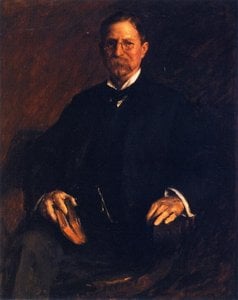
Self Potrait -
복제본 크기
Born in the historic landscape of Baia Mare, within the borders of Austria-Hungary, István Réti emerged as a cornerstone of Central European modernism. His journey was not merely that of a solitary painter, but of a profound theoretician and educator who sought to reshape the very foundations of Hungarian art. From his early, restless days in Budapest to his formative years in the vibrant art capitals of Munich and Paris, Rétim possessed an innate ability to absorb the shifting currents of European aesthetics. His education under Simon Hollósy in Munich provided him with a rebellious spirit, as he favored the freedom of independent classes over the rigid, conservative structures of traditional academies. This thirst for creative liberty would later become the driving force behind his most enduring contribution to art history.
The heart of Réti’s legacy lies in the Nagybánya artists' colony, a movement he helped found and nurture. Alongside contemporaries like János Thorma, Réti was instrumental in transplanting the progressive ideals learned in Munich and Paris back to the fertile soil of Nagybánya. This colony became a sanctuary for light, color, and naturalism, influencing generations of painters across both Hungary and Romania. As a professor and later as the president of the Hungarian University of Fine Arts, Réti did not just paint; he built the infrastructure for artistic excellence, ensuring that the principles of the Nagybánya school would endure long after his tenure.
Réti’s oeuvre is a captivating tapestry of intimate interiors, poignant portraits, and monumental religious compositions. His early works often captured the nostalgic, flickering warmth of lamplit rooms, such as his celebrated Christmas Night of the Bohemians Abroad, which demonstrated an early mastery of atmosphere and emotional depth. This ability to evoke a sense of place and time allowed him to connect deeply with the viewer, turning simple domestic scenes into profound meditations on human existence. His travels through Italy and France further enriched his palette, introducing him to the delicate nuances of Jules Bastien-Lepage and the monumental serenity of Pierre Puvis de Chavannes.
Beyond the intimate, Réti’s work often touched upon the historical and the sacred. He possessed a unique talent for weaving national sentiment and spiritual gravity into his canvases. Whether capturing the solemnity of a revolutionary figure or the divine presence in works like Christ with the Apostles, his brushwork remained sensitive to the weight of the subject matter. His technique was characterized by:
The impact of István Réti extends far beyond the borders of his canvas. As an art historian and academic leader, he played a vital role in defining the trajectory of Hungarian fine arts during a period of immense political and social transition. His leadership at the Hungarian University of Fine Arts allowed him to bridge the gap between the traditionalist past and the burgeoning modernism of the early 20th century. The Nagybánya colony, under his guidance and theoretical influence, became a beacon of light in Eastern Europe, fostering a style that celebrated the beauty of the natural world through a sophisticated, modern lens.
Today, Réti is remembered not only as a painter of exquisite skill but as a foundational figure whose intellectual contributions were as significant as his aesthetic ones. His life’s work remains a testament to the power of artistic community and the enduring strength of a vision dedicated to both the beauty of the moment and the progress of the medium. Through his paintings, we continue to witness the flickering light of a bygone era, preserved by a master who understood that art is both a reflection of the soul and a pillar of culture.

1872 - 1945 , Romania

Discover the profound allure of oil on canvas. Explore the mastery of impasto textures, the science of pigment longevity, and expert guides to selecting museum-quality reproductions that elevate your collection with timeless elegance and tactile depth.

Discover the enduring legacy of oil on board painting. Explore how historical techniques, rich impasto textures, and structural durability create timeless masterpieces that bridge Renaissance grandeur with modern art collecting excellence.

Discover the profound emotional depth of Post-Impressionist landscapes. Explore how masters like Van Gogh revolutionized art through vibrant color, textured impasto, and symbolic expression in this expert guide to the movement that redefined modern art history.


최신 미술 뉴스, 특별 혜택 및 인테리어 아이디어를 가장 먼저 만나보세요.
프로젝트에 대해 알려주시면 저희 미술 전문가들이 맞춤형 아트 제안 3가지를 전달해 드립니다.
당신만을 위한 맞춤형 옵션 3가지를 무료로 추천해 드립니다!


 미리보기
미리보기
 프린트 구매
 공유하기
공유하기 공유하기
공유하기
 상세 정보
상세 정보

 다운로드
다운로드
 유사 작품
유사 작품 X-레이
X-레이 슬라이드 쇼
 더 보기
더 보기






































 유리 옵션은 110cm 미만 크기에서만 선택 가능합니다.