
원하는 크기와 액자로 주문 제작되는, 작가들이 직접 캔버스에 손으로 그린 유화 작품입니다. ( 프린트 판매로 전환 디지털 이미지로 전환)
작품의 원본 비율을 유지하는 미리 설정된 크기 중에서 선택하세요.

특정 프레임이나 공간에 맞도록 직접 크기를 입력할 수 있습니다. 선택하신 크기가 원본 이미지의 비율과 일치하지 않는 경우, 작품을 자르거나 추가적인 손으로 그린 요소를 사용하여 그림을 확장합니다. 제작 시작 전 승인을 위해 디지털 목업을 보내드립니다.
화면 미리 보기는 실제 자르기 또는 확장을 반영하지 않습니다. 최종 구성은 목업을 통해서만 정확하게 확인하실 수 있습니다.
맞춤 크기 제작도 가능하지만, 원본 비율을 유지하기 위해 사전 정의된 목록에서 크기를 선택하시는 것을 권장합니다.

Bildnis Eines Judischen Gelehrten Oder Rabbiners
복제본 크기
Isidor Kaufmann stands as a singular figure in Austro-Hungarian art history, renowned for his poignant genre paintings depicting the daily lives and spiritual traditions of Hasidic communities across Poland and Romania. Born in Arad, Hungary—now part of Romania—to Hungarian Jewish parents in 1853, Kaufmann’s artistic journey was marked by serendipitous circumstances that ultimately propelled him to become one of the foremost chroniclers of Jewish culture during the late 19th century. While he initially pursued a commercial career, his true vocation emerged through a brief period of study at the Landes-Zeichenschule in Budapest. This early spark ignited a lifelong passion that would lead him to the prestigious Vienna Academy of Fine Arts, where, despite initial setbacks, he honed his skills under the rigorous tutelage of Professor Trenkwald.
Establishing himself as a skilled portrait painter in the vibrant atmosphere of Vienna, Kaufmann absorbed the stylistic influences of luminaries such as Joseph Matthäus Aigner. His work began to reflect a sophisticated blend of academic tradition and the burgeoning realism championed by Impressionism. This unique technical foundation allowed him to move beyond mere representation, enabling him to capture the profound psychological depth and spiritual weight of his subjects. His mastery of chiaroscuro—the dramatic interplay of light and shadow—became a hallmark of his style, lending an almost sacred atmosphere to his depictions of religious study and communal ritual.
The turning point in Kaufmann’s career arrived with the monumental commission of “Der Besuch des Rabbi” (The Rabbi's Visit), a work so significant it was commissioned by Emperor Franz Joseph I for the Kunsthistorisches Museum. This painting serves as a definitive testament to his ability to weave meticulous detail with deep emotional resonance. Through this canvas, Kaufmann demonstrated that he was not merely an observer of tradition, but a master capable of capturing the very essence of human experience within specific cultural contexts. The success of this work solidified his reputation across Europe, marking him as an artist who could elevate ethnographic subject matter to the heights of high art.
His body of work is characterized by an intimate gaze into the heart of Eastern European Jewish life. Whether portraying the contemplative stillness of a scholar or the quiet intensity of youth, Kaufmann’s paintings function as windows into a world that was undergoing profound historical shifts. His notable works include:
The historical significance of Isidor Kaufmann lies in his role as a visual historian. His paintings serve as a vital, evocative record of Hasidic life and Jewish traditions during their final, vibrant years in Eastern Europe before the upheavals of the 20th century. Through his brush, the textures of heavy black coats, the glow of candlelight on ancient texts, and the solemnity of religious ritual are preserved with an almost tactile clarity. Kaufmann did not merely paint scenes; he captured the soul of a culture, ensuring that the dignity, intellect, and spiritual richness of these communities would remain etched in the annals of art history forever.
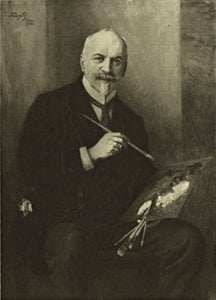
1853 - 1921 , Romania


 미리보기
미리보기
 공유하기
공유하기 공유하기
공유하기
 상세 정보
상세 정보

 다운로드
다운로드
 유사 작품
유사 작품 X-레이
X-레이 슬라이드 쇼
 통계 정보
통계 정보 더 보기
더 보기






































 유리 옵션은 110cm 미만 크기에서만 선택 가능합니다.


