
온라인 미리보기보다 훨씬 뛰어난 품질의 고해상도 디지털 이미지를 구매해 보세요.
각 파일은 사내 전문가가 고급 도구와 숙련된 수동 리터칭 기술을 사용하여 세심하게 준비합니다. 우리는 모든 이미지가 탁월한 선명도, 정확한 색상 재현력, 그리고 미세한 디테일까지 완벽하게 갖추도록 보장합니다.
최종 파일은 전문적인 편집 및 인쇄 환경에서 즉시 사용할 수 있도록 최적화되어 72시간 이내에 이메일로 발송됩니다. 이는 세계적인 디자인 스튜디오, 출판사 및 갤러리가 신뢰하는 것과 동일한 품질입니다.
개인 소장 및 전시, 인쇄, 창작 프로젝트를 위한 고해상도 파일을 다운로드하세요. ( 프린트 판매로 전환 수작업 채색 복제본 주문하기)
WahooArt.com를 선택하시면 단순히 이미지를 받는 것을 넘어, 정밀한 보정 과정을 거쳐 완성된 전문적인 디지털 예술 작품을 만나보실 수 있습니다. 모든 작품에는 만족 보장 서비스가 함께 제공되며, 주문 시 다음과 같은 사항들이 자동으로 포함됩니다:

주문 후 72시간 이내에 고해상도 디지털 이미지 파일이 이메일로 발송되며, 즉시 사용하실 수 있습니다.

귀하의 작품은 고급 AI 기술과 정교한 수동 편집 과정을 거쳐 전문적으로 최적화되며, 이를 통해 디테일과 선명도, 색상의 정확도를 극대화합니다.

파일을 실수로 삭제하거나 분실하셨나요? 걱정 마세요. 언제든 무료로 다시 보내드립니다.

관세나 부가세, 배송비 부담 없이 작품을 즉시 소장하세요 - 디지털 다운로드는 언제나 면세 혜택이 적용됩니다.

전문적인 도구와 색상 관리 시스템을 통해 디지털 이미지가 원본의 색상을 최대한 정확하게 구현하도록 보장합니다.

구매하신 디지털 이미지에 만족하지 못하실 경우, 100일 이내에 별도의 조건 없이 수정 또는 100% 환불을 진행해 드립니다.

만족스럽지 않으신가요? 디지털 파일을 받으신 후 100일 이내에 조건 없이 전액 환불해 드립니다.

이미지 3매 구매 시 10% 할인 - 5매 구매 시 15% 할인 - 10매 이상 구매 시 20% 할인. 크리에이티브 프로젝트, 갤러리, 에이전시에 매우 유용합니다.

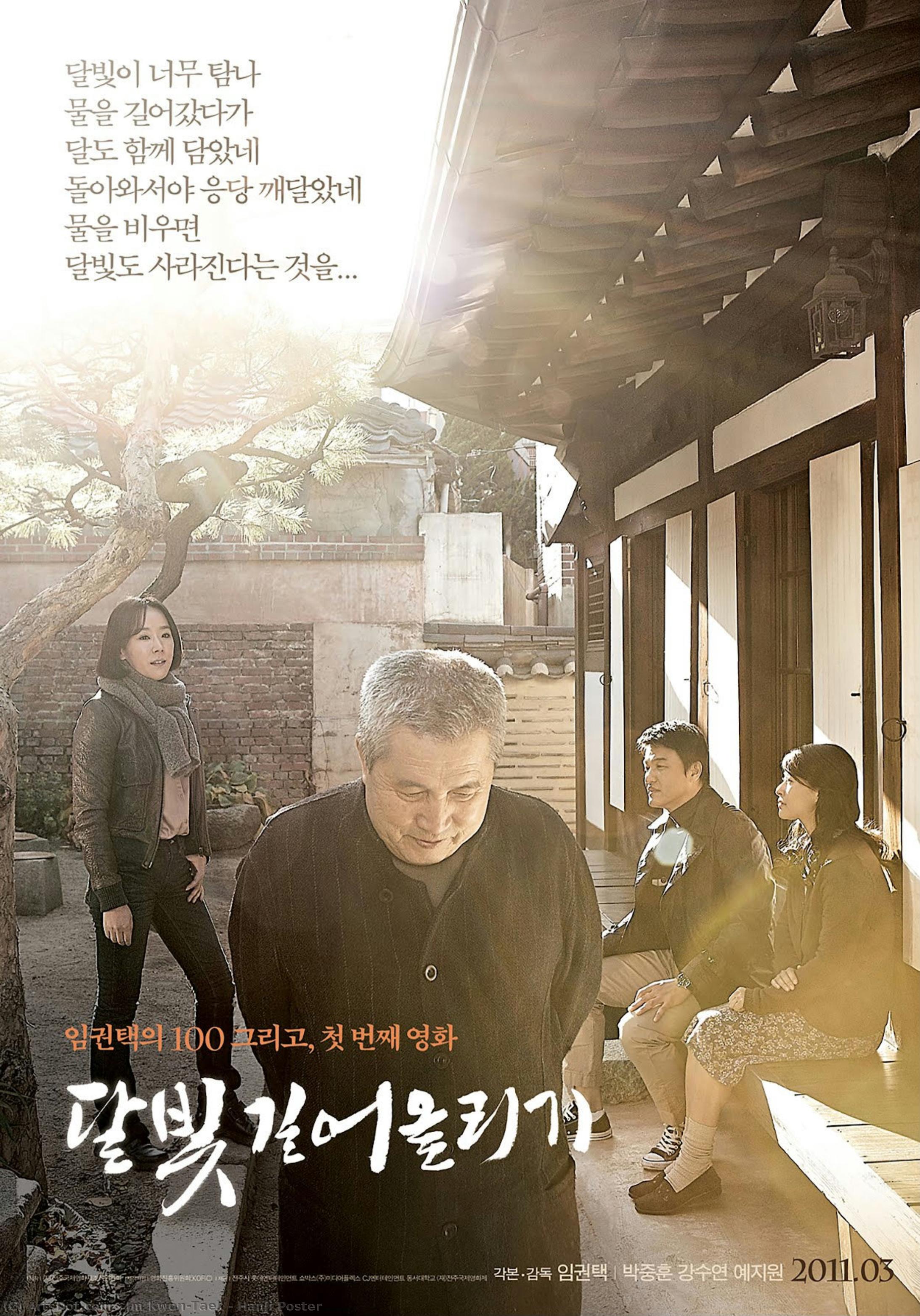
To understand the cinematic landscape of South Korea is to encounter the profound and enduring spirit of Im Kwon-taek. Often revered as the "father of Korean cinema," Im has spent a lifetime weaving the complex tapestry of his nation’s history, culture, and identity into a visual language that resonates far beyond the peninsula. Born in 1936 in Changsong, Cheollanam-do, his early years were shadowed by the immense hardships of the Korean War. This period of upheaval and resilience became the foundational bedrock of his creative consciousness, instilling in him a deep empathy for the human condition and an unwavering commitment to portraying the authentic struggles and triumphs of the Korean people.
Im’s artistic journey began not behind a camera, but through a deep immersion in the traditional aesthetics of his homeland. His formative years were steeped in the rhythms of Korean folk art and the evocative power of oral storytelling. These early influences would later manifest in his films as a preference for visual narratives rooted in the rural landscape, where the natural world and human emotion are inextricably linked. After honing his sensibilities in Gwangju and navigating the bustling urban centers of Busan and Seoul, he emerged as a pivotal figure during the Korean New Wave of the 1960s and 70s. Alongside contemporaries like Jang Seung-eop, Im sought to move beyond mere commercial entertainment, utilizing the medium of film to explore profound themes of social justice, memory, and the shifting tides of national identity.
The evolution of Im Kwon-taek’s work is marked by a transition from a prolific producer of genre films to a master of art-house cinema. While his early career saw him directing numerous commercial productions with remarkable efficiency, a profound artistic shift occurred in the late 1970s and early 1980s. Films such as Jokbo (The Family Tree) signaled his growing desire to create works of deeper philosophical and aesthetic significance. This metamorphosis reached its zenith with the landmark film Mandala, a work that pivoted his focus toward spiritual inquiry and the exploration of Buddhism, setting the stage for a career defined by a seamless blend of gritty realism and poetic imagery.
Im’s filmography is a vast archive of the Korean soul. His ability to capture the nuances of tradition—from the haunting melodies of pansori to the intricate rituals of shamanism—has made him a vital custodian of Korea's intangible heritage. His masterpieces often function as meditations on the passage of time and the persistence of culture amidst modernization:
The significance of Im Kwon-taek extends far beyond the boundaries of the silver screen; he has acted as a cultural ambassador, bringing the complexities of Korean history to the global stage. Through his lens, the world has witnessed the scars of the Japanese occupation, the devastation of civil war, and the delicate customs of past dynasties. His work does not merely document history; it breathes life into it, allowing audiences to feel the weight of tradition and the tension of contemporary morality.
By prioritizing the human connection and the sanctity of cultural memory, Im has ensured that the essence of Korea remains vibrant and visible in an increasingly globalized world. His legacy is one of artistic innovation and cultural preservation, a testament to the power of cinema to serve as both a mirror to society and a window into the eternal human spirit. As a director who has mastered the art of telling "good stories" through a sophisticated cinematic vocabulary, Im Kwon-taek remains an incomparable titan of world cinema.

1936 - , South Korea

 실제 크기로 보기
 보내기
보내기 공유하기
공유하기
 상세 보기
상세 보기 가이드 보기

 이미지 다운로드
 유사 작품 더 보기
 X-레이
X-레이 슬라이드 쇼 보기
 통계 정보
통계 정보

 상세 보기
상세 보기


