
 Oil On CanvasWallArtNeoclassicism
 Early Modern
 24.0 x 33.0 cm
 알테 핀코테크
원하는 크기와 액자로 주문 제작되는, 작가들이 직접 캔버스에 손으로 그린 유화 작품입니다. ( 프린트 판매로 전환 디지털 이미지로 전환)





























작품의 원본 비율을 유지하는 미리 설정된 크기 중에서 선택하세요.

특정 프레임이나 공간에 맞도록 직접 크기를 입력할 수 있습니다. 선택하신 크기가 원본 이미지의 비율과 일치하지 않는 경우, 작품을 자르거나 추가적인 손으로 그린 요소를 사용하여 그림을 확장합니다. 제작 시작 전 승인을 위해 디지털 목업을 보내드립니다.
화면 미리 보기는 실제 자르기 또는 확장을 반영하지 않습니다. 최종 구성은 목업을 통해서만 정확하게 확인하실 수 있습니다.
맞춤 크기 제작도 가능하지만, 원본 비율을 유지하기 위해 사전 정의된 목록에서 크기를 선택하시는 것을 권장합니다.

Washerwomen below a Bridge
복제본 크기
In the evocative masterpiece “Washerwomen below a Bridge,” Hubert Robert invites us into a world where the grandeur of the past seamlessly intertwines with the humble rhythms of daily life. As an emblem of Romantic antiquarianism, Robert does not merely document a landscape; he reconstructs a lost era through a lens of profound nostalgia and imaginative splendor. The scene transports the viewer to an idealized Roman setting, where a monumental arched bridge dominates the composition, its weathered stone surfaces speaking of centuries of endurance. Beneath this architectural titan, women are engaged in the rhythmic, domestic chore of washing clothes, creating a poignant juxtaposition between the eternal, unmoving weight of classical ruins and the fleeting, transient nature of human activity.
The painting is a masterclass in the Baroque and Neoclassical traditions, utilizing atmospheric perspective to pull the eye deep into the heart of the Roman landscape. Robert employs a technique reminiscent of Claude Lorrain, layering oil pigments on canvas to achieve a rich, tactile surface that captures the subtle nuances of foliage and the rugged texture of ancient masonry. The color palette is a sophisticated arrangement of earthy tones—deep browns, warm ochres, and muted greens—which reinforces a solemn, timeless mood. This subdued chromatic range allows the soft, diffused light of an overcast sky to bathe the scene, lending a dreamlike quality to the riverbank and the distant, hazy horizons.
Beyond its technical brilliance, the artwork serves as a profound meditation on connection and transition. The bridge, acting as the central structural element, functions symbolically as a link between different eras and states of being—connecting the viewer to the classical world and bridging the gap between the monumental and the mundane. The figures scattered throughout the landscape, from those lounging by the river to those observing from elevated platforms, infuse the scene with a sense of quiet vitality. Their presence suggests that even amidst the decay of great empires, the pulse of human interaction and the continuity of life remain unbroken.
For the discerning collector or interior designer, this piece offers more than mere decoration; it provides an emotional anchor for a space. The painting’s ability to evoke a sense of tranquility, historical depth, and contemplative wonder makes it an extraordinary addition to any curated collection. Whether placed in a grand library or a contemporary living space, the "Washerwomen below a Bridge" acts as a window into a romanticized history, offering a sophisticated aesthetic that celebrates the enduring beauty of both human endeavor and architectural legacy.

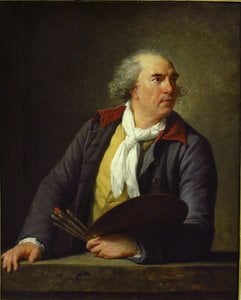
1733 - 1808 , 프랑스

낭만주의 시대, 예술혼을 불태운 10대 풍경화 걸작! 터너부터 프리드리히까지, 시대를 초월하는 아름다움을 와후아트에서 만나보세요. 고흐의 색채와 코로의 섬세함이 당신의 공간에 영감을 더합니다. 지금 바로 와후아트에서 명품 미술 작품을 감상하고 구매하세요!

Explore the breathtaking drama of Baroque landscapes. From Rubens's grand vistas to the mastery of chiaroscuro, discover how 17th-century artists transformed nature into a theatrical stage of emotion and light. A deep dive for true art enthusiasts.

Explore the captivating world of Hubert Robert, master of Romantic landscape painting & 'capriccio' ruins. Discover his historical context, artistic innovations, and collecting insights with WahooArt.

Master the art of drama with our ultimate guide to Baroque landscapes. Discover the power of chiaroscuro, explore legendary masters, and learn how to curate epic, dark-vibe masterpieces for your collection with expert insights from WahooArt.
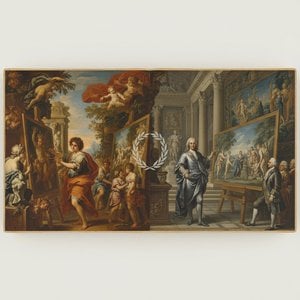
Explore the life & art of Simon Vouet, a pivotal French Baroque painter who introduced Italian styles to France. Discover his masterpieces and lasting influence on 17th-century art.


 미리보기
미리보기
 공유하기
공유하기 공유하기
공유하기
 상세 정보
상세 정보 가이드 보기

 다운로드
다운로드
 유사 작품
유사 작품 X-레이
X-레이 슬라이드 쇼
 통계 정보
통계 정보 더 보기
더 보기









 유리 옵션은 110cm 미만 크기에서만 선택 가능합니다.


