

 Oil On CanvasWallArtRomantic Antiquarianism
 1777
1777 175.0 x 123.0 cm
 메트로폴리탄 미술관
작가가 직접 캔버스에 손으로 그린 유화 작품으로, 원하는 크기와 액자로 맞춤 제작해 드립니다. ( 프린트 판매로 전환 디지털 이미지 판매 채널로 전환)





























작품의 원본 비율을 그대로 유지하는 프리셋 사이즈 중에서 선택해 보세요.

특정 프레임이나 공간에 맞춰 원하는 크기를 직접 입력하실 수 있습니다. 선택하신 크기가 원본 이미지의 비율과 일치하지 않을 경우, 작품을 자르거나 추가적인 수작업 요소를 더해 그림을 확장하여 제작합니다. 제작 시작 전, 최종 확인을 위해 디지털 목업을 보내드립니다.
화면상의 미리 보기는 실제 크롭(자르기)이나 확장된 상태를 완벽히 반영하지 않을 수 있습니다. 최종 구도는 오직 목업을 통해서만 정확하게 확인하실 수 있습니다.
맞춤 크기 제작도 가능하지만, 원본의 비율을 그대로 유지하기 위해서는 미리 정의된 목록에서 크기를 선택하시는 것을 권장합니다.
Wandering Minstrels
복제본 규격
Hubert Robert's "Wandering Minstrels," painted in 1777, is more than just a picturesque landscape; it’s a meticulously constructed illusion, a fleeting moment captured with the artist’s signature blend of observation and romantic fancy. Commissioned by the Comte d’Artois as part of his extravagant pleasure pavilion at Bagatelle – a project undertaken with astonishing speed – the painting embodies the Rococo spirit of playful extravagance and the burgeoning fascination with ruins that would define much of the late 18th century. Robert, deeply influenced by his years spent in Italy, masterfully synthesizes elements of Roman architecture and sculpture with a distinctly French sensibility, creating a scene brimming with theatricality and an almost palpable sense of nostalgia.
The composition immediately draws the eye to the central obelisk, flanked by two elegant statues – likely representations of goddesses or allegorical figures. These monumental forms anchor the scene, providing a dramatic backdrop for the lively gathering below. The figures themselves are rendered with a remarkable degree of detail and movement; musicians strumming instruments, dancers twirling, and individuals engaged in various social interactions populate the foreground. Robert’s skill lies not just in depicting these figures accurately but also in conveying their energy and the overall atmosphere of merriment. Notice how he uses light to sculpt the forms, creating a sense of depth and volume that brings the scene vividly to life.
Robert’s technique is characterized by a loose, almost improvisational brushstroke – a hallmark of his “capriccio” style. He wasn't striving for photographic realism; instead, he prioritized capturing the *feeling* of a place, imbuing it with atmosphere and emotion. The use of color is particularly noteworthy: muted tones dominate, creating a hazy, dreamlike quality that reinforces the painting’s sense of timelessness. He expertly employs atmospheric perspective – objects in the distance appear paler and less distinct – to further enhance the illusion of depth and space. This technique, combined with his masterful handling of light and shadow, is what truly elevates “Wandering Minstrels” beyond a simple landscape depiction.
The painting’s genesis within the Bagatelle project offers crucial context. Robert was tasked with creating a series of six paintings for the pleasure pavilion's bathing room, all centered around the theme of water. This constraint – and the incredibly tight deadline – undoubtedly influenced his approach, leading him to draw upon diverse sources and synthesize them into a cohesive whole. The obelisk itself, for instance, likely derives from Roman architectural models studied by Robert during his time in Italy, while other elements are subtly adapted from French decorative motifs.
“Wandering Minstrels” is deeply rooted in the intellectual currents of the late 18th century. The fascination with ruins – a trend popularized by antiquarians like Johann Joachim Winckelmann – reflected a broader cultural preoccupation with the past, particularly the glories of antiquity. Robert’s incorporation of Roman architectural elements speaks to this interest, but he doesn't simply replicate classical forms; rather, he reimagines them within a distinctly French context. The figures themselves can be interpreted as symbols of leisure and social interaction, reflecting the aristocratic lifestyle enjoyed by the Comte d’Artois and his court.
The painting also subtly alludes to the changing role of art in society. During this period, artists were increasingly expected to create works that not only depicted reality but also evoked emotion and imagination. Robert's “capriccio” style – a genre characterized by fantastical landscapes and idealized scenes – perfectly embodies this shift. The scene is not meant to be a literal representation of a specific place or event; it’s an invented world, designed to transport the viewer to a realm of beauty and delight.
“Wandering Minstrels” stands as a testament to Hubert Robert's unique artistic vision. It is a captivating blend of observation, imagination, and technical skill – a painting that continues to enchant viewers with its evocative atmosphere and timeless appeal. Reproductions of this work offer an exceptional opportunity to bring this exquisite scene into your home, allowing you to experience the beauty and artistry of one of France’s most celebrated landscape painters. The intricate details and masterful use of light and color are particularly striking when reproduced on high-quality canvas or aluminum, capturing the essence of Robert's original vision with remarkable fidelity.
위베르 로베르의 "Wandering Minstrels"에 추천하는 조합: Hotel Lobby 공간에 어울리는 Large 사이즈 프린트입니다.
"Wandering Minstrels"의 원작은 메트로폴리탄 미술관에 소장되어 있으며, 이 작품은 퍼블릭 도메인 - 저작권 보호 기간이 만료되었습니다 상태입니다.
"Wandering Minstrels"은(는) Recognized 등급으로 분류됩니다.
"Wandering Minstrels" 작품은 리넨 캔버스 위에 손으로 직접 그린 유화 복제화로 만나보실 수 있습니다. 다양한 사이즈 중 선택하여 현재 페이지에서 주문하실 수 있습니다.
슬라이드쇼를 이용하실 수 있습니다: 위베르 로베르의 "Wandering Minstrels"의 슬라이드쇼 페이지.
"Wandering Minstrels"은(는) 1777년에 Romantic Antiquarianism 사조의 작품으로 제작되었습니다. 제작 연도와 미술 사조는 미술사적 맥락에서 이 작품의 위치를 확고히 해줍니다.
위베르 로베르의 "Wandering Minstrels"의 재료는 Oil On Canvas입니다. 복제화는 이 기법의 질감을 그대로 구현하는 것을 목표로 합니다.
"Wandering Minstrels"에서는 Romantic 분위기와 함께 Nostalgic 감정이 느껴집니다.

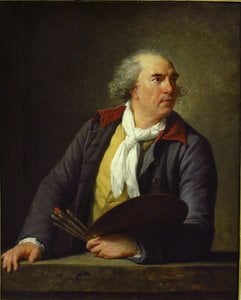
1733 - 1808 , 프랑스

Embark on a sophisticated journey through Italian Baroque art. Discover the dramatic interplay of light and emotion in Caravaggio’s masterpieces and explore how to bring this timeless grandeur into your collection with expert art insights.

 실제 크기로 보기
 보내기
보내기 공유하기
공유하기
 상세 보기
상세 보기 가이드 보기

 이미지 다운로드
 유사 작품 더 보기
 X-레이
X-레이 슬라이드 쇼 보기
 통계 정보
통계 정보 상세 보기
상세 보기









 유리 옵션은 110cm 미만 크기에서만 선택 가능합니다.


