

 Oil On CanvasWallArtRococo
 1777
1777 173.0 x 80.0 cm
 메트로폴리탄 미술관
빠른 제작과 다양한 마감 옵션을 선택할 수 있는 박물관 수준의 지클레이 및 캔버스 프린트. ( 수작업 채색 복제본 주문하기 디지털 이미지 판매 채널로 전환)





























작품의 원본 비율을 그대로 유지하는 프리셋 사이즈 중에서 선택해 보세요.

액자나 벽면 크기에 맞춰 필요한 가로와 세로 길이를 입력해 주세요. 프린트는 원본 이미지보다 크게 제작할 수 없으며 오직 자르는 것만 가능하므로, 비율이 다른 사이즈를 선택할 경우 이미지의 일부가 잘려 나갈 수 있습니다. 인쇄 작업에 들어가기 전, 최종 확인을 위해 디지털 목업을 보내드립니다. 이 페이지에 표시된 이미지는 실제 잘리는 영역을 나타내지 않으며, 오직 목업을 통해서만 정확한 확인이 가능합니다.
The Fountain
복제본 규격
Hubert Robert's 1777 painting, “The Fountain,” isn’t merely a depiction of a picturesque Italian landscape; it’s an immersive experience, a carefully constructed illusion designed to evoke the grandeur and serenity of antiquity. Born from a wager between King Louis XV’s brother, the comte d’Artois, and Queen Marie Antoinette – a challenge to build a pleasure pavilion in just sixty-four days – the work transcends its origins as a commissioned piece. Robert, having spent eleven years immersed in the Italian artistic landscape, skillfully blended his own observations with classical architectural principles and a touch of romantic fancy. The painting whispers of a bygone era, inviting us into a world where leisure and beauty intertwine, reflecting the Rococo fascination with both historical grandeur and idyllic escape.
The scene unfolds within a vast Roman landscape dominated by a colossal column, its summit crowned with an imposing statue – a testament to human ambition and artistic skill. A long, arched structure, reminiscent of a Roman arcade or portico, stretches into the distance, creating a sense of limitless space and drawing the eye upwards towards this monumental focal point. The composition is meticulously balanced, utilizing strong vertical lines that emphasize the column’s height while softer curves represent the trees and figures scattered throughout the scene. This interplay between geometric precision and organic forms establishes a visual harmony that contributes to the painting's overall sense of tranquility.
Robert’s mastery lies in his ability to capture atmospheric perspective, a technique crucial to conveying depth and distance. Notice how the colors gradually become paler and less saturated as they recede into the background – ochres, browns, and muted greens dominate, creating a hazy, dreamlike quality. This effect is achieved through careful layering of paint, building up textures and values with meticulous brushwork. The lighting, diffused and warm, suggests either dawn or dusk, bathing the scene in a soft glow that enhances its romantic atmosphere. The use of chiaroscuro – the dramatic contrast between light and shadow – further emphasizes the column’s imposing presence and adds to the painting's sense of drama.
Examining the brushstrokes reveals Robert’s deliberate approach. He doesn’t strive for photographic realism; instead, he employs a loose, expressive style that prioritizes capturing the *feeling* of the landscape. The figures themselves are rendered with a degree of informality, suggesting leisurely activities – conversation and repose – rather than precise detail. This stylistic choice aligns perfectly with the Rococo aesthetic, which valued elegance and charm over strict adherence to naturalism. The painting’s materials—likely oil paints on canvas—lend themselves beautifully to this technique, allowing for rich colors, subtle gradations of tone, and a remarkable sense of texture.
“The Fountain” is more than just a pretty picture; it’s imbued with symbolic meaning. The Roman ruins evoke the glories of antiquity, representing a lost world of power and sophistication. The fountain itself symbolizes abundance, leisure, and the pursuit of pleasure – values highly prized during the Rococo era. Robert's inclusion of figures engaged in social activities reinforces this theme, suggesting that life is meant to be enjoyed and celebrated. The painting also subtly references the Enlightenment fascination with classical antiquity, a movement that sought to revive the ideals and artistic principles of ancient Greece and Rome.
Furthermore, it’s important to consider Robert's personal history. His time in Italy profoundly shaped his artistic vision, fostering a deep appreciation for Roman architecture and sculpture. He deliberately combined elements from various sources, creating a unique synthesis that reflects his own creative imagination. The painting can be interpreted as a nostalgic longing for the past, blended with an anticipation of the future – a common theme in 18th-century art.
WahooArt is proud to offer meticulously crafted hand-painted reproductions of Hubert Robert’s “The Fountain,” allowing you to bring this captivating masterpiece into your home or office. Our skilled artists faithfully recreate the painting's atmospheric depth, nuanced colors, and expressive brushwork, ensuring that every detail is rendered with exceptional accuracy. Whether you are an art enthusiast, a collector, or simply seeking to add a touch of timeless elegance to your space, our reproduction captures the essence of Robert’s vision – a dreamscape of Roman reverie that continues to enchant viewers centuries later.
"The Fountain"에 대한 안내는 작품의 가이드 페이지에서 확인하실 수 있습니다. 이 페이지는 작품의 캡션, 크레딧, 그리고 상세 정보 표(작가, 제작 연도, 재료, 원본 크기, 소장처)를 포함하여 출력 가능한 형태의 팩트시트로 제공됩니다.
위베르 로베르의 "The Fountain"에는 Ochre to Sepia 빛깔이 감돕니다.
"The Fountain"은(는) Oil On Canvas 기법을 사용하여 Rococo 양식으로 제작되었습니다.

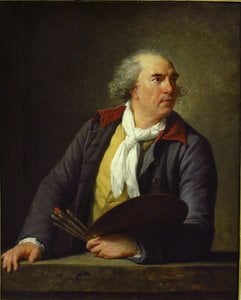
1733 - 1808 , 프랑스

낭만주의 시대, 예술혼을 불태운 10대 풍경화 걸작! 터너부터 프리드리히까지, 시대를 초월하는 아름다움을 와후아트에서 만나보세요. 고흐의 색채와 코로의 섬세함이 당신의 공간에 영감을 더합니다. 지금 바로 와후아트에서 명품 미술 작품을 감상하고 구매하세요!

Explore the rich history of landscape art with WahooArt. Discover renowned artists, movements like Impressionism & Romanticism, and expert guidance for collecting timeless pieces. Find your perfect serene escape today!

화려함과 우아함의 절정, 로코코 미술! 부셰, 프라고나르 등 거장들의 걸작 10편을 통해 18세기 예술 황금시대를 만나보세요. WahooArt.com에서 박물관 수준의 명품 아트 프린트와 인테리어 영감을 얻으세요. 지금 바로 온라인 컬렉션을 탐험해보세요!

Explore the captivating world of 18th-century painting! Discover Rococo's playful elegance & Neoclassicism’s Enlightenment ideals with expert insights into Fragonard, David, and more. A comprehensive guide for art enthusiasts.

Explore the captivating world of Hubert Robert, master of Romantic landscape painting & 'capriccio' ruins. Discover his historical context, artistic innovations, and collecting insights with WahooArt.

 실제 크기로 보기
 보내기
보내기 공유하기
공유하기
 상세 보기
상세 보기 가이드 보기

 이미지 다운로드
 유사 작품 더 보기
 X-레이
X-레이 슬라이드 쇼 보기
 Q&A
Q&A 통계 정보
통계 정보 상세 보기
상세 보기









 유리 옵션은 110cm 미만 크기에서만 선택 가능합니다.


