

작가가 직접 캔버스에 손으로 그린 유화 작품으로, 원하는 크기와 액자로 맞춤 제작해 드립니다. ( 프린트 판매로 전환 디지털 이미지 판매 채널로 전환)





























작품의 원본 비율을 그대로 유지하는 프리셋 사이즈 중에서 선택해 보세요.

액자나 벽면 크기에 맞춰 필요한 가로와 세로 길이를 입력해 주세요. 본 작품은 수작업으로 제작되므로, 요청하신 비율에 따라 작가가 그림의 가장자리를 조금 더 넓게 그리거나 일부를 조정하여 작업할 수 있습니다. 작업 시작 전, 최종 확인을 위해 디지털 목업 이미지를 보내드립니다. 이 페이지에 표시된 이미지는 실제 결과물과 다를 수 있으며, 오직 목업 이미지만이 정확한 결과물을 보여줍니다.
LE PONT DU GARD
복제본 규격
In the vast tapestry of eighteenth-century French art, few threads are as evocative and hauntingly beautiful as those woven by Hubert Robert. His masterpiece, Le Pont du Gard, is far more than a mere topographical record of an ancient Roman aqueduct; it is a profound meditation on the passage of time, the endurance of human ingenuity, and the sublime beauty found in decay. As a painter who famously bridged the gap between the playful elegance of the Rococo and the structured gravity of Neoclassibility, Robert possessed a singular ability to transform stone and mortar into vessels of memory. In this panoramic vista, the monumental arches of the aqueduct stretch across the canvas like a rhythmic heartbeat of a vanished civilization, inviting the viewer to step into a world where history breathes through the very cracks in the limestone.
The composition is a masterclass in balanced tension, where the massive, horizontal weight of the Roman engineering feat is softened by the organic fluidity of the natural landscape. Robert utilizes a sophisticated linear perspective to draw the eye deep into the horizon, yet he anchors the scene with the rhythmic repetition of the bridge's arches. Beneath this architectural titan, the river flows with a serene grace, its surface acting as a mirror for the soft, diffused light of a late afternoon sky. Small, delicate figures are scattered along the banks and within tiny boats, serving not merely as decorative elements but as vital tools for scale. These tiny traces of life emphasize the overwhelming magnitude of the structure, reminding us of the fleeting nature of human existence when measured against the monumental legacy of the Roman Empire.
To behold a high-quality reproduction of Le Pont du Gard is to witness the delicate alchemy of Robert’s technique. The artist employed a meticulous layering of oil paints, utilizing glazing to achieve a luminous, ethereal quality that seems to emanate from within the canvas itself. This method allows for a subtle interplay of light and shadow, where the rough, weathered texture of the ancient stone contrasts beautifully with the soft, translucent clouds drifting above. The color palette is a sophisticated arrangement of earthy tones—muted beiges, warm browns, and stony greys—interrupted only by the most delicate whispers of pale blue and a faint, rosy warmth reflected in the water’s surface.
For the discerning collector or interior designer, this artwork offers an unparalleled sense of tranquility and intellectual depth. The painting does not shout; rather, it whispers stories of antiquity and the romantic allure of ruins. Its ability to harmonize structured geometric forms with the unpredictable beauty of nature makes it a versatile centerpiece for any sophisticated space. Whether placed in a sunlit gallery or a quiet study, the piece serves as a window into a "capriccio"—a semi-fictitious, picturesque vision that celebrates the grandeur of the past. It is an investment in emotion, providing a focal point that inspires awe, contemplation, and a deep connection to the enduring spirit of human history.
"LE PONT DU GARD"에서 가장 돋보이는 색상은 Walnut (#624729)입니다. 작품의 주된 색상은 인테리어와 작품을 조화롭게 매치할 때 유용합니다.
위베르 로베르의 "LE PONT DU GARD"은(는) Balanced 색채 강도를 보여줍니다.
Romantic Neoclassicism 사조 안에서, "LE PONT DU GARD"은(는) Tranquil한 어조로 기록되어 있습니다.

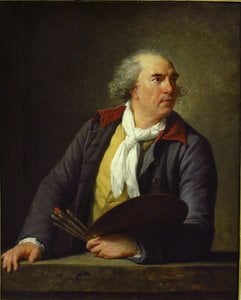
1733 - 1808 , 프랑스

Explore the breathtaking intersection of Roman grandeur and Impressionist light. Discover how masters like Monet reimagined classical ruins through vibrant, emotive brushstrokes. A cultural journey for true art lovers seeking to bring eternal glory into their homes.

Explore the rich history of landscape art with WahooArt. Discover renowned artists, movements like Impressionism & Romanticism, and expert guidance for collecting timeless pieces. Find your perfect serene escape today!

Explore the captivating world of Hubert Robert, master of Romantic landscape painting & 'capriccio' ruins. Discover his historical context, artistic innovations, and collecting insights with WahooArt.

존 컨스터블 대표작 25선을 만나보세요. 영국 풍경화 거장의 자연주의 회화, 데담 밸리의 아름다움과 헤이 웨인의 정취를 담은 명화를 감상하세요. WahooArt에서 고품질 예술 작품 복제본을 소장하고 특별한 인테리어를 완성해보세요. 지금 바로 컬렉션을 탐험하세요!

낭만주의 시대, 예술혼을 불태운 10대 풍경화 걸작! 터너부터 프리드리히까지, 시대를 초월하는 아름다움을 와후아트에서 만나보세요. 고흐의 색채와 코로의 섬세함이 당신의 공간에 영감을 더합니다. 지금 바로 와후아트에서 명품 미술 작품을 감상하고 구매하세요!

 실제 크기로 보기
 보내기
보내기 공유하기
공유하기
 상세 보기
상세 보기 가이드 보기

 이미지 다운로드
 유사 작품 더 보기
 X-레이
X-레이 슬라이드 쇼 보기
 통계 정보
통계 정보


 상세 보기
상세 보기









 유리 옵션은 110cm 미만 크기에서만 선택 가능합니다.


