

이 페이지에 표시된 작품은 저작권법의 보호를 받으며, 이에 따라 동일한 복제품을 제작하거나 판매하는 것은 법으로 금지되어 있습니다. 이러한 권리 보호는 다음과 같은 국제 협약에 따라 시행됩니다. 베른 협약 또한 다음에서 명시하는 법률을 포함한 국내법에 의해 보호됩니다. 미국 저작권법 제17조.
저희는 존중을 담은 합법적인 대안으로서, 원작에서 영감을 받은 맞춤형 수제 유화 작품을 제공합니다. 저희의 숙련된 전문 화가들은 원작의 스타일, 분위기, 예술적 정수를 면밀히 연구하여, 그 자체로 독창적인 창작물이면서도 원작과 동일한 감동을 불러일으키는 새로운 작품을 만들어냅니다.
이 방식은 저작권 보호를 받는 예술 작품을 복제하거나 그대로 재현하는 것이 아니기에 저작권 규정을 완벽히 준수합니다. 대신, 이는 창의적인 재해석의 과정을 거칩니다. 즉, 원작에서 영감을 받되 원작과 동일하지 않은 새로운 회화 작품을 의미합니다.
작가가 직접 캔버스에 손으로 그린 유화 작품으로, 원하는 크기와 액자로 맞춤 제작해 드립니다. ( 프린트 판매로 전환 디지털 이미지 판매 채널로 전환)





























작품의 원본 비율을 그대로 유지하는 프리셋 사이즈 중에서 선택해 보세요.

액자나 벽면 크기에 맞춰 필요한 가로와 세로 길이를 입력해 주세요. 본 작품은 수작업으로 제작되므로, 요청하신 비율에 따라 작가가 그림의 가장자리를 조금 더 넓게 그리거나 일부를 조정하여 작업할 수 있습니다. 작업 시작 전, 최종 확인을 위해 디지털 목업 이미지를 보내드립니다. 이 페이지에 표시된 이미지는 실제 결과물과 다를 수 있으며, 오직 목업 이미지만이 정확한 결과물을 보여줍니다.
Lizard Tail
복제본 규격

1976년 일본 시코쿠섬에서 태어난 히로미 탄고의 예술적 여정은 전통에 뿌리를 두면서도 인간 경험에 대한 깊은 탐구를 병행하는 매우 개인적인 과정입니다. 주로 텍스타일 설치 미술과 퍼포먼스 아트를 선보이는 그녀의 작업은 단순한 공예를 넘어 기억과 감정, 그리고 촉각적 세계 사이의 몰입감 넘치는 대화를 이끌어냅듬니다. 풍요로운 문화적 토양 속에서 보낸 어린 시절부터 현대 미술의 선두주자로 자리매김하기까지, 탄고의 진화는 끊임없는 호기심과 취약함을 기꺼이 마주하는 용기로 점철되어 있으며, 이러한 특성은 그녀의 매혹적인 작품 속에 강렬하게 투영되어 있습니다.
탄고의 형성기는 다양한 영향력이 결합된 독특한 시기였습니다. 정교한 유기농 면직물과 활기찬 염색 기법으로 유명한 이마바리에서 성장하며, 탄고 가문의 역사와 깊이 얽힌 도시의 유산은 그녀를 일본 장인 정신의 세밀한 예술성과 지속적인 전통에 노출시켰습니다. 기모노 제작자였던 할머니와 패션 디자인 배경을 가진 어머니는 그녀에게 재료와 패턴, 그리고 각 작품에 새겨진 이야기에 대한 깊은 경외심을 심어주었습니다. 이러한 유산은 단순히 물려받은 것이 아니라, 현대적인 시각을 통해 능동적으로 재해로 해석되고 재탄생되었습니다.
도쿄 일본여대 졸업 후, 탄고는 예술적 발견을 위한 여정에 나섰으며 초기에는 텍스타일을 퍼포먼스 아트를 위한 조각적 요소로 활용했습니다. 초기 작품들은 강렬하고 때로는 자극적인 색채가 특징이었는데, 이는 작업에 강한 정서적 울림을 불어넣기 위한 의도적인 선택이었습니다. 그녀는 선물 받은 것과 직접 구한 것 모두를 포함하여 개인적인 의미가 담긴 직물들을 수집하기 시작했고, 그 위에 편지, 일기, 그리고 다른 친밀한 물건들을 겹겹이 쌓아 올렸습니다. 이러한 수집과 직조의 과정은 단순히 물리적 객체를 만드는 것이 아니라, 기억과 경험, 그리고 말로 다 할 수 없는 서사들을 담아내는 저장소를 구축하는 작업이었습니다.
탄고의 예술적 스타일은 특유의 색채 사용과 질감으로 즉각적으로 인식됩니다. 그녀는 서로 충돌하는 색조나 혼란스러운 배치를 피하지 않으며, 오히려 그 불협화음을 포용합니다. 이러한 불일치가 인간 감정의 복잡성을 반영한다고 믿기 때문입니다. 2014년 작인 “먼지 폭풍(Dust Storm)”은 이러한 접근법을 잘 보여주는 사례로, 활기찬 팔레트를 사용하여 환희와 불안감을 동시에 불러일으킵니다. 그녀는 실, 끈, 양모, 천을 세밀하게 감고 엮어 에너지가 맥동하는 듯한 밀도 높은 망을 만들어냅니다. 이러한 레이어링 기법은 단순히 장식적인 목적에 그치지 않고, 기억의 무게와 질감을 포착하려는 의도적인 시도입니다.
색채를 넘어 탄고의 작업은 일본의 예술적 전통, 특히 노(Noh) 극과 다도(Tea ceremony)로부터 깊은 영감을 받습니다. 세밀한 디테일에 대한 집중, 의례적인 몸짓의 강조, 그리고 무상함과 같은 주제에 대한 탐구는 모두 이러한 전통의 특징이며, 이는 그녀의 설치 미술과 퍼포먼스 속에 자연스럽게 스며들어 있습니다. 또한 서예나 꽃꽂이와 같은 일본 전통 예술 형식을 자주 결합함으로써 과거와 현재 사이의 대화를 창조해냅니다.
예술적 참여에 대한 탄고의 헌신은 개인적인 창작을 넘어 확장됩니다. 그녀는 협업적 실천의 힘을 인식하고, 2015년 전시 “Art Magic: Remnant”를 앞두고 창작 과정을 민주화하기 위해 설계된 “예술 레시피(art recipes)”를 개발했습니다. 이 지침은 참여를 원하는 누구에게나 단순화된 틀을 제공하여, 공유된 경험과 집단적 스토리텔링의 감각을 조성했습니다. 이러한 접근 방식은 예술이 기성 작가들만의 영역이 아니라 모두에게 접근 가능하며 변혁적인 도구가 될 수 있다는 믿음을 반영합니다.
2012년 퀸즐랜드 미술관/현대 미술관(QAGOMA)에서 선보인 설치 작품 “Pistil”은 사회적 참여에 대한 그녀의 의지를 더욱 잘 보여줍니다. “Pistil”은 개인적인 역사를 가진 이들을 창작 과정에 초대함으로써 예술적 저작권에 대한 전통적인 관념에 도전했으며, 정체성과 소속감의 복잡성에 대한 대화를 유도했습니다. 이 프로젝트는 예술이 의미 있는 연결과 이해를 위한 촉매제가 될 수 있다는 탄고의 신념을 강조했습니다.
탄고의 작품은 호주와 일본 양국에서 상당한 인정을 받아왔습니다. 그녀는 2014년 헤이즐허스트 지역 갤러리 및 예술 센터 프로젝트 상과 2013년 호주-일본 재단 상을 포함하여 수많은 상을 수상했습니다. 전시 이력 또한 방대하여 호주, 뉴질랜드, 벨기에에서 14회 이상의 개인전을 개최했으며, 20회 이상의 그룹전과 수많은 퍼포먼스 및 설치 작업을 진행했습니다. 특히 그녀의 작업은 Art Magazine과 같은 출판물에 소개되었으며, 재료와 개념에 대한 혁신적인 접근 방식으로 비평가들의 찬사를 받았습니다.
현재 탄고는 예술을 통해 치유, 기억, 그리고 연결이라는 주제를 계속해서 탐구하고 있습니다. “Healing Tree”와 “Nature”를 포함한 최근 프로젝트들은 정서적 웰빙과 관련된 과학적 개념 및 예술적 실천의 치료적 잠재력에 대한 깊이 있는 참여를 보여줍니다. 그녀의 작업은 개인적 경험, 문화적 유산, 그리고 인간 감정의 심연을 탐구하려는 확고한 의지로 짜인 활기찬 태피스트리로서, 창조성이 가진 변혁적인 힘을 보여주는 강력한 증거로 남아 있습니다.

1976 - , 일본

Discover WahooArt's bespoke services for elite collectors. Masterfully execute custom sizing and background extensions to ensure every hand-painted oil reproduction fits your architectural space with absolute precision and compositional perfection.

Elevate your collection with WahooArt.com's bespoke customization. From reimagining portraits within historical landscapes to custom scenery shifts, our master artists transform your vision into a hand-painted masterpiece. Experience unparalleled luxury and curatorial excellence.

Elevate your design projects with WahooArt's professional art customization. From background changes to bespoke oil reproductions, we provide freelance decorators with premium, hand-painted masterpieces tailored to any interior vision. Transform spaces with timeless, custom-tailored art.

Embark on a sophisticated journey through the tactile realm of textile art. Unveil the historical evolution from utilitarian craft to museum-grade masterpieces, exploring the intricate textures and legendary artists that redefine the boundaries of fine art.
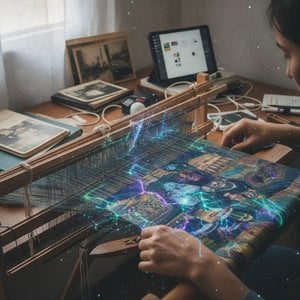
Elevate your home with WahooArt's bespoke AI-textured art. Transform cherished photos into hand-painted textile masterpieces through a seamless fusion of cutting-edge technology and classical craftsmanship. Discover timeless, luxury heirlooms designed to preserve your personal legacy.

 실제 크기로 보기
 보내기
보내기 공유하기
공유하기
 상세 보기
상세 보기 가이드 보기

 이미지 다운로드
 유사 작품 더 보기
 X-레이
X-레이 슬라이드 쇼 보기
 통계 정보
통계 정보


 상세 보기
상세 보기









 유리 옵션은 110cm 미만 크기에서만 선택 가능합니다.


