
x


작품의 원본 비율을 유지하는 미리 설정된 크기 중에서 선택하세요.

특정 프레임이나 공간에 맞도록 직접 크기를 입력할 수 있습니다. 선택하신 크기가 원본 이미지의 비율과 일치하지 않는 경우, 작품을 자르거나 추가적인 손으로 그린 요소를 사용하여 그림을 확장합니다. 제작 시작 전 승인을 위해 디지털 목업을 보내드립니다.
화면 미리 보기는 실제 자르기 또는 확장을 반영하지 않습니다. 최종 구성은 목업을 통해서만 정확하게 확인하실 수 있습니다.
맞춤 크기 제작도 가능하지만, 원본 비율을 유지하기 위해 사전 정의된 목록에서 크기를 선택하시는 것을 권장합니다.

Joseph Charles Paul prince Napoleon
복제본 크기

Jean-Hippolyte Flandrin (1809–1864) remains a luminous figure in the pantheon of French Neoclassicism, an artist whose brush captured the profound intersection of spiritual devotion and classical grace. Born in Lyon, France, Flandrin’s journey was initially marked by a tension between familial duty and artistic destiny. While his parents envisioned a stable life for him within the realm of commerce, the creative spirit shared by his brothers, Augusto and Paul, proved irresistible. This early immersion in an environment of artistic pursuit laid the foundation for a career that would eventually transcend the boundaries of private studios to adorn the most sacred architectural spaces in France.
The trajectory of Fland_rin’s talent took a decisive turn in 1829 when he arrived in Paris to enter the legendary studio of Jean Auguste Dominique Ingres. Under the tutelage of this master of line and form, Flandrin refined a technique characterized by precision, clarity, and an almost sculptural approach to the human figure. This period of mentorship was transformative, instilling in him the Neoclassical ideals of purity and anatomical perfection that would define his aesthetic language. His ascent within the academic hierarchy was swift, punctuated by the prestigious Prix de Rome in 1832, a milestone that granted him five years of immersive study in Italy. It was amidst the ancient echoes of Rome that Flandrin’s style matured, absorbing the grandeur of classical antiquity and translating it into a modern, emotive vocabulary.
Flandrin’s oeuvre is a testament to his ability to navigate both the intimate and the monumental. His early works often focused on the delicate nuances of portraiture and the serene beauty of the human form in repose. A notable example, Jeune Homme Nu Assis au Bord de la Mer (1836), showcases his mastery of tonal gradation and light, presenting a scene of profound tranquility that earned him a permanent place within the esteemed collections of the Louvre. In these works, one observes a seamless blend of technical rigor and a soft, poetic atmosphere that invites deep contemplation.
As his career progressed, Flandrin moved toward larger-scale commissions that demanded a different level of narrative complexity. He became a master of the fresco, a medium that allowed him to integrate his art with the very fabric of religious architecture. His most enduring legacy lies in the monumental decorations for the cathedral of Nantes, where his biblical narratives breathe life into the stone. These works are not merely illustrations of scripture but are profound explorations of light, shadow, and divine presence, executed with a rhythmic grace that guides the viewer's eye through sacred history.
The significance of Hippolyte Flandrin extends far beyond his technical proficiency. He represented a bridge between the rigid traditions of the early 19th century and a more emotive, spiritually resonant form of painting. As a respected member of the Académie des Beaux-Arts, he helped uphold the standards of French excellence while contributing to the evolution of religious art during a period of significant social change.
To study Flandrin is to encounter an artist who found harmony in the balance of opposites:
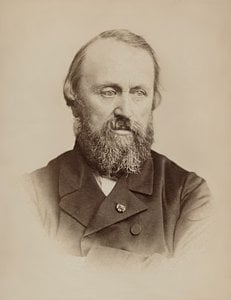
1809 - 1864 , France

Elevate your collection with the tactile elegance of hand-painted oil masterpieces. From bespoke reproductions to custom portraits from photography, discover museum-quality artistry crafted by academy-trained experts for discerning collectors and designers worldwide.

Explore the profound secrets of classical oil painting. From the delicate mastery of glazing to the dramatic depth of chiaroscuro, discover the timeless techniques used by Old Masters to create enduring, museum-quality masterpieces that capture light and emotion.

Discover the profound allure of oil on canvas. Explore the mastery of impasto textures, the science of pigment longevity, and expert guides to selecting museum-quality reproductions that elevate your collection with timeless elegance and tactile depth.

Discover the enduring allure of oil on canvas. Explore how master techniques like impasto and glazing create the depth, texture, and emotional resonance found in the world's greatest masterpieces. An essential guide for fine art enthusiasts and discerning collectors.

Discover the enduring allure of hand-painted oil reproductions. WahooArt offers museum-quality, archival masterpieces designed for discerning collectors seeking timeless beauty and a lasting legacy. Invest in fine art that transcends generations with our expert craftsmanship.


최신 미술 뉴스, 특별 혜택 및 인테리어 아이디어를 가장 먼저 만나보세요.
프로젝트에 대해 알려주시면 저희 미술 전문가들이 맞춤형 아트 제안 3가지를 전달해 드립니다.
당신만을 위한 맞춤형 옵션 3가지를 무료로 추천해 드립니다!


 미리보기
미리보기
 프린트 구매
 공유하기
공유하기 공유하기
공유하기
 상세 정보
상세 정보

 다운로드
다운로드
 유사 작품
유사 작품 X-레이
X-레이 슬라이드 쇼
 더 보기
더 보기






































 유리 옵션은 110cm 미만 크기에서만 선택 가능합니다.


