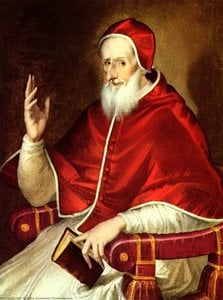
Oil On CanvasWallArtMannerism
 1650Early Modern
 37.0 x 70.0 cm
 에르미타주 박물관
원하는 크기와 액자로 주문 제작되는, 작가들이 직접 캔버스에 손으로 그린 유화 작품입니다. ( 프린트 판매로 전환 디지털 이미지로 전환)





























작품의 원본 비율을 유지하는 미리 설정된 크기 중에서 선택하세요.

특정 프레임이나 공간에 맞도록 직접 크기를 입력할 수 있습니다. 선택하신 크기가 원본 이미지의 비율과 일치하지 않는 경우, 작품을 자르거나 추가적인 손으로 그린 요소를 사용하여 그림을 확장합니다. 제작 시작 전 승인을 위해 디지털 목업을 보내드립니다.
화면 미리 보기는 실제 자르기 또는 확장을 반영하지 않습니다. 최종 구성은 목업을 통해서만 정확하게 확인하실 수 있습니다.
맞춤 크기 제작도 가능하지만, 원본 비율을 유지하기 위해 사전 정의된 목록에서 크기를 선택하시는 것을 권장합니다.

Carrying the Cross
복제본 크기
To stand before this monumental depiction of Carrying the Cross is to be enveloped by an atmosphere thick with solemnity and profound human endurance. The scene unfolds as a powerful tableau vivant, capturing not merely an event, but the very weight of collective faith. We are drawn into the heart of a town square, where the architectural backdrop frames a deeply personal journey. Observe the multitude—at least fourteen figures coalesce around the central burden of the cross. Each individual possesses a distinct posture, a unique expression etched onto their face, suggesting a spectrum of devotion ranging from weary resignation to fervent commitment. The composition itself is masterful, guiding the viewer's eye along the path of suffering and shared purpose.
This work bears the unmistakable signature of Hieronymus Francken, a Flemish maestro whose command over narrative painting is evident in every brushstroke. Working around 1650, though drawing from an earlier period of his life (his active years spanned the late 16th and early 17th centuries), Francken imbues this piece with a rich Mannerist sensibility blended with emerging Baroque drama. The technique, executed in oil on canvas, allows for breathtaking depth; notice how the light seems to emanate from an unseen source, catching the folds of drapery and highlighting the sweat on determined brows. His understanding of perspective is impeccable, drawing the viewer deep into the painted space, past the immediate foreground and toward the distant, majestic mountains that anchor the entire composition in a sense of timeless grandeur.
The symbolism here is multilayered, speaking to themes that transcend mere historical recounting. The cross itself is the undeniable focal point, representing sacrifice, redemption, and the ultimate burden carried by humanity. Yet, it is not just the object; it is the procession that holds the meaning. The grouping of people—the mix of ages, social standings implied by their dress—symbolizes the universal nature of faith and shared human struggle. The town square, with its blend of civic architecture and spiritual weight, becomes a microcosm for the soul itself: structured yet capable of profound emotional outpouring. It invites contemplation on what we are willing to carry in our own lives.
For the collector or designer seeking art that speaks volumes without uttering a word, this piece offers unparalleled emotional resonance. The sheer scale and dramatic energy make it a commanding focal point for any grand hall or contemplative space. Reproducing such a work allows one to bring home not just paint on canvas, but an entire historical moment—a meditation on fortitude. It is art that demands you slow down, to feel the weight of the journey alongside the figures, connecting the viewer emotionally to Francken's enduring vision of human spirit under duress.

In the vibrant, bustling heart of 16th-century Antwerp, a period defined by artistic flourishing and cultural transition, Hieronymus Francken I emerged as a master of courtly grace and religious intensity. Born in 1540 in Herentals, Belgium, he was destined for a life steeped in the pigments and palettes of the great Flemish tradition. As a member of the illustrious Francken dynasty, his very identity was woven into the fabric of Antwerp’s artistic elite. He was the son of Nicolaes Francken, a painter who laid the groundwork for a family legacy that would dominate the regional art scene for generations. Alongside his brothers, Frans Francken I and Ambrosius Francken I, Hieronymus helped establish a lineage of excellence that bridged the gap between the late Renaissance and the burgeoning Baroque era.
The formative years of Hieronymus were shaped by the rigorous training of the Antwerp school, most notably under the mentorship of the legendary Frans Floris. From Floris, Francken inherited a sophisticated command of perspective and a profound understanding of compositional balance, elements that would become the hallmarks of his mature style. While historical records suggest he may have traversed the landscapes of Italy, absorbing the classical ideals of the Italian Renaissance, his true genius lay in his ability to synthesize these foreign influences with the expressive, often restless energy of Mannerism. This fusion allowed him to create works that were not merely decorative but possessed a psychological depth and a rhythmic vitality that captivated both the clergy and the nobility.
Hieronymus Francken I achieved a level of prestige that few of his contemporaries could claim, finding great success as a court painter for the French monarchs Henry IV and Louis XIII. His presence at the court of Fontainebleau placed him at the epicenter of European artistic patronage, where he was tasked with decorating palaces and immortalizing the grandeur of royal life. In these monumental canvases, one observes a meticulous attention to detail—the shimmer of silk, the intricate patterns of lace, and the dignified posture of the aristocracy. His ability to capture the formal elegance of courtly gatherings, often featuring dancing figures and aristocratic processions, anticipated the genre painting that would flourish in the 17th century.
Yet, his mastery was not confined to the secular splendor of the palace; he was equally adept at navigating the profound emotional landscapes of religious iconography. His sacred works, such as The Last Judgment and Carrying the Cross, demonstrate a dramatic use of light and shadow, a technique that would later become central to the Baroque movement. In these pieces, Francken utilized muscular, dynamic figures and sweeping compositions to evoke a sense of divine awe and human suffering. Whether depicting the biblical gravity of a judgment or the delicate moral lessons found in works like Wise and Foolish Maidens, his brushwork remained imbued with a certain Mannerist tension—a sophisticated interplay of grace and drama.
The historical importance of Hieronymus Francken I lies in his role as a transitional figure who helped steer Flemish art from the structured elegance of the Renaissance toward the emotive power of the Baroque. He was a painter of dualities: capable of the delicate, almost ornamental beauty required for courtly decoration, yet possessed of the technical strength to execute heavy, theological narratives. His career serves as a vital link in the evolution of Northern European painting, providing a foundation upon which his descendants and successors would build.
To reflect on the breadth of his contribution is to recognize the following:
Though he passed away in 1610, leaving behind a body of work that continues to resonate with its technical brilliance and narrative depth, the influence of Hieronymus Francken I remains etched in the history of Flemish art. He remains a painter of profound sophistication, a man who could capture both the fleeting joy of a courtly dance and the eternal weight of a divine decree.

1540 - 1610 , Belgium

Discover the profound allure of oil on canvas. Explore the mastery of impasto textures, the science of pigment longevity, and expert guides to selecting museum-quality reproductions that elevate your collection with timeless elegance and tactile depth.

Explore the exquisite precision of Flemish painting. From Jan van Eyck to Robert Campin, discover the revolutionary oil techniques and rich symbolism that defined the Northern Renaissance and continue to inspire fine art collectors today.

Discover the enduring allure of hand-painted oil reproductions. WahooArt offers museum-quality, archival masterpieces designed for discerning collectors seeking timeless beauty and a lasting legacy. Invest in fine art that transcends generations with our expert craftsmanship.


 미리보기
미리보기
 공유하기
공유하기 공유하기
공유하기
 상세 정보
상세 정보

 다운로드
다운로드
 유사 작품
유사 작품 X-레이
X-레이 슬라이드 쇼
 통계 정보
통계 정보 더 보기
더 보기









 유리 옵션은 110cm 미만 크기에서만 선택 가능합니다.