
 Acrylic On CanvasWallArtNorthern Renaissance
 Late Medieval
 71.0 x 71.0 cm
 반 고흐 미술관
원하는 크기와 액자로 주문 제작되는, 작가들이 직접 캔버스에 손으로 그린 유화 작품입니다. ( 프린트 판매로 전환 디지털 이미지로 전환)





























작품의 원본 비율을 유지하는 미리 설정된 크기 중에서 선택하세요.

특정 프레임이나 공간에 맞도록 직접 크기를 입력할 수 있습니다. 선택하신 크기가 원본 이미지의 비율과 일치하지 않는 경우, 작품을 자르거나 추가적인 손으로 그린 요소를 사용하여 그림을 확장합니다. 제작 시작 전 승인을 위해 디지털 목업을 보내드립니다.
화면 미리 보기는 실제 자르기 또는 확장을 반영하지 않습니다. 최종 구성은 목업을 통해서만 정확하게 확인하실 수 있습니다.
맞춤 크기 제작도 가능하지만, 원본 비율을 유지하기 위해 사전 정의된 목록에서 크기를 선택하시는 것을 권장합니다.

The Wayfarer
복제본 크기
Hieronymus Bosch’s *The Wayfarer*, a captivating oil on oak panel measuring 71 x 71 cm, is more than just a depiction of a man traveling through the countryside; it’s a profound meditation on life’s journey, morality, and the choices that define our path. Created around 1500-1502, this work stands as a testament to Bosch's unique artistic voice—a voice steeped in symbolism, fantasy, and an unsettling awareness of human frailty. Originally part of a larger triptych, now fragmented with pieces scattered across prominent museums, *The Wayfarer* retains its power even in isolation, drawing viewers into a world both familiar and deeply strange.
Bosch’s genius lies not merely in his technical skill but in his masterful use of symbolism. The central figure, an aging man burdened with a staff and a substantial pack, immediately evokes the archetype of the pilgrim or wanderer. His clothing is worn and patched, hinting at hardship and perhaps even spiritual struggle. The wound on his leg, bandaged yet visible, suggests past suffering and ongoing vulnerability. Around him, the landscape teems with life—dogs, cows, birds—yet these creatures don’t offer comfort; they seem to observe with a detached indifference, or even a subtle menace. The tumbledown building in the background, marked by a swan sign, could represent a fleeting moment of respite or a deceptive promise of worldly pleasure. The fence towards which he walks doesn't appear as a boundary but rather an invitation into an unknown future. It’s crucial to remember that Bosch wasn’t simply illustrating a scene; he was constructing a complex allegory, inviting viewers to decipher the hidden meanings embedded within every detail.
Bosch's technique is characterized by meticulous attention to detail and an extraordinary ability to create atmosphere. He employed oil paints with remarkable finesse, building up layers of color and texture to achieve a luminous quality that draws the eye into the scene. The circular format of *The Wayfarer*—a result of its original triptych construction being altered—adds to its intimate and contemplative feel. His style is distinctly Netherlandish, yet utterly unique. While influenced by earlier masters, Bosch transcended conventional artistic boundaries, forging a path that would inspire generations of artists with his fantastical imagery and psychological depth. The painting’s relatively small size belies the vastness of the world it contains—a testament to Bosch's ability to distill complex ideas into a concentrated visual experience.
Hieronymus Bosch remains one of art history’s most enigmatic figures. Born in ’s-Hertogenbosch, Netherlands around 1450, his life is shrouded in mystery, with limited biographical details adding to the allure surrounding his work. His paintings were highly sought after during his lifetime and continued to be copied and disseminated widely, influencing artists like Pieter Bruegel the Elder. Today, *The Wayfarer*—and Bosch’s oeuvre as a whole—continues to captivate audiences with its unsettling beauty and profound philosophical questions. Owning a hand-painted reproduction of this masterpiece allows one to engage directly with Bosch's vision, inviting contemplation on the human condition and the enduring mysteries of life’s journey.


1450 - 1516 , 네덜란드

Embark on a scholarly journey through the sacred beauty of High Medieval art. Discover the profound symbolism, luminous iconography, and spiritual depth of Gothic masterpieces in this expert guide for classical art enthusiasts.
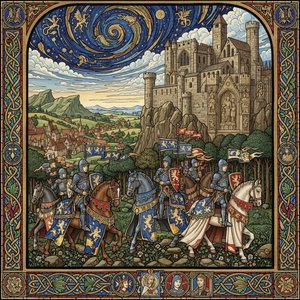
Explore the profound beauty of medieval art through the lens of history. Discover the symbolism of knights, the divine frescoes of Giotto, and how legendary masterpieces continue to inspire modern collectors and lovers of chivalric heritage.

Embark on a scholarly journey through the spiritual grandeur of Late Medieval art. Discover the intricate symbolism, technical mastery, and profound religious narratives that define the Gothic era in this expert-led guide for art enthusiasts and collectors.

Embark on a visual journey through Early Medieval art. Explore the profound beauty of illuminated manuscripts, sacred symbols, and golden light through an expert historical lens, celebrating the enduring legacy of medieval craftsmanship and divine artistry.


 미리보기
미리보기
 공유하기
공유하기 공유하기
공유하기
 상세 정보
상세 정보

 다운로드
다운로드
 유사 작품
유사 작품 X-레이
X-레이 슬라이드 쇼
 통계 정보
통계 정보 더 보기
더 보기









 유리 옵션은 110cm 미만 크기에서만 선택 가능합니다.


