
x


 Oil On CanvasWallArtNorthern Renaissance
 65.0 x 53.0 cm




























작품의 원본 비율을 유지하는 미리 설정된 크기 중에서 선택하세요.

특정 프레임이나 공간에 맞도록 직접 크기를 입력할 수 있습니다. 선택하신 크기가 원본 이미지의 비율과 일치하지 않는 경우, 작품을 자르거나 추가적인 손으로 그린 요소를 사용하여 그림을 확장합니다. 제작 시작 전 승인을 위해 디지털 목업을 보내드립니다.
화면 미리 보기는 실제 자르기 또는 확장을 반영하지 않습니다. 최종 구성은 목업을 통해서만 정확하게 확인하실 수 있습니다.
맞춤 크기 제작도 가능하지만, 원본 비율을 유지하기 위해 사전 정의된 목록에서 크기를 선택하시는 것을 권장합니다.

The Conjuror
복제본 크기
Hieronymus Bosch remains one of art history's most perplexing figures, an artist whose unsettling visions continue to captivate audiences centuries after his death in 1516. Born around 1450 in ’s-Hertogenbosch, Brabant—a region grappling with religious anxieties and burgeoning societal change—Bosch’s oeuvre defies easy categorization, presenting a landscape of grotesque figures, fantastical creatures, and meticulously rendered details that simultaneously repel and intrigue.
“The Conjurer,” painted circa 1502, exemplifies Bosch's distinctive style. Executed in oil on wood, the painting depicts a man dressed in scarlet robes standing beside a table laden with symbolic objects: a tennis racket, a bowl containing fruit, a wine glass, and two clocks—one positioned prominently near the upper left corner, the other lower right.
The symbolism embedded within “The Conjurer” is multilayered and profoundly disturbing. The tennis racket represents manipulation and deceit—a tool wielded by the conjurer to control his audience. The fruit symbolizes temptation and decay, mirroring Bosch’s preoccupation with themes of mortality and corruption. Crucially, the clocks serve as potent reminders of time's relentless passage and the inevitability of judgment.
More than just a visual spectacle, “The Conjurer” operates on an emotional level, provoking feelings of unease and apprehension. Bosch’s masterful use of color—particularly scarlet—intensifies the painting’s unsettling atmosphere, drawing viewers into a realm where rationality yields to irrationality and beauty is subsumed by grotesquery. It's a work that compels contemplation, prompting us to confront uncomfortable truths about human nature and the perils of spiritual complacency.
Ultimately, Bosch’s “The Conjurer” transcends its historical context, resonating with viewers across generations due to its enduring exploration of fundamental anxieties concerning faith, morality, and the human condition. It stands as a cornerstone of Northern Renaissance art—a chilling reminder that beauty can coexist with terror and that true understanding requires venturing beyond the confines of conventional perception.


1450 - 1516 , 네덜란드
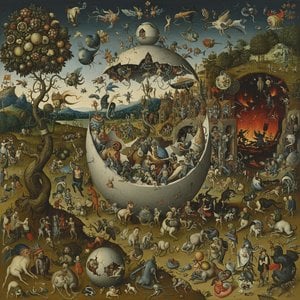
히에로니무스 보쉬의 최고 걸작 25점을 만나보세요. 중세 미술 거장의 신비로운 상상력과 종교적 상징이 담긴 명작들을 감상하고, 오일 페인팅 기법과 독특한 화풍을 탐구하세요. WahooArt.com에서 고품질 복제화와 인테리어 액자로 예술 작품을 소장하세요.

Explore the captivating world of Hieronymus Bosch! Delve into the symbolism, religious context, and artistic innovation of this Netherlandish master with WahooArt's expert analysis. Discover his iconic paintings & lasting influence.

Explore the captivating world of Magic Realism! Discover its origins, key artists like García Márquez & Colunga Marín, and how it blends reality with the fantastical. Expert insights & high-quality art reproductions at WahooArt.

프라도 미술관 최고 걸작 25선을 만나보세요. 벨라스케스, 고야, 엘 그레코 등 거장들의 숨겨진 이야기와 명화의 아름다움을 탐험합니다. 유럽 미술의 정수를 WahooArt.com에서 감상하고, 특별한 인테리어 액자로 예술을 경험하세요.
Journey into the world of Early Netherlandish painting! Explore 10 masterpieces by Jan van Eyck, Rogier van der Weyden & more. Discover stunning detail, symbolism & Renaissance art for your home decor. Find museum-quality reproductions on WahooArt.com


최신 미술 뉴스, 특별 혜택 및 인테리어 아이디어를 가장 먼저 만나보세요.
프로젝트에 대해 알려주시면 저희 미술 전문가들이 맞춤형 아트 제안 3가지를 전달해 드립니다.
당신만을 위한 맞춤형 옵션 3가지를 무료로 추천해 드립니다!


 미리보기
미리보기
 프린트 구매
 공유하기
공유하기 공유하기
공유하기
 상세 정보
상세 정보

 다운로드
다운로드
 유사 작품
유사 작품 X-레이
X-레이 슬라이드 쇼
 더 보기
더 보기









 유리 옵션은 110cm 미만 크기에서만 선택 가능합니다.


