작가 약력
Hieronymus Bosch (c. 1450-1516): Dutch Renaissance Master of Surrealism & Symbolism
Hieronymus Bosch remains one of art history’s most perplexing figures—a Netherlandish genius whose unsettling visions continue to captivate audiences centuries after his death in 1516. Born around 1450 in ’s-Hertogenbosch, Duchy of Brabant, he emerged from a family steeped in artistic tradition, inheriting techniques and conventions from his grandfather and father—Jan van Aken and Anthonius van Aken respectively. Biographical details are frustratingly sparse; records offer only fragments, fueling speculation about his life and fostering an aura of mystery surrounding both the man and his extraordinary oeuvre. Despite the paucity of verifiable facts, Bosch’s artistic output speaks volumes about his profound engagement with medieval religious thought, folklore, and a burgeoning awareness of societal anxieties—elements that coalesced into his singularly disturbing aesthetic vision.
Early Training & Family Legacy
Bosch's formative years were spent within the family workshop, absorbing the foundational skills necessary for mastering oil painting on oak panels—a medium favored by artists of his era. His artistic lineage extended back several generations, establishing a tradition of visual storytelling rooted in meticulous realism and expressive detail. However, even amidst these established practices, Bosch demonstrated an inclination toward divergence from convention—a foreshadowing of the revolutionary imagination that would propel him to artistic prominence. Marriage to Aleyt Goyaerts van den Meerveen around 1481 provided him with some financial stability, yet little else is documented concerning his personal life—leaving much open to interpretation and contributing to the enduring fascination surrounding Bosch’s enigmatic existence.
Fantastical Visions & Symbolic Language
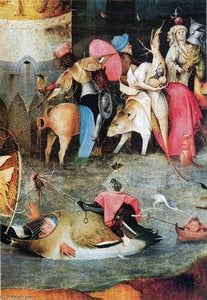
Bosch's artistic style distinguishes itself instantly—a mesmerizing fusion of meticulous observation and deliriously imaginative imagery. He eschewed mere imitation, forging a profoundly original aesthetic that defied categorization. His paintings transcend representational accuracy; they are allegorical landscapes populated by bizarre creatures—grotesque demons, fantastical animals—and unsettling scenes reminiscent of dreams or nightmares. These figures aren’t merely decorative elements but embodiments of vice, temptation, and spiritual corruption—reflecting the anxieties prevalent during his time concerning heresy and social upheaval. Bosch skillfully blended sacred and profane imagery, creating a disconcerting juxtaposition that continues to resonate with viewers today. His use of oil on oak panels achieved luminous colors and intricate textures, demonstrating mastery over the medium and elevating his work beyond conventional artistic standards.
Iconic Masterpieces & Artistic Influences
Bosch’s most celebrated achievements include The Garden of Earthly Delights (c. 1490-1510)—a triptych that remains one of art history's most debated and enigmatic works—and The Last Judgement Triptych (c. 1480-1490). These monumental canvases depict the afterlife with terrifying grandeur, confronting viewers with visions of paradise, earthly indulgence, and eternal damnation. The central panel portrays a harrowing depiction of Judgment Day—a scene fraught with symbolism and conveying profound theological concepts. Bosch’s influence extends beyond his contemporaries; he paved the way for Surrealist artists like Salvador Dalí and Max Ernst who embraced dreamlike imagery and explored the subconscious mind—solidifying his position as a pivotal figure in artistic innovation. Pieter Bruegel the Elder, another Netherlandish painter of considerable renown, adopted similar thematic concerns and compositional techniques—demonstrating Bosch’s enduring impact on subsequent generations of artists.
Historical Significance & Legacy
Bosch's contribution to art history transcends stylistic experimentation; he interrogated fundamental questions about faith, morality, and human nature—challenging prevailing beliefs and fostering a critical engagement with religious dogma. His unsettling visions served as a powerful critique of societal norms—reflecting the anxieties surrounding heresy and social instability that characterized his era. Bosch’s legacy persists in contemporary art—where artists continue to grapple with themes of transgression, desire, and spiritual disillusionment—affirming his enduring influence on artistic expression across centuries. He remains an artist whose work compels contemplation and inspires debate—a testament to his singular genius and a cornerstone of Netherlandish Renaissance art.