Acrylic On CanvasWallArtLate Medieval Symbolism
 1475
1475 71.0 x 61.0 cm
 Städelsche Kunstinstitut
빠른 제작과 다양한 마감 옵션을 선택할 수 있는 박물관 수준의 지클레이 및 캔버스 프린트. ( 수작업 채색 복제본 주문하기 디지털 이미지 판매 채널로 전환)





























작품의 원본 비율을 그대로 유지하는 프리셋 사이즈 중에서 선택해 보세요.

액자나 벽면 크기에 맞춰 필요한 가로와 세로 길이를 입력해 주세요. 프린트는 원본 이미지보다 크게 제작할 수 없으며 오직 자르는 것만 가능하므로, 비율이 다른 사이즈를 선택할 경우 이미지의 일부가 잘려 나갈 수 있습니다. 인쇄 작업에 들어가기 전, 최종 확인을 위해 디지털 목업을 보내드립니다. 이 페이지에 표시된 이미지는 실제 잘리는 영역을 나타내지 않으며, 오직 목업을 통해서만 정확한 확인이 가능합니다.
Ecce Homo
복제본 규격
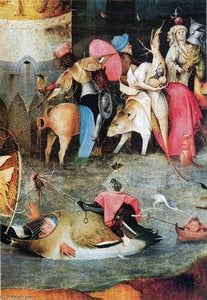
Hieronymus Bosch’s “Ecce Homo,” painted in 1475, is not merely a depiction of the crucifixion; it’s a visceral plunge into the anxieties and moral complexities of late medieval Europe. This arresting image, rendered in tempera on wood panel, immediately confronts the viewer with an unsettling tableau – a scene of profound sorrow and bewildered horror surrounding the figure of Christ. Bosch, a master of psychological realism and symbolic density, doesn't offer a straightforward narrative of sacrifice; instead, he presents a fragmented, almost hallucinatory experience, reflecting the turbulent spiritual climate of his time.
The painting’s setting is deceptively simple: a brick wall, likely representing the Roman edge of Jerusalem, serves as a stark backdrop to the drama unfolding before it. A small crowd gathers – soldiers in gleaming armor, their faces etched with confusion and perhaps even fear; priests and monks, their expressions a mixture of grief and contemplation; and ordinary citizens, frozen in moments of stunned disbelief. The central figure of Christ, hanging on the cross, is not idealized or serene. His face, rendered with an almost brutal honesty, bears the marks of suffering – wounds, contusions, and a palpable sense of agony. It’s this unflinching portrayal of human vulnerability that anchors the scene and elevates it beyond a simple religious illustration.
Bosch was renowned for his intricate use of symbolism, and “Ecce Homo” is a prime example. The swords scattered across the foreground are not simply indicators of violence; they represent the betrayal and bloodshed inherent in Christ’s sacrifice. The presence of animals – a dog licking the feet of Christ (a common symbol of repentance), and a monkey grasping a sword – adds layers of meaning, hinting at the corruption and moral decay within society. The figures themselves are often ambiguous, their gestures and expressions open to multiple interpretations. Some scholars believe the woman pointing at Christ is Mary Magdalene, while others see her as representing the collective grief of humanity. Even the brick wall itself can be interpreted as a barrier between the earthly realm and the divine, emphasizing the separation between God and man.
Furthermore, Bosch’s distinctive style – characterized by meticulous detail, vibrant colors (though faded over time), and an unsettling blend of realism and fantasy – contributes significantly to the painting's emotional impact. The figures are rendered with a remarkable degree of naturalism, yet their expressions and postures convey a sense of unease and disorientation. The background is filled with bizarre, dreamlike imagery—a small, grotesque figure seemingly observing the scene from above—further enhancing the painting’s surreal quality.
Bosch's technique in “Ecce Homo” reveals a skilled artist deeply rooted in the traditions of Netherlandish painting. He employed tempera on wood panel, a medium known for its luminosity and durability. The meticulous detail evident in the rendering of the figures’ clothing, armor, and facial features demonstrates his mastery of observation and representation. However, Bosch pushed beyond mere imitation; he used these techniques to create a world imbued with symbolic meaning and psychological depth.
Painted around 1475, “Ecce Homo” reflects the anxieties prevalent in Europe during this period – a time of religious upheaval, political instability, and growing social unrest. The Black Death had ravaged the continent just decades earlier, leaving a deep scar on the collective psyche. Bosch’s art often explored themes of sin, damnation, and the perils of earthly life, reflecting a widespread sense of moral uncertainty. “Ecce Homo” stands as a powerful testament to this era, offering a haunting glimpse into the spiritual and emotional landscape of 15th-century Europe.
WahooArt offers exquisite, hand-painted reproductions of Hieronymus Bosch’s “Ecce Homo,” meticulously crafted to capture the painting's original beauty and symbolic richness. Bring this extraordinary work of art into your home or office – a captivating conversation piece that invites contemplation and reflection.
헤라클레스 보스흐의 "Ecce Homo"의 재료는 Acrylic On Canvas이며, 제작 연도는 1475년입니다.
전반적으로 "Ecce Homo"의 밝기는 shadow로 기록되었습니다. 인지된 밝기는 작품이 얼마나 밝거나 어둡게 보이는지를 나타냅니다.
Ecce Homo의 원작은 Städelsche Kunstinstitut, Frankfurt, Germany에서 관람하실 수 있습니다.


1450 - 1516 , 네덜란드

Embark on a visual journey through Early Medieval art. Explore the profound beauty of illuminated manuscripts, sacred symbols, and golden light through an expert historical lens, celebrating the enduring legacy of medieval craftsmanship and divine artistry.
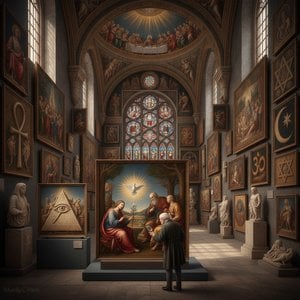
Explore the profound power of religious symbolism in art history. From Renaissance masterpieces to sacred iconography, uncover the hidden meanings behind divine details in a deep dive into classical art excellence.
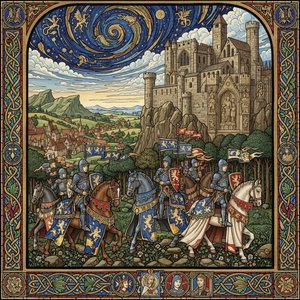
Explore the profound beauty of medieval art through the lens of history. Discover the symbolism of knights, the divine frescoes of Giotto, and how legendary masterpieces continue to inspire modern collectors and lovers of chivalric heritage.

Embark on a scholarly journey through the sacred beauty of High Medieval art. Discover the profound symbolism, luminous iconography, and spiritual depth of Gothic masterpieces in this expert guide for classical art enthusiasts.

Embark on a scholarly journey through the spiritual grandeur of Late Medieval art. Discover the intricate symbolism, technical mastery, and profound religious narratives that define the Gothic era in this expert-led guide for art enthusiasts and collectors.

 실제 크기로 보기
 보내기
보내기 공유하기
공유하기
 상세 보기
상세 보기 가이드 보기

 이미지 다운로드
 유사 작품 더 보기
 X-레이
X-레이 슬라이드 쇼 보기
 통계 정보
통계 정보 상세 보기
상세 보기









 유리 옵션은 110cm 미만 크기에서만 선택 가능합니다.