AcrylicWallArtNorthern Renaissance
 Early Medieval
 285.0 x 205.0 cm
 그라피셰 살람베르타 광장 박물관
빠른 제작과 다양한 마감 옵션을 선택할 수 있는 박물관 수준의 지클레이 및 캔버스 프린트. ( 수작업 채색 복제본 주문하기 디지털 이미지 판매 채널로 전환)





























작품의 원본 비율을 그대로 유지하는 프리셋 사이즈 중에서 선택해 보세요.

액자나 벽면 크기에 맞춰 필요한 가로와 세로 길이를 입력해 주세요. 프린트는 원본 이미지보다 크게 제작할 수 없으며 오직 자르는 것만 가능하므로, 비율이 다른 사이즈를 선택할 경우 이미지의 일부가 잘려 나갈 수 있습니다. 인쇄 작업에 들어가기 전, 최종 확인을 위해 디지털 목업을 보내드립니다. 이 페이지에 표시된 이미지는 실제 잘리는 영역을 나타내지 않으며, 오직 목업을 통해서만 정확한 확인이 가능합니다.
Beggars
복제본 규격
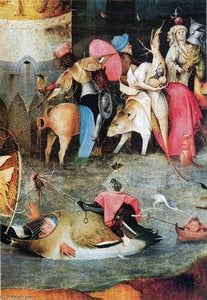
Hieronymus Bosch's "Beggars," a meticulously rendered pen and ink drawing, isn’t merely a depiction of poverty; it’s a profound meditation on human nature, steeped in the anxieties and moral complexities of late medieval Europe. Created around 1500, this work transcends its subject matter to become a haunting allegory, reflecting Bosch's signature blend of meticulous realism with fantastical and unsettling imagery—a visual vocabulary that continues to captivate and disturb centuries later. The drawing’s stark monochrome palette – shades of gray and white – immediately establishes an atmosphere of solemnity and unease, mirroring the hardship depicted within its crowded composition. It’s a scene not of simple charity, but of a deeper, more unsettling truth about societal structures and human vulnerability.
Bosch's genius lies in his ability to imbue everyday subjects with symbolic weight. The figures sprawled across the frame—beggars, crippled individuals, and those seemingly lost in contemplation—are not simply portraits of the destitute; they represent a broader critique of societal failings. The sheer density of the scene, achieved through overlapping forms and intricate hatching techniques, creates a claustrophobic effect, mirroring the feeling of entrapment experienced by these marginalized members of society. The lack of a clear focal point forces the viewer to confront the multitude of sorrows represented, demanding an active engagement with the artwork’s unsettling narrative.
“Beggars” is a testament to Bosch's extraordinary technical skill. The work is dominated by fine, precise lines—a hallmark of his meticulous penmanship. Bosch masterfully employs hatching and cross-hatching techniques to build up tonal values and define the forms of the figures with remarkable detail. This painstaking process creates an illusion of texture and volume, giving a tangible quality to the seemingly frail bodies depicted. The varying pressure applied to the quill results in subtle shifts in tone, mimicking the play of light and shadow—a sophisticated technique that elevates the drawing beyond simple representation.
The choice of pen and paper is crucial to understanding the artwork’s character. The delicate lines evoke a sense of fragility and vulnerability, mirroring the plight of the subjects depicted. The stark contrast between the dark ink and the white paper creates an almost theatrical effect, emphasizing the figures' isolation and despair. It’s a deliberate choice that underscores the drawing’s emotional intensity.
As with much of Bosch’s oeuvre, “Beggars” is laden with symbolic meaning—though its precise interpretations remain open to debate. The figures themselves can be seen as representations of sin, temptation, or the consequences of moral decay. The presence of animals – a recurring motif in Bosch's work – adds another layer of complexity, suggesting a blurring of boundaries between humanity and the natural world. Some scholars have linked the scene to biblical narratives of judgment and punishment, while others interpret it as a commentary on the social injustices prevalent during Bosch’s time.
The overall effect is profoundly unsettling—a visual representation of human suffering and the potential for corruption within society. “Beggars” isn't simply a depiction of poverty; it’s an invitation to confront uncomfortable truths about ourselves and the world around us, a timeless reminder of the enduring challenges faced by those on the margins of society.


1450 - 1516 , 네덜란드
Embark on a profound journey through the soul of Chinese calligraphy. Explore the historical mastery of ink, brush, and script, from ancient Zhuanshu to elegant running script, and discover how this timeless art form reflects the enduring spirit of classical East Asian aesthetics.
Embark on a sophisticated exploration of ink wash painting and Sumi-e. Uncover the profound historical lineages, Zen philosophies, and technical mastery behind this timeless medium in our authoritative guide for fine art enthusiasts.

Discover the sophisticated mastery of graphite drawing. Explore expert techniques for achieving profound depth, intricate texture, and hyper-realistic detail through the alchemy of carbon, curated for the discerning art enthusiast and professional collector.

Explore the profound artistry of graphite drawing. Discover professional techniques for mastering depth, texture, and detail through a lens of art history, from classical sketches to modern masterpieces. Elevate your understanding of the pencil medium with our expert guide.

Elevate your artistic practice with this expert guide to mastering the line. Discover advanced techniques in graphite, charcoal, and contour drawing designed for art students seeking technical precision and expressive depth in their fine art studies.

 실제 크기로 보기
 보내기
보내기 공유하기
공유하기
 상세 보기
상세 보기 가이드 보기

 이미지 다운로드
 유사 작품 더 보기
 X-레이
X-레이 슬라이드 쇼 보기
 통계 정보
통계 정보 상세 보기
상세 보기









 유리 옵션은 110cm 미만 크기에서만 선택 가능합니다.