

 나무 패널 위 템페라북유럽 르네상스
 1480후기 중세
 120.0 x 150.0 cm
 프라도 미술관
빠른 제작과 다양한 마감 옵션을 선택할 수 있는 박물관 수준의 지클레이 및 캔버스 프린트. ( 수작업 채색 복제본 주문하기 디지털 이미지 판매 채널로 전환)





























작품의 원본 비율을 그대로 유지하는 프리셋 사이즈 중에서 선택해 보세요.

액자나 벽면 크기에 맞춰 필요한 가로와 세로 길이를 입력해 주세요. 프린트는 원본 이미지보다 크게 제작할 수 없으며 오직 자르는 것만 가능하므로, 비율이 다른 사이즈를 선택할 경우 이미지의 일부가 잘려 나갈 수 있습니다. 인쇄 작업에 들어가기 전, 최종 확인을 위해 디지털 목업을 보내드립니다. 이 페이지에 표시된 이미지는 실제 잘리는 영역을 나타내지 않으며, 오직 목업을 통해서만 정확한 확인이 가능합니다.
7대 죄악
복제본 규격
Created around 1480, this captivating artwork presents a complex allegorical scene centered on the popular medieval motif of “The Wheel of Fortune.” More than just a visually striking composition, it’s a profound meditation on the cyclical nature of life, the unpredictable hand of fate, and the enduring struggle between virtue and vice. This piece offers a compelling glimpse into the anxieties and beliefs of late 15th-century Europe.
The artwork's central focus is a large, meticulously rendered circular wheel set against a dramatically dark background. Within each segment of the wheel, miniature scenes unfold, depicting humanity’s fluctuating fortunes – moments of prosperity and success juxtaposed with episodes of hardship and downfall. This visual representation embodies the belief that life is inherently unstable, constantly shifting between joy and sorrow. Surrounding the wheel are inscriptions, likely in Latin, hinting at scholarly and religious interpretations. Above and below, scenes of ascension towards heaven and judgement further emphasize themes of salvation and consequence.
Executed with remarkable detail, this work exemplifies the characteristics of early Netherlandish painting. The artist, Hieronymus Bosch, masterfully employs a meticulous technique – likely tempera or oil on panel – to create a richly detailed surface. While perspective isn’t employed in a strictly realistic manner, it serves the symbolic intent, emphasizing the hierarchical importance of figures within the composition. A restrained yet vibrant color palette—rich reds, blues, greens, and golds—draws the eye to key elements, enhancing the artwork's narrative power.
Hieronymus Bosch was a unique voice in 15th-century art, renowned for his imaginative and often unsettling imagery. His work reflects the religious fervor and moral concerns of the period, offering a visual sermon on the transience of earthly pleasures and the inevitability of divine judgement. “The Wheel of Fortune” motif itself was deeply ingrained in medieval thought, representing both the arbitrary nature of fate and the potential for spiritual redemption.
This artwork evokes a powerful emotional response – a blend of awe, anxiety, and contemplation. The sheer complexity of the composition invites prolonged viewing, encouraging viewers to decipher its layers of meaning. As a statement piece in any interior, it adds depth, intellectual curiosity, and a touch of historical gravitas. Its dark palette provides a striking contrast against lighter backgrounds, making it suitable for both traditional and contemporary settings. A reproduction of this work is not merely a decorative element; it’s an invitation to engage with centuries of artistic and philosophical thought.
"7대 죄악"의 복제본은 거실 공간에 잘 어울립니다.
"7대 죄악" 작품은 리넨 캔버스 위에 손으로 직접 그린 유화 복제화로 만나보실 수 있습니다. 주문은 수작업 유화 복제화 페이지에서 가능하며, 다양한 사이즈를 선택하실 수 있습니다.
호환 가능한 기기에서 증강 현실(AR) 기능을 사용하면, 작품의 AR 미리보기 페이지를 통해 헤라클레스 보스흐의 "7대 죄악"을(를) 고객님의 벽에 미리 배치해 볼 수 있습니다.


1450 - 1516 , 네덜란드

Embark on a scholarly journey through the sacred beauty of High Medieval art. Discover the profound symbolism, luminous iconography, and spiritual depth of Gothic masterpieces in this expert guide for classical art enthusiasts.

Embark on a journey through time with our deep dive into the exquisite beauty of illuminated manuscripts. Discover the sacred artistry, precious materials, and enduring legacy of medieval illumination in this cultural exploration for history lovers.
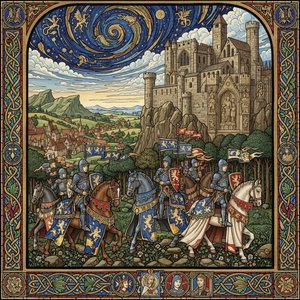
Explore the profound beauty of medieval art through the lens of history. Discover the symbolism of knights, the divine frescoes of Giotto, and how legendary masterpieces continue to inspire modern collectors and lovers of chivalric heritage.

Embark on a scholarly journey through the spiritual grandeur of Late Medieval art. Discover the intricate symbolism, technical mastery, and profound religious narratives that define the Gothic era in this expert-led guide for art enthusiasts and collectors.

Embark on a visual journey through Early Medieval art. Explore the profound beauty of illuminated manuscripts, sacred symbols, and golden light through an expert historical lens, celebrating the enduring legacy of medieval craftsmanship and divine artistry.

 실제 크기로 보기
 보내기
보내기 공유하기
공유하기
 상세 보기
상세 보기 가이드 보기

 이미지 다운로드
 유사 작품 더 보기
 X-레이
X-레이 슬라이드 쇼 보기
 통계 정보
통계 정보 상세 보기
상세 보기









 유리 옵션은 110cm 미만 크기에서만 선택 가능합니다.


