
 Acrylic On CanvasWallArtNorthern Renaissance Mannerism
 47.0 x 47.0 cm
 국립 미술관
빠른 제작과 다양한 마감 옵션을 제공하는 박물관 품질의 지클레이 또는 캔버스 프린트. ( 손으로 그린 그림 구매 디지털 이미지로 전환)





























작품의 원본 비율을 유지하는 미리 설정된 크기 중에서 선택하세요.

특정 프레임이나 공간에 맞춰 직접 치수를 입력하실 수 있습니다. 선택하신 사이즈가 원본 이미지의 비율과 일치하지 않을 경우, 작품을 크롭(자르기)하거나 이미지를 대칭 또는 단색 채우기로 확장하여 제작합니다. 제작 시작 전, 최종 확인을 위해 디지털 목업이 전송됩니다.
화면상의 미리보기는 실제 크롭이나 확장 상태를 반영하지 않으므로, 최종 구도는 오직 목업을 통해서만 정확하게 확인하실 수 있습니다.
맞춤 사이즈 제작도 가능하지만, 원본 비율을 유지하기 위해서는 사전 정의된 목록에서 치수를 선택하시는 것을 권장합니다.

The Paradise
복제본 크기
Herri met de Bles' "The Paradise," painted circa 1540, isn’t merely a depiction of the biblical Garden of Eden; it’s an immersive experience, a carefully constructed landscape brimming with symbolic weight and a profound sense of serenity. The tondo format – a circular painting – immediately draws the viewer in, creating an intimate space within which to contemplate this idealized world. It's a scene steeped in the traditions of Northern Renaissance art, particularly influenced by the pioneering work of Gerard David, yet imbued with a distinctly atmospheric quality that transcends simple representation.
The composition unfolds with deliberate grace. A rugged, mountainous backdrop, rendered in muted browns and greens, establishes a sense of timelessness and solidity – an ancient earth beneath a nascent paradise. Within this landscape, figures are subtly integrated, not dominating the scene but rather existing as part of its organic flow. We see Adam and Eve, positioned near the center, engaged in quiet contemplation, their forms rendered with a delicate realism that contrasts beautifully with the broader, more stylized depiction of the surrounding flora and fauna. A dog playfully bounds through the foreground, while birds soar above, adding to the feeling of vibrant life within this enclosed sanctuary.
Met de Bles’ genius lies not just in his technical skill but in his masterful use of symbolism. The abundance of trees – a profusion of fruit-bearing branches and towering trunks – speaks to the Garden's fertility, its promise of sustenance and renewal. The presence of a fountain, positioned at the heart of the composition, is particularly significant; it’s a potent symbol of life itself, a source from which all creation springs forth. Notice, too, the carefully placed horse on the left – a nod to the animal kingdom and a reminder of humanity's connection to nature.
The inclusion of a figure holding what appears to be a staff or bow adds an intriguing layer of narrative complexity. While its precise meaning remains open to interpretation, it suggests a guardianship role, perhaps representing God’s watchful presence over this sacred space. The overall effect is one of carefully balanced harmony – a visual representation of Eden's perfection before the intrusion of sin.
Technically, “The Paradise” exemplifies the hallmarks of the Northern Renaissance style. Met de Bles employs a meticulous approach to detail, evident in the realistic rendering of individual leaves, branches, and animal forms. However, he doesn’t simply replicate reality; instead, he uses perspective and atmospheric effects – particularly the subtle use of light and shadow – to create a sense of depth and distance. The muted color palette contributes significantly to the painting's overall mood of tranquility and timelessness.
The influence of Joachim Patinir, another key figure in Northern Renaissance landscape painting, is readily apparent in Met de Bles’ use of aerial perspective – creating a sense of depth through variations in color and detail. This technique, combined with the artist's masterful composition, elevates “The Paradise” beyond a simple depiction of a biblical scene, transforming it into a profound meditation on themes of creation, innocence, and the enduring allure of paradise.
Reproductions of "The Paradise" offer a remarkable opportunity to bring this evocative masterpiece into your home or office. Available in various sizes, our hand-painted reproductions faithfully capture the painting’s rich detail and atmospheric depth, ensuring that you can experience its beauty and symbolism firsthand. Whether you're an art enthusiast, a collector of Northern Renaissance art, or simply seeking a piece to add a touch of serenity to your surroundings, this stunning reproduction is sure to captivate and inspire.


1500 - 1555 , Belgium
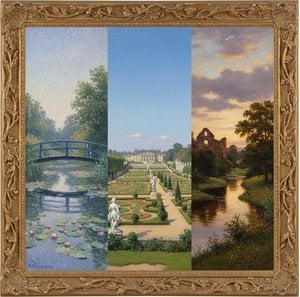
Embark on a visual journey through the serene beauty of gardens and parks in fine art. Discover how master artists capture nature's tranquility through impressionistic blooms and classical landscapes to bring timeless elegance into your home collection.
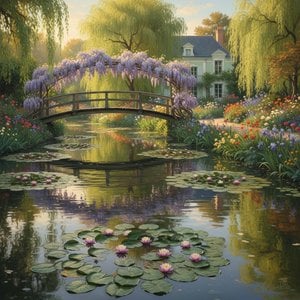
Embark on a visual journey through Claude Monet's Giverny. Discover the enchanting light, vibrant colors, and breathtaking landscapes of his legendary gardens through an expert exploration of Impressionist mastery and timeless beauty.


 미리보기
미리보기
 공유하기
공유하기 공유하기
공유하기
 상세 정보
상세 정보 Guide
Guide

 다운로드
다운로드
 유사 작품
유사 작품 X-레이
X-레이 슬라이드 쇼
 통계 정보
통계 정보 더 보기
더 보기









 유리 옵션은 110cm 미만 크기에서만 선택 가능합니다.


![Vida De Miguel De Cervantes Saavedra (life Of Miguel De Cervantes Saavedra). Book V Of The Edition Of Don Quixote (biblioteca Nacional De España)\n\n[7] — Martín Fernández De Navarrete Y Ximénez De Tejada, Academic Art](/media/artworks/images-thumb/8c/b6/8cb67a4dd450447373a546c8dd039e57.jpg)

