

 PaintingWallArtExpressionism
 1928Modern
 90.0 x 120.0 cm
 Kunstmuseum Ahrenshoop
빠른 제작과 다양한 마감 옵션을 선택할 수 있는 박물관 수준의 지클레이 및 캔버스 프린트. ( 수작업 채색 복제본 주문하기 디지털 이미지 판매 채널로 전환)





























작품의 원본 비율을 그대로 유지하는 프리셋 사이즈 중에서 선택해 보세요.

액자나 벽면 크기에 맞춰 필요한 가로와 세로 길이를 입력해 주세요. 프린트는 원본 이미지보다 크게 제작할 수 없으며 오직 자르는 것만 가능하므로, 비율이 다른 사이즈를 선택할 경우 이미지의 일부가 잘려 나갈 수 있습니다. 인쇄 작업에 들어가기 전, 최종 확인을 위해 디지털 목업을 보내드립니다. 이 페이지에 표시된 이미지는 실제 잘리는 영역을 나타내지 않으며, 오직 목업을 통해서만 정확한 확인이 가능합니다.
Under Boots
복제본 규격
In the evocative realm of early 20th-century German art, few works capture the psychological tension of the era as poignantly as Hermann Abeking’s 1928 masterpiece, Under Boots. At first glance, the viewer is drawn into a somber, shadowed interior where the weight of existence seems to press down upon the canvas. The painting depicts a solitary figure reclined on the ground, his head buried in his hands in a gesture of profound despair or perhaps deep introspection. Clad in striking yellow trousers that pierce through the surrounding gloom, the man becomes a focal point of vulnerability amidst a dark, claustrophobic setting. The presence of indistinct figures in the background and the suggestion of heavy boots looming near the subject create an atmosphere of palpable discomfort, as if the very air is thick with the anxiety of a world on the brink of transformation.
Abeking, a versatile talent who moved fluidly between the worlds of fine art and commercial illustration, brings a unique graphic sensibility to this piece. His training in the prestigious academies of Dresden and Berlin allowed him to master a technique that balances representational clarity with an expressive, almost theatrical use of light and shadow. In Under Boots, the interplay of darkness and sudden bursts of color serves not just to define form, but to direct the emotional narrative. The heavy, somber tones evoke the influence of German Expressionism—a movement that sought to strip away academic pretension to reveal the raw, unadulterated truths of human suffering and isolation. Every brushstroke contributes to a sense of mounting pressure, making the viewer feel like an intruder in this private moment of distress.
To understand the profound impact of this work, one must consider the historical landscape of 1928 Germany. This was a period of intense social upheaval and psychological fragmentation. Abeking, while deeply connected to the vibrant publishing scene in Berlin, often infused his work with a sense of the existential. The title itself, Under Boots, serves as a powerful metaphor for the crushing weight of societal expectations, political instability, or perhaps the inescapable march of time and authority. The figure’s posture—collapsed and retreating into himself—mirrors the collective fatigue of a generation navigating the turbulent waters between the memory of the Great War and the approaching shadows of another global conflict.
For the discerning collector or interior designer, this painting offers more than mere decoration; it provides a profound conversational centerpiece. The composition’s ability to command attention through its dramatic chiaroscuro makes it an ideal acquisition for spaces that value depth, intellect, and emotional resonance. Whether placed in a quiet study or a contemporary gallery setting, a high-quality reproduction of this work invites contemplation. It serves as a window into a pivotal moment in art history, where the boundaries between illustration and fine art blurred to create something deeply human, hauntingly beautiful, and eternally relevant.
헤르만 에른스트 아베킹의 "Under Boots"은(는) Landscape 형식입니다. 이 형식은 작품 구성의 비율을 나타냅니다.
헤르만 에른스트 아베킹의 "Under Boots"은(는) 전반적인 Dramatic 분위기 속에서 Somber한 느낌을 전달합니다.
"Under Boots"은 작가의 탄생지를 통해 Expressionism 사조와 독일를 연결합니다.

Immerse yourself in golden light! Explore 10 famous paintings dominated by 'Chrome Yellow', from Van Gogh’s Sunflowers to Monet's Haystacks. Discover the stories behind these iconic Impressionist & Post-Impressionist masterpieces and find museum-quality art reproductions at WahooArt.com.
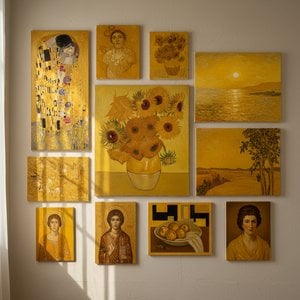
Explore 10 iconic paintings bathed in golden yellow ochre! From Van Gogh's sunflowers to Monet’s haystacks, discover the stories behind these masterpieces. Find museum-quality art reproductions & elevate your home decor on .

Delve into 10 somber masterpieces by Rembrandt, Munch & Van Gogh. Explore emotional art history, dark palettes & powerful expression. Find museum-quality reproductions & curated wall decor ideas at . Discover all masterpieces online.

Explore the rich symbolism & emotional power of yellow in art history! From Van Gogh to Kandinsky, discover how artists used this vibrant hue. Expert analysis & high-quality reproductions at WahooArt.

Explore 10 iconic paintings dominated by dark gray tones, from Rembrandt & Caravaggio to Goya. Discover the stories behind these masterpieces and find museum-quality art reproductions for your home at . Explore the full collection online.

 실제 크기로 보기
 보내기
보내기 공유하기
공유하기
 상세 보기
상세 보기 가이드 보기

 이미지 다운로드
 유사 작품 더 보기
 X-레이
X-레이 슬라이드 쇼 보기
 통계 정보
통계 정보 상세 보기
상세 보기









 유리 옵션은 110cm 미만 크기에서만 선택 가능합니다.


