
원하는 크기와 액자로 주문 제작되는, 작가들이 직접 캔버스에 손으로 그린 유화 작품입니다. ( 프린트 판매로 전환 디지털 이미지로 전환)





























작품의 원본 비율을 유지하는 미리 설정된 크기 중에서 선택하세요.

특정 프레임이나 공간에 맞도록 직접 크기를 입력할 수 있습니다. 선택하신 크기가 원본 이미지의 비율과 일치하지 않는 경우, 작품을 자르거나 추가적인 손으로 그린 요소를 사용하여 그림을 확장합니다. 제작 시작 전 승인을 위해 디지털 목업을 보내드립니다.
화면 미리 보기는 실제 자르기 또는 확장을 반영하지 않습니다. 최종 구성은 목업을 통해서만 정확하게 확인하실 수 있습니다.
맞춤 크기 제작도 가능하지만, 원본 비율을 유지하기 위해 사전 정의된 목록에서 크기를 선택하시는 것을 권장합니다.

The Skating Minister
복제본 크기
Henry Raeburn’s “The Skating Minister” is more than just a portrait; it's a captivating snapshot of leisure and social grace, frozen in time during the winter months of 1824. This iconic work, depicting a gentleman engaged in what appears to be an impromptu skating session, reveals Raeburn’s mastery of realism and his keen eye for capturing not just physical likeness but also the very essence of human character. The painting immediately draws the viewer into a scene brimming with quiet activity – a minister, seemingly unconcerned with formal attire, lost in the joy of the moment. It's a testament to Raeburn’s ability to elevate a simple pastime into something profoundly evocative.
Born in Stockbridge, Scotland, in 1756, Henry Raeburn was a pivotal figure in the burgeoning movement towards British realism. Unlike the prevailing Neoclassical style that favored idealized forms and mythological subjects, Raeburn sought to depict his subjects – often members of the Scottish gentry and aristocracy – with unflinching honesty and naturalism. His early training as a goldsmith instilled within him an unparalleled attention to detail, a meticulousness evident in every brushstroke. This dedication is particularly striking in “The Skating Minister,” where the texture of the man’s coat, the sheen of the ice, and even the subtle expression on his face are rendered with astonishing precision. Raeburn's success was revolutionary; he became the first native Scottish painter to achieve widespread acclaim and royal patronage, setting a new standard for portraiture in Britain.
Raeburn’s technique is characterized by loose, expressive brushwork that contributes significantly to the painting’s dynamic feel. He employed a ‘wet-on-wet’ method – applying wet paint onto wet canvas – allowing colors to blend seamlessly and creating a sense of movement. The composition itself is deceptively simple yet remarkably effective. The minister dominates the frame, his outstretched arms and posture conveying both effort and enjoyment. The mountainous background, rendered in muted tones, provides depth and context, suggesting a vast winter landscape. Note the subtle use of light – it illuminates the minister’s face and clothing, drawing attention to his form while casting shadows that add to the painting's three-dimensionality. This masterful control of light and shadow is a hallmark of Raeburn’s style.
“The Skating Minister” offers a fascinating glimpse into the social customs of early 19th-century Scotland. Ice skating was a popular winter pastime among the upper classes, offering an opportunity for recreation and socializing. The minister's relaxed demeanor suggests a departure from formal protocol, highlighting the importance of leisure and personal enjoyment within this social stratum. While the precise meaning of the scene remains open to interpretation, it’s likely intended to portray a moment of uninhibited pleasure – a celebration of life amidst the beauty of winter. The painting’s enduring appeal lies not only in its technical brilliance but also in its ability to capture a timeless human experience: the simple joy of movement and connection with nature.

1756 - 1823 , 영국
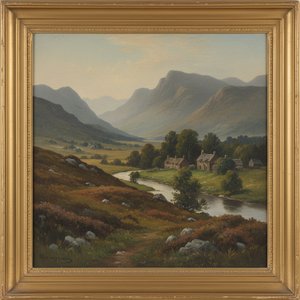
Explore the captivating portraits of Sir John Watson Gordon, a leading Scottish master. Discover his evolution from neoclassical style to atmospheric Tonalism and influence on 19th-century British art. Learn about his iconic sitters & legacy.
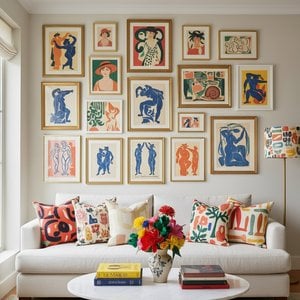
앙리 마티스의 시대를 초월하는 걸작 25선을 만나보세요. 색채주의, 야수파를 대표하는 그의 삶과 예술 세계를 탐험하고, WahooArt에서 명화 복제본으로 거실 인테리어에 감동을 더하세요. 지금 바로 컬렉션을 확인하세요!

Explore the life & legacy of Robert Henri, a pivotal figure in American Realism. Discover his captivating portraits, influence on the Ashcan School, and enduring impact on art history. Learn more at WahooArt.

Explore the life & work of Henry Raeburn Dobson, a key figure bridging Scottish tradition & modern art. Discover his neoclassical portraits, landscapes, and connection to the Colourists. Learn about collecting his works.

Explore the life & work of Henry Raeburn, a master Scottish portraitist. Discover his innovative techniques, captivating portraits of the Enlightenment era, and lasting legacy in art history. Learn more at WahooArt.


 미리보기
미리보기
 공유하기
공유하기 공유하기
공유하기
 상세 정보
상세 정보 가이드 보기

 다운로드
다운로드
 유사 작품
유사 작품 X-레이
X-레이 슬라이드 쇼
 통계 정보
통계 정보


 더 보기
더 보기









 유리 옵션은 110cm 미만 크기에서만 선택 가능합니다.


