
빠른 제작과 다양한 마감 옵션을 제공하는 박물관 품질의 지클레이 또는 캔버스 프린트. ( 손으로 그린 그림 구매 디지털 이미지로 전환)





























작품의 원본 비율을 유지하는 미리 설정된 크기 중에서 선택하세요.

특정 프레임이나 공간에 맞춰 직접 치수를 입력하실 수 있습니다. 선택하신 사이즈가 원본 이미지의 비율과 일치하지 않을 경우, 작품을 크롭(자르기)하거나 이미지를 대칭 또는 단색 채우기로 확장하여 제작합니다. 제작 시작 전, 최종 확인을 위해 디지털 목업이 전송됩니다.
화면상의 미리보기는 실제 크롭이나 확장 상태를 반영하지 않으므로, 최종 구도는 오직 목업을 통해서만 정확하게 확인하실 수 있습니다.
맞춤 사이즈 제작도 가능하지만, 원본 비율을 유지하기 위해서는 사전 정의된 목록에서 치수를 선택하시는 것을 권장합니다.

Francis Horner
복제본 크기
Sir Henry Raeburn stands as a pivotal figure in British portraiture, embodying the spirit of the Scottish Enlightenment. His journey from humble beginnings to royal patronage exemplifies artistic dedication and unwavering talent. Orphaned at a young age, his formative years were shaped by the steadfast support of his brother William, who secured him an education at Heriot’s Hospital in Edinburgh—a foundation that proved crucial for honing his artistic vision.
Initially apprenticed to James Gilliland, a goldsmith, Raeburn swiftly developed a mastery of intricate detail and refined skill. This meticulous craftsmanship would become synonymous with his distinctive style. He began creating miniature portraits on ivory, demonstrating an innate ability to capture likenesses with remarkable accuracy—a technique that foreshadowed his later explorations into oil painting.
However, Raeburn’s artistic path wasn't solely defined by technical precision. His fascination with the natural world profoundly influenced his compositions, particularly evident in landscapes infused with Romantic sensibilities. He sought to convey not merely visual representation but also emotional resonance—a desire to capture the essence of human experience within a carefully crafted frame.
Raeburn's artistic breakthrough arrived with his engagement in the Edinburgh Review alongside fellow Whig intellectuals—a collaboration that cemented his reputation as a visionary thinker and influential voice within Scottish intellectual circles. This association fostered an environment of critical debate and encouraged him to champion progressive ideals, shaping his artistic perspective.
His prolific output spanned across various mediums, including portraiture, landscape painting, and printmaking—each reflecting his evolving stylistic sensibilities. Notably, he achieved renown for his depiction of Lord Newton and Dr Alexander Adam in the National Gallery of Scotland, masterpieces that exemplify his masterful command of light and color.
The portrait itself is a testament to Raeburn’s ability to distill complex character into a single image—a feat achieved through careful observation and skillful rendering. The subdued palette of reds and browns contributes to an atmosphere of quiet contemplation, inviting viewers to consider the sitter's inner life alongside his outward appearance.
Furthermore, the inclusion of two chairs—one occupied by Horner and another positioned slightly behind him—creates a dynamic compositional arrangement that subtly conveys notions of intellectuality and social engagement. Raeburn’s meticulous attention to detail extends beyond mere likeness; it encompasses an exploration of psychological nuance and emotional depth.
Beyond its aesthetic merits, the portrait holds significance as a product of its time—a reflection of the Enlightenment’s emphasis on reason and observation. It stands as an enduring symbol of Scottish artistic excellence and continues to inspire admiration for Raeburn's unparalleled skill in capturing the human spirit.


1756 - 1823 , 영국

Explore the life & work of Henry Raeburn Dobson, a key figure bridging Scottish tradition & modern art. Discover his neoclassical portraits, landscapes, and connection to the Colourists. Learn about collecting his works.

프랜시스 베이컨의 강렬하고 파격적인 세계로. 현대 미술 거장의 대표작 25선을 만나보세요. 절망, 고독, 인간 존재에 대한 깊은 성찰을 담은 작품들을 감상하고, WahooArt.com에서 최고 품질의 그림 복제본과 인테리어 아이디어를 찾아보세요.
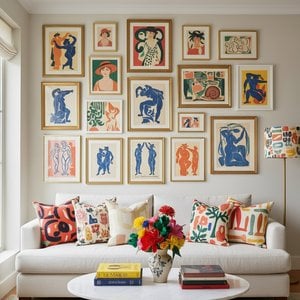
앙리 마티스의 시대를 초월하는 걸작 25선을 만나보세요. 색채주의, 야수파를 대표하는 그의 삶과 예술 세계를 탐험하고, WahooArt에서 명화 복제본으로 거실 인테리어에 감동을 더하세요. 지금 바로 컬렉션을 확인하세요!

Explore the life & work of Henry Raeburn, a master Scottish portraitist. Discover his innovative techniques, captivating portraits of the Enlightenment era, and lasting legacy in art history. Learn more at WahooArt.

Explore the captivating world of Francis Campbell Cadell, a leading Scottish Colourist. Discover his elegant Edinburgh interiors, vibrant portraits & unique style. Learn about his influences and enduring legacy with WahooArt.


 미리보기
미리보기
 공유하기
공유하기 공유하기
공유하기
 상세 정보
상세 정보

 다운로드
다운로드
 유사 작품
유사 작품 X-레이
X-레이 슬라이드 쇼
 통계 정보
통계 정보

 더 보기
더 보기









 유리 옵션은 110cm 미만 크기에서만 선택 가능합니다.


