
 Oil On CanvasWallArtNeoclassical Portraiture
 1830
1830 103.0 x 128.0 cm
 국립미술관
국립미술관빠른 제작과 다양한 마감 옵션을 제공하는 박물관 품질의 지클레이 또는 캔버스 프린트. ( 손으로 그린 그림 구매 디지털 이미지로 전환)





























작품의 원본 비율을 유지하는 미리 설정된 크기 중에서 선택하세요.

특정 프레임이나 공간에 맞춰 직접 치수를 입력하실 수 있습니다. 선택하신 사이즈가 원본 이미지의 비율과 일치하지 않을 경우, 작품을 크롭(자르기)하거나 이미지를 대칭 또는 단색 채우기로 확장하여 제작합니다. 제작 시작 전, 최종 확인을 위해 디지털 목업이 전송됩니다.
화면상의 미리보기는 실제 크롭이나 확장 상태를 반영하지 않으므로, 최종 구도는 오직 목업을 통해서만 정확하게 확인하실 수 있습니다.
맞춤 사이즈 제작도 가능하지만, 원본 비율을 유지하기 위해서는 사전 정의된 목록에서 치수를 선택하시는 것을 권장합니다.

Ira Aldridge as Othello
복제본 크기
Henry Perronet Briggs’s “Ira Aldridge as Othello,” painted circa 1830, is more than a simple portrait; it's a carefully constructed tableau vivant capturing the essence of a pivotal moment in American theatrical history. Briggs, an English painter known for his meticulous realism and ability to imbue his subjects with profound emotion, masterfully portrays Ira Aldridge, the first African-American actor to achieve international renown. The painting immediately draws the eye to Aldridge’s commanding presence – seated on a simple wooden chair, he exudes both vulnerability and regal authority. His posture is relaxed yet alert, suggesting a man accustomed to captivating audiences with his dramatic performances.
The choice of attire is particularly significant. Aldridge wears a rich green costume accented by a vibrant red scarf, colors that speak to the intensity of the role he embodies. The crown perched upon his head isn’t merely decorative; it symbolizes Othello's status as a Moorish general and highlights the tragic irony of his downfall. Briggs’s skillful use of light and shadow further enhances this dramatic effect, sculpting Aldridge’s face and emphasizing the weight of his character’s burden.
To fully appreciate “Ira Aldridge as Othello,” it's crucial to understand the historical context. In 1825, when Briggs painted this portrait, America was grappling with deeply ingrained racial prejudices. Black actors faced systemic discrimination and were often relegated to minor roles or forced to perform in segregated theaters. Ira Aldridge’s success—his tours of Europe and his command of Shakespearean tragedy—represented a remarkable achievement against these odds. Briggs's decision to immortalize Aldridge on canvas was, in part, an act of defiance, a celebration of Black talent and artistic excellence within a society that frequently denied it.
Aldridge’s story is inextricably linked to the burgeoning abolitionist movement. He actively used his performances to advocate for freedom and equality, often portraying characters like Shylock in *The Merchant of Venice*, challenging racial stereotypes and prompting reflection on social injustice. Briggs's portrait serves as a visual testament to this courageous stance.
Briggs’s technical skill is evident in every brushstroke. The painting demonstrates a remarkable attention to detail, from the texture of Aldridge’s costume to the subtle nuances of his facial expression. He employs a refined oil-on-canvas technique, layering colors and creating a sense of depth and realism. Note the careful rendering of the wooden chair – its grain and imperfections contribute to the overall atmosphere of quiet contemplation.
The composition is carefully balanced, with Aldridge occupying the central space and two figures flanking him—one in the upper left corner and another on the right side. These secondary figures, though less defined, add a sense of narrative context, perhaps suggesting the audience or the world of drama that Aldridge embodies. The background, featuring a simple chair, is deliberately understated, drawing focus entirely to the central subject.
Beyond its technical merits, “Ira Aldridge as Othello” resonates with profound emotional depth. The actor’s serious gaze—directed off into the distance—suggests a man burdened by his role, aware of the tragic fate that awaits him in Shakespeare's play. There is a palpable sense of melancholy and introspection within the portrait. Briggs doesn’t simply depict Aldridge; he captures the spirit of a pioneering artist who dared to challenge societal norms and achieve greatness despite facing significant adversity.
This painting remains a powerful reminder of Ira Aldridge's legacy—a testament to his talent, courage, and enduring impact on American theater. It’s a poignant exploration of identity, race, and the transformative power of art.


1793 - 1844 , United Kingdom
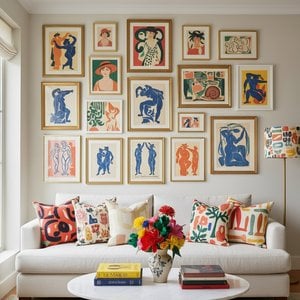
앙리 마티스의 시대를 초월하는 걸작 25선을 만나보세요. 색채주의, 야수파를 대표하는 그의 삶과 예술 세계를 탐험하고, WahooArt에서 명화 복제본으로 거실 인테리어에 감동을 더하세요. 지금 바로 컬렉션을 확인하세요!

Explore the revolutionary sculptures of Henry Moore – abstract forms, reclining figures & powerful expressions of the human condition. Discover his legacy & artistic process with WahooArt.

Explore the life & legacy of Robert Henri, a pivotal figure in American Realism. Discover his captivating portraits, influence on the Ashcan School, and enduring impact on art history. Learn more at WahooArt.

fauve 미술의 심장을 뛰게 하는 10대 걸작! 모리스 드니, 마티스 등 거장의 강렬한 색채와 혁신적인 표현을 만나보세요. 예술 작품 감상부터 인테리어 디자인 영감까지, WahooArt.com에서 명품 아트 프린트를 찾아보세요.
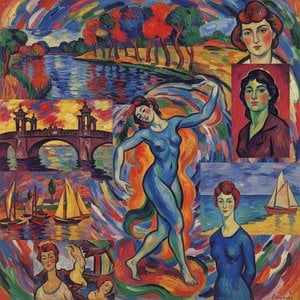
Explore 10 Fauvist masterpieces by Matisse, Derain & Vlaminck that ignited Modern Art! Discover bold colors, expressionist landscapes & the history of this revolutionary movement. Find museum-quality prints at WahooArt.com.


 미리보기
미리보기
 공유하기
공유하기 공유하기
공유하기
 상세 정보
상세 정보 가이드 보기

 다운로드
다운로드
 유사 작품
유사 작품 X-레이
X-레이 슬라이드 쇼
 통계 정보
통계 정보 더 보기
더 보기









 유리 옵션은 110cm 미만 크기에서만 선택 가능합니다.


