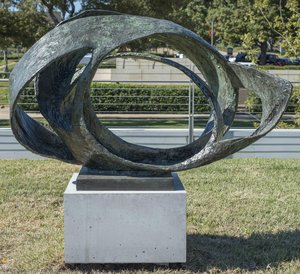
SculptureSculptureContemporary Realism
 1942Modern
 49.0 x 49.0 cm
 Imperial War Museums
이 페이지에 표시된 작품은 저작권법의 보호를 받으며, 이에 따라 동일한 복제품을 제작하거나 판매하는 것은 법으로 금지되어 있습니다. 이러한 권리 보호는 다음과 같은 국제 협약에 따라 시행됩니다. 베른 협약 또한 다음에서 명시하는 법률을 포함한 국내법에 의해 보호됩니다. 미국 저작권법 제17조.
이 방식은 저작권 보호를 받는 예술 작품을 복제하거나 그대로 재현하는 것이 아니기에 저작권 규정을 완벽히 준수합니다. 대신, 이는 창의적인 재해석의 과정을 거칩니다. 즉, 원작에서 영감을 받되 원작과 동일하지 않은 새로운 회화 작품을 의미합니다.
빠른 제작과 다양한 마감 옵션을 선택할 수 있는 박물관 수준의 지클레이 및 캔버스 프린트. ( 수작업 채색 복제본 주문하기 디지털 이미지 판매 채널로 전환)
작품의 원본 비율을 그대로 유지하는 프리셋 사이즈 중에서 선택해 보세요.

액자나 벽면 크기에 맞춰 필요한 가로와 세로 길이를 입력해 주세요. 프린트는 원본 이미지보다 크게 제작할 수 없으며 오직 자르는 것만 가능하므로, 비율이 다른 사이즈를 선택할 경우 이미지의 일부가 잘려 나갈 수 있습니다. 인쇄 작업에 들어가기 전, 최종 확인을 위해 디지털 목업을 보내드립니다. 이 페이지에 표시된 이미지는 실제 잘리는 영역을 나타내지 않으며, 오직 목업을 통해서만 정확한 확인이 가능합니다.
A Miner at Work
복제본 규격
In the heavy, shadowed atmosphere of 1942, amidst the profound uncertainties of the Second World War, Henry Moore captured a moment of quiet, monumental strength in "A Miner at Work." This piece serves as much more than a mere depiction of industrial labor; it is a profound meditation on the human spirit under pressure. The artwork presents a solitary figure, a miner seated at the coal face, rendered through Moore’s signature lens of abstraction and simplified form. There is an immediate, visceral connection to the earth and the toil required to sustain a nation under siege, making the piece an evocative choice for those who appreciate art that speaks to the enduring power of perseverance.
The subject matter transcends simple portraiture, as Moore moves away from traditional realism to explore the very essence of the miner's existence. By utilizing geometric shapes and the strategic use of negative space, the artist invites the viewer to look through the form rather than just at it. The figure is hunched, absorbed in his task, a posture that simultaneously suggests the physical weight of the subterranean world and a psychological state of deep focus and quiet dignity. For collectors and designers, this work offers a sophisticated balance of heavy, grounded presence and an airy, intellectual lightness.
Technically, "A Miner at Work" is a masterclass in the Romanesco method, a process where the sculptor creates a hollow form and then meticulously removes material from the interior to reveal the underlying structure. This technique imbues the work with a remarkable tactile quality, creating a surface that feels organic and alive. The use of smooth, polished limestone allows for a precise geometric precision that contrasts beautifully with the rugged, natural themes of the piece. Every curve and hollow is intentional, designed to capture the essence of both the miner’s anatomy and the surrounding environment.
The historical context of the work adds a layer of profound emotional depth. Created during a time when coal mining was the lifeblood of the British economy, the sculpture resonates with the social fabric of communities like Wheldale Colliery. It captures the anxieties and the aspirations of an era defined by adversity. To possess a reproduction of this work is to hold a piece of history that symbolizes vulnerability transformed into strength. The interplay of light and shadow within its forms makes it a captivating centerpiece for any curated space, offering a sense of stability, reflection, and timelessness.
"A Miner at Work"의 색채 강도는 Monochromatic입니다. 강도는 색상이 얼마나 선명하게 보이는지를 나타냅니다.
헨리 모어의 "A Miner at Work"의 기록된 휘도는 Dark입니다.
"A Miner at Work"의 작가인 헨리 모어의 다른 이름으로는 헨리 스펜서 모어, 헨리 리 모어 등이 있습니다.

1898 - 1986 , 영국

페르낭 레제의 최고 걸작 25선을 만나보세요. 큐비즘, 추상 미술의 거장이 그린 명작들의 탄생 비화와 예술적 의미를 탐구합니다. WahooArt에서 고품질 아트 프린트와 인테리어 액자로 공간에 예술을 더하세요. 지금 바로 컬렉션을 확인하세요!

Journey through Wassily Kandinsky's 25 most iconic abstract paintings. Explore his revolutionary use of color, form & spiritual expressionism. Find museum-quality Kandinsky reproductions and elevate your home decor with WahooArt.com. Discover all masterpieces on WahooArt.com!

Explore the evolution of geometric abstraction from Cubism to contemporary art. Discover key artists like Malevich & Mondrian, investment insights, and expert collecting advice at WahooArt.

몬드리안, 말레비치 등 거장들의 기하학적 추상 미술 명작 10선을 만나보세요. 각 작품의 예술사적 의미와 색채, 구성을 탐구하고 WahooArt.com에서 고품질 아트 프린트를 소장하세요. 지금 바로 온라인 컬렉션을 확인하세요!

Journey through art history with our Top 10 bronze sculptures! Explore masterpieces by Rodin, Michelangelo & more. Discover stories behind iconic statues and find museum-quality reproductions for your home decor at WahooArt.com.

 보내기
보내기 공유하기
공유하기
 상세 보기
상세 보기 가이드 보기

 이미지 다운로드
 유사 작품 더 보기
 슬라이드 쇼 보기
 통계 정보
통계 정보 상세 보기
상세 보기






































 유리 옵션은 110cm 미만 크기에서만 선택 가능합니다.