
 111.0 x 74.0 cm
 The Literary - Philosophical Society of Newcastle
온라인 미리보기보다 훨씬 뛰어난 품질의 고해상도 디지털 이미지를 구매해 보세요.
각 파일은 사내 전문가가 고급 도구와 숙련된 수동 리터칭 기술을 사용하여 세심하게 준비합니다. 우리는 모든 이미지가 탁월한 선명도, 정확한 색상 재현력, 그리고 미세한 디테일까지 완벽하게 갖추도록 보장합니다.
최종 파일은 전문적인 편집 및 인쇄 환경에서 즉시 사용할 수 있도록 최적화되어 72시간 이내에 이메일로 발송됩니다. 이는 세계적인 디자인 스튜디오, 출판사 및 갤러리가 신뢰하는 것과 동일한 품질입니다.
개인 소장 및 전시, 인쇄, 창작 프로젝트를 위한 고해상도 파일을 다운로드하세요. ( Switch to Print 손으로 그린 그림 구매)
WahooArt.com를 선택하시면 단순히 이미지를 받는 것을 넘어, 정밀한 보정 과정을 거친 전문적인 디지털 예술 작품을 만나보실 수 있습니다. 모든 작품에는 만족 보장 서비스가 함께 제공되며, 주문 시 다음과 같은 사항들이 자동으로 포함됩니다:

주문 후 72시간 이내에 고해상도 디지털 이미지 파일이 이메일로 발송되며, 즉시 사용하실 수 있습니다.

귀하의 작품은 고급 AI 도구와 수동 편집 과정을 거쳐 전문적으로 최적화되며, 이를 통해 디테일과 선명도, 색상의 정확도를 극대화합니다.

파일을 실수로 삭제하거나 분실하셨나요? 걱정 마세요. 언제든 무료로 다시 보내드립니다.

관세나 부가세, 배송비 부담 없이 작품을 즉시 감상하세요 - 디지털 다운로드는 언제나 면세 혜택이 적용됩니다.

전문적인 도구와 색상 관리 시스템을 통해 디지털 이미지가 원본의 색상을 최대한 정확하게 구현하도록 보장합니다.

구매하신 디지털 이미지에 만족하지 못하실 경우, 100일 이내에 별도의 조건 없이 수정 또는 100% 환불을 진행해 드립니다.

만족스럽지 않으신가요? 디지털 파일을 받으신 후 100일 이내에 어떠한 조건 없이 전액 환불해 드립니다.

이미지 3매 구매 시 10% 할인 - 5매 구매 시 15% 할인 - 10매 이상 구매 시 20% 할인. 크리에이티브 프로젝트, 갤러리, 에이전시에 매우 유용합니다.

Henry Macbeth-Raeburn (1860-1947) stands as a quietly significant figure within the vibrant tapestry of late 19th and early 20th century British art. Born in Helensburgh, Scotland, into an artistic lineage tracing back to Norman Macbeth, a renowned portraitist, Henry’s journey was one of dedicated craft, evolving from a student of the Royal Academy to a respected printmaker deeply connected with the Glasgow Movement. His work, often characterized by meticulous detail and a subtle yet powerful use of light and shadow, reflects both his formal training and his engagement with the innovative spirit of his time.
Early life provided Henry with an immediate immersion in artistic practice. His father’s profession as a mechanical engineer instilled a keen eye for precision, while his family's artistic heritage—including his uncle Robert Walker Macbeth and grandfather Norman Macbeth – fostered a deep appreciation for the visual arts. He began his formal training at the Glasgow School of Art, absorbing the influences of masters like William Cruikshank and developing a distinctive style that blended academic rigor with a growing interest in contemporary trends. Crucially, he adopted “Macbeth-Raeburn” as his surname, a deliberate choice to honor both his artistic idol, Henry Raeburn, and distinguish himself within his family’s established artistic circle.
Henry Macbeth-Raeburn's career truly flourished during his association with the Glasgow Movement – a collective of artists, designers, and craftspeople centered around Charles Rennie Mackintosh and Margaret MacDonald. This movement sought to revitalize British design through a synthesis of craftsmanship, functionality, and artistic expression, rejecting the prevailing Victorian aesthetic in favor of a more modern and democratic approach. Macbeth-Raeburn’s work became inextricably linked with this ethos, particularly his contributions to the production of suffragette banners for the Women's Social and Political Union. These bold, graphic designs—characterized by their striking imagery and powerful messages – demonstrated his commitment to social causes and showcased his burgeoning skills in reproductive engraving.
His involvement extended beyond mere decoration; he actively taught needlework at the Glasgow School of Art, disseminating his innovative techniques and advocating for a shift in perceptions of craft. He championed the use of humble materials like cotton and linen, arguing that beauty could be found not only in luxurious fabrics but also in the skillful manipulation of everyday resources. This philosophy reflected a broader movement towards accessibility and inclusivity within the art world.
Macbeth-Raeburn’s technical prowess is immediately apparent in his prints, which demonstrate an extraordinary command of mezzotint and etching techniques. He meticulously rendered details with remarkable precision, capturing subtle nuances of light and texture. His subjects ranged from portraits – often inspired by the works of Henry Raeburn himself—to scenes of Scottish landscapes and historical figures. A key element of his style was his ability to evoke atmosphere through careful manipulation of tonal values and line weight. He frequently employed a limited palette, prioritizing clarity and impact over excessive color.
His portraiture, in particular, reveals an astute understanding of character and psychological depth. Rather than simply replicating surface appearances, he sought to capture the essence of his subjects—their personalities, emotions, and inner lives. This is evident in works such as his print after Raeburn’s “Dr. Nathaniel Spens,” where Macbeth-Raeburn skillfully translated the master's masterful use of light and shadow into a contemporary medium.
Despite often working behind the scenes, Henry Macbeth-Raeburn earned considerable recognition during his lifetime. He was elected an Associate of the Royal Academy in 1922 and a full member in 1933, solidifying his place within the established British art world. His work has been exhibited at prestigious institutions including the Royal Academy and the Ipswich Art Club, and is now held by collections such as the British Museum. His influence can be seen in the work of subsequent generations of printmakers and designers, particularly those associated with the Glasgow Movement.
Today, Henry Macbeth-Raeburn’s legacy endures as a testament to the power of dedication, innovation, and social engagement. His meticulous prints offer a window into a fascinating period of British art history—a time of experimentation, reform, and a renewed appreciation for the beauty of craft.
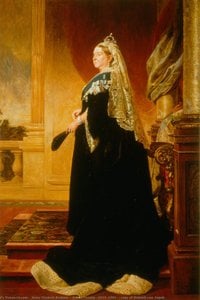
1860 - 1947


 미리보기
미리보기
 공유하기
공유하기 공유하기
공유하기
 상세 정보
상세 정보

 다운로드
다운로드
 유사 작품
유사 작품 X-레이
X-레이 슬라이드 쇼
 Stats
Stats 더 보기
더 보기


