

빠른 제작과 다양한 마감 옵션을 선택할 수 있는 박물관 수준의 지클레이 및 캔버스 프린트. ( 수작업 채색 복제본 주문하기 디지털 이미지 판매 채널로 전환)





























작품의 원본 비율을 그대로 유지하는 프리셋 사이즈 중에서 선택해 보세요.

액자나 벽면 크기에 맞춰 필요한 가로와 세로 길이를 입력해 주세요. 프린트는 원본 이미지보다 크게 제작할 수 없으며 오직 자르는 것만 가능하므로, 비율이 다른 사이즈를 선택할 경우 이미지의 일부가 잘려 나갈 수 있습니다. 인쇄 작업에 들어가기 전, 최종 확인을 위해 디지털 목업을 보내드립니다. 이 페이지에 표시된 이미지는 실제 잘리는 영역을 나타내지 않으며, 오직 목업을 통해서만 정확한 확인이 가능합니다.
Vegetables
복제본 규격
Henri Matisse's "Vegetables," painted in 1952, isn’t merely a still life; it’s an explosion of joyful color and a testament to the artist’s late-career exploration of form and emotion. Created during a period when Matisse was grappling with declining eyesight but refusing to relinquish his passion for painting, this work embodies a remarkable shift in his artistic approach – moving away from representational accuracy towards a more expressive and symbolic language. It's a piece that invites the viewer into a world where shapes and hues dance together, evoking a sense of vibrant life and quiet contemplation.
The painting’s style firmly places it within Matisse’s mature period, heavily influenced by his earlier work with the Fauves – those bold pioneers who championed intense color as a primary means of artistic expression. However, unlike the sometimes jarring intensity of the Fauve movement, “Vegetables” possesses a remarkable harmony and balance. The forms are simplified, almost childlike in their purity, yet rendered with an astonishingly confident hand. Matisse employs a technique he’d perfected – cutting paper into shapes and gluing them onto canvas – a method that liberated him from the constraints of traditional drawing and allowed for a playful exploration of composition and color relationships.
At the heart of “Vegetables” lies its masterful use of color. Matisse wasn’t interested in depicting vegetables realistically; instead, he used color to convey their essence – their vitality, their texture, and even a sense of their underlying structure. Deep reds and oranges dominate the composition, radiating warmth and energy, while blues and greens provide a cool counterpoint, creating a dynamic visual tension. Notice how the colors aren’t blended smoothly; rather, they are applied in bold, flat areas, maximizing their impact and contributing to the painting's overall sense of immediacy. The color choices themselves carry symbolic weight – red often represents passion and life force, while green suggests growth and abundance.
The arrangement of the objects is equally deliberate. The vase, a simple geometric form, anchors the composition on the left side, providing a stable base for the vibrant array of fruits and vegetables. The potted plant on the right adds another layer of visual interest, its leaves rendered in delicate shades of green and yellow. The scattered bananas, apples, and oranges – each depicted with an almost sculptural quality – seem to tumble across the canvas, creating a sense of movement and spontaneity.
“Vegetables” was painted during a pivotal period in Matisse's life. He had recently moved to Mougins, near Nice, after suffering a stroke that severely limited his mobility. Despite these physical challenges, he remained fiercely committed to his art, continuing to experiment with new techniques and pushing the boundaries of his creative vision. This painting represents a triumph of artistic spirit – a refusal to be defined by limitations and a celebration of the power of color to transform the world around us.
The work’s simplicity belies its profound emotional depth. It's not simply a depiction of fruits and vegetables; it’s an exploration of joy, vitality, and the beauty of everyday life. Matisse invites us to slow down, to appreciate the simple pleasures that surround us, and to find inspiration in the vibrant colors of the natural world. “Vegetables” stands as a powerful reminder of Matisse's enduring legacy – a testament to his genius and his unwavering belief in the transformative power of art.
WahooArt offers meticulously crafted, hand-painted reproductions of Henri Matisse’s "Vegetables," allowing you to bring this iconic artwork into your home or office. Our skilled artists replicate Matisse's distinctive style and color palette with exceptional accuracy, ensuring that the reproduction captures the essence of the original painting. The choice of canvas and framing options allows for a tailored experience, perfectly complementing any interior design aesthetic – from modern minimalism to classic elegance.
Consider how the vibrant hues of “Vegetables” can inject energy into a neutral space or add a touch of playful sophistication to a more formal setting. The painting’s simplified forms and bold colors make it an ideal choice for creating a focal point in any room, sparking conversation and inviting contemplation. Whether you're a seasoned art collector or simply seeking a beautiful piece of artwork to enhance your living space, WahooArt’s reproduction of “Vegetables” offers a unique opportunity to own a genuine reflection of one of the 20th century’s most influential artists.
1952년에 제작된 "Vegetables"은(는) 앙리 마티스의 Late Period에 해당합니다.
앙리 마티스의 "Vegetables"의 복제본은 Accent에 활용하시기에 좋습니다. 이는 작품의 주제와 분위기, 그리고 색감을 고려한 제안입니다.
앙리 마티스의 "Vegetables"은(는) Living Room에 추천하는 작품입니다. 이 제안은 작품의 주제, 색상 및 분위기를 바탕으로 합니다.


1869 - 1954 , 프랑스
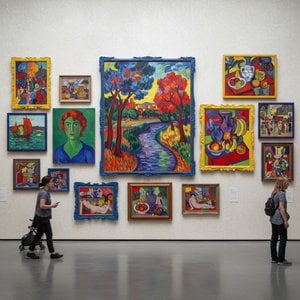
fauve 미술의 심장을 뛰게 하는 10대 걸작! 모리스 드니, 마티스 등 거장의 강렬한 색채와 혁신적인 표현을 만나보세요. 예술 작품 감상부터 인테리어 디자인 영감까지, WahooArt.com에서 명품 아트 프린트를 찾아보세요.
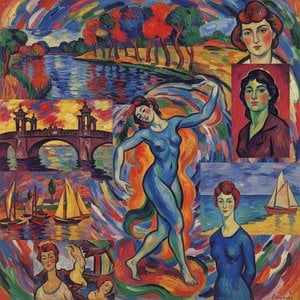
Explore 10 Fauvist masterpieces by Matisse, Derain & Vlaminck that ignited Modern Art! Discover bold colors, expressionist landscapes & the history of this revolutionary movement. Find museum-quality prints at WahooArt.com.

추상표현주의의 심장을 뛰게 한 10대 걸작을 만나보세요. 폴록, 로스코 등 거장의 작품 비하인드 스토리와 예술적 영감을 WahooArt에서! 지금 바로 미술품 컬렉션을 탐험하고, 당신의 공간에 특별한 예술적 감성을 더하세요. WahooArt.com

Explore the profound world of Clyfford Still's Abstract Expressionism with WahooArt. Discover his unique style, existential themes & investment potential. Expert analysis for discerning collectors.
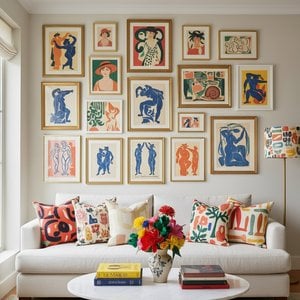
앙리 마티스의 시대를 초월하는 걸작 25선을 만나보세요. 색채주의, 야수파를 대표하는 그의 삶과 예술 세계를 탐험하고, WahooArt에서 명화 복제본으로 거실 인테리어에 감동을 더하세요. 지금 바로 컬렉션을 확인하세요!

 실제 크기로 보기
 보내기
보내기 공유하기
공유하기
 상세 보기
상세 보기 가이드 보기

 이미지 다운로드
 유사 작품 더 보기
 X-레이
X-레이 슬라이드 쇼 보기
 통계 정보
통계 정보

 상세 보기
상세 보기









 유리 옵션은 110cm 미만 크기에서만 선택 가능합니다.


