
원하는 크기와 액자로 주문 제작되는, 작가들이 직접 캔버스에 손으로 그린 유화 작품입니다. ( 프린트 판매로 전환 디지털 이미지로 전환)





























작품의 원본 비율을 유지하는 미리 설정된 크기 중에서 선택하세요.

특정 프레임이나 공간에 맞도록 직접 크기를 입력할 수 있습니다. 선택하신 크기가 원본 이미지의 비율과 일치하지 않는 경우, 작품을 자르거나 추가적인 손으로 그린 요소를 사용하여 그림을 확장합니다. 제작 시작 전 승인을 위해 디지털 목업을 보내드립니다.
화면 미리 보기는 실제 자르기 또는 확장을 반영하지 않습니다. 최종 구성은 목업을 통해서만 정확하게 확인하실 수 있습니다.
맞춤 크기 제작도 가능하지만, 원본 비율을 유지하기 위해 사전 정의된 목록에서 크기를 선택하시는 것을 권장합니다.

untitled (8716)
복제본 크기
“I want to paint with color,” Henri Matisse famously declared, encapsulating the essence of his artistic vision—a radical departure from academic conventions that would forever alter the landscape of modern art. Born in Le Cateau-Cambrésis in 1869, Matisse’s early life wasn't marked by artistic ambition; he pursued law studies initially, a path redirected dramatically by an illness that unlocked his innate talent for painting.
His discovery began with simple art supplies gifted by his mother—a serendipitous encounter that ignited a lifelong passion. Rejecting the rigid formalism of Impressionism and Post-Impressionism, Matisse embraced Fauvism (“wild beast”), spearheaded by him and André Derain, marking a pivotal moment in artistic history. This movement championed unrestrained color expression, prioritizing emotional impact over meticulous representation.
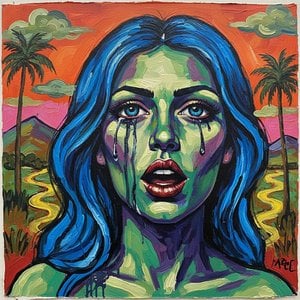
“Untitled (8716)” exemplifies Matisse’s masterful approach to Fauvist principles. The painting depicts a tranquil woodland scene—a pathway winding through dense trees—creating an immersive experience for the viewer. Approximately unknown in size, it showcases at least thirteen trees rendered in varying degrees of prominence, skillfully utilizing perspective to convey depth and dimensionality.
Matisse’s technique is characterized by bold brushstrokes and vibrant hues – predominantly reds, yellows, and blues – applied with confident assurance. He eschewed blending colors extensively, opting instead for juxtaposed tones that heighten visual intensity and stimulate the eye. This deliberate disregard for traditional blending techniques underscores Matisse's commitment to conveying emotion directly through color.
Fauvism emerged in France around 1905-1908, reacting against the perceived limitations of Impressionism’s focus on capturing fleeting moments of light. Matisse and Derain sought to liberate painting from naturalistic constraints, prioritizing expressive color as a primary vehicle for conveying feeling. The movement challenged established artistic norms and provoked considerable controversy amongst critics who deemed it crude and barbaric.
Despite initial resistance, Fauvism gained momentum, influencing subsequent artists like Picasso and Cézanne. Matisse’s unwavering belief in the transformative power of color solidified his position as a visionary innovator—a figure whose legacy continues to inspire artists today. “Untitled (8716)” stands as a testament to this enduring conviction.
Beyond its technical brilliance, "Untitled (8716)" resonates with profound symbolic meaning. The pathway through the trees represents a journey—perhaps toward enlightenment or simply towards contemplation—while the abundant foliage symbolizes vitality and renewal. Matisse’s deliberate use of color contributes to the painting's serene atmosphere, inviting viewers to immerse themselves in its beauty and experience its emotional depth.
The artwork embodies Matisse’s core artistic philosophy: “Color is my language; I don’t just paint what I see, but what I feel.” This statement encapsulates his unwavering dedication to conveying emotion through visual form—a pursuit that resulted in masterpieces like "Untitled (8716)" which continue to captivate audiences worldwide.


1869 - 1954 , 프랑스

Journey through the vibrant, soulful world of Henri Matisse. From the bold colors of Fauvism to his iconic cutouts, explore 25 legendary masterpieces that redefined modern art. Find inspiration for museum-quality decor and fine art reproductions. Discover all masterpieces on WahooArt.com.
Embark on a journey through the vibrant world of Fauvism. Discover how masters like Henri Matisse revolutionized art through bold colors and raw emotion in this expert-led guide to one of modern art's most powerful movements.


 미리보기
미리보기
 공유하기
공유하기 공유하기
공유하기
 상세 정보
상세 정보

 다운로드
다운로드
 유사 작품
유사 작품 X-레이
X-레이 슬라이드 쇼
 통계 정보
통계 정보

 더 보기
더 보기









 유리 옵션은 110cm 미만 크기에서만 선택 가능합니다.


