
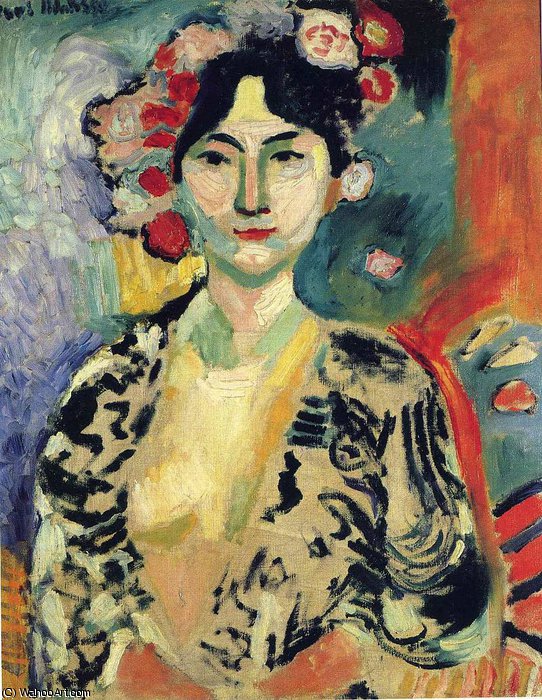
원하는 크기와 액자로 주문 제작되는, 작가들이 직접 캔버스에 손으로 그린 유화 작품입니다. ( Switch to Print Switch to Digital Image)





























작품의 원본 비율을 유지하는 미리 설정된 크기 중에서 선택하세요.

특정 프레임이나 공간에 맞도록 직접 크기를 입력할 수 있습니다. 선택하신 크기가 원본 이미지의 비율과 일치하지 않는 경우, 작품을 자르거나 추가적인 손으로 그린 요소를 사용하여 그림을 확장합니다. 제작 시작 전 승인을 위해 디지털 목업을 보내드립니다.
화면 미리 보기는 실제 자르기 또는 확장을 반영하지 않습니다. 최종 구성은 목업을 통해서만 정확하게 확인하실 수 있습니다.
맞춤 크기 제작도 가능하지만, 원본 비율을 유지하기 위해 사전 정의된 목록에서 크기를 선택하시는 것을 권장합니다.

untitled (8371)
복제본 크기
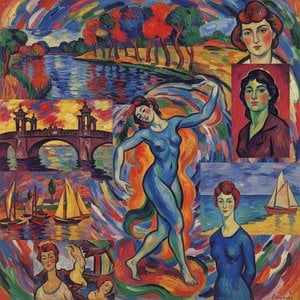
Henri Matisse, a name synonymous with audacious color and lyrical draughtsmanship, stands as one of the most influential figures in twentieth-century art. His oeuvre transcends mere representation; it embodies an emotional response to the world around him—a conviction that “color is my painting,” as he famously declared. This particular canvas, simply titled "Untitled (8371)," exemplifies this philosophy perfectly, offering a glimpse into Matisse’s masterful command of artistic expression.
The artwork depicts a woman bathed in luminous hues – predominantly shades of ochre and crimson – seated gracefully amidst a tranquil garden setting. Her gaze is direct, imbued with an intensity that draws the viewer inward, inviting contemplation. Delicate floral arrangements adorn her hair, symbolizing beauty, femininity, and perhaps a connection to the natural world—a recurring motif throughout Matisse’s work.
“Untitled (8371)” firmly establishes itself within the Fauvist movement, spearheaded by Matisse alongside André Derain and Maurice Denis. Born in the wake of World War I, Fauvism rejected academic conventions of perspective and tonal gradation, prioritizing instead a visceral reaction to color. Matisse’s approach wasn't about accurately depicting reality; it was about conveying feeling—a joyous exuberance that sought to liberate painting from the constraints of illusion.
The technique employed is characterized by thick, impasto brushstrokes – paint applied with considerable pressure—creating a textured surface that pulsates with vibrancy. Matisse meticulously layered pigments, achieving astonishing luminosity and depth without resorting to traditional shading methods. This deliberate disregard for realism underscores his belief in color as the primary vehicle of artistic communication.
Beyond its striking visual impact, “Untitled (8371)” resonates with symbolic significance. The flowers woven into the woman’s hair represent not only aesthetic beauty but also themes of rebirth, fertility, and remembrance—elements frequently explored by Matisse in his artistic explorations. Similarly, the portrait itself speaks to broader ideas about femininity and contemplation, reflecting Matisse's fascination with capturing human emotion through stylized form.
The inclusion of vases – positioned subtly on either side – adds to the composition’s elegance and reinforces the connection between the woman and her surroundings. The chair in the background serves as a grounding element, anchoring the scene while simultaneously suggesting stillness and repose. Matisse's meticulous attention to detail contributes to the overall sense of harmony and balance.
“Untitled (8371)” stands as a testament to Henri Matisse’s unwavering commitment to artistic innovation and emotional honesty. His pioneering use of color continues to inspire artists today, demonstrating the transformative power of embracing subjective experience within the realm of visual art. Reproductions of this captivating masterpiece offer an opportunity to immerse oneself in the brilliance of Fauvist aesthetics—a celebration of color and form that transcends time.


1869 - 1954 , 프랑스

Explore the vibrant revolution of Fauvism. Discover how masters like Henri Matisse liberated color from reality to express pure emotion. An expert guide into the 'Wild Beasts' of modern art history for collectors and enthusiasts.
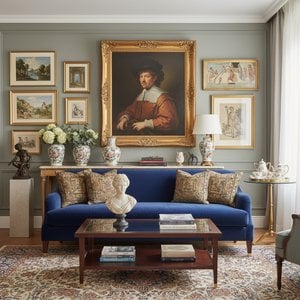
상트페테르부르크 에르미타주 박물관 최고 걸작 25선을 만나보세요. 렘브란트, 레오나르도 다 빈치 등 거장들의 숨겨진 이야기와 예술 기법을 탐험하고, 당신의 공간에 영감을 불어넣는 명화 복제를 WahooArt.com에서 찾아보세요.
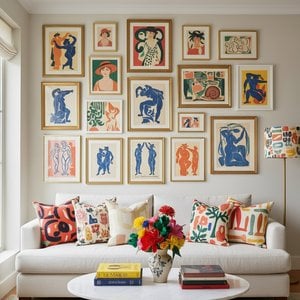
앙리 마티스의 시대를 초월하는 걸작 25선을 만나보세요. 색채주의, 야수파를 대표하는 그의 삶과 예술 세계를 탐험하고, WahooArt에서 명화 복제본으로 거실 인테리어에 감동을 더하세요. 지금 바로 컬렉션을 확인하세요!
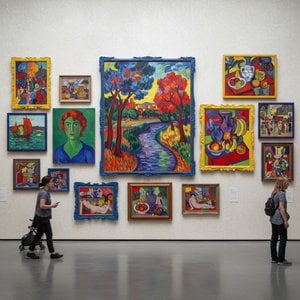
fauve 미술의 심장을 뛰게 하는 10대 걸작! 모리스 드니, 마티스 등 거장의 강렬한 색채와 혁신적인 표현을 만나보세요. 예술 작품 감상부터 인테리어 디자인 영감까지, WahooArt.com에서 명품 아트 프린트를 찾아보세요.
Explore 10 Fauvist masterpieces by Matisse, Derain & Vlaminck that ignited Modern Art! Discover bold colors, expressionist landscapes & the history of this revolutionary movement. Find museum-quality prints at WahooArt.com.

 미리보기
미리보기
 공유하기
공유하기 공유하기
공유하기
 상세 정보
상세 정보

 다운로드
다운로드
 유사 작품
유사 작품 X-레이
X-레이 슬라이드 쇼
 Stats
Stats
 더 보기
더 보기









 유리 옵션은 110cm 미만 크기에서만 선택 가능합니다.


