

작가가 직접 캔버스에 손으로 그린 유화 작품으로, 원하는 크기와 액자로 맞춤 제작해 드립니다. ( 프린트 판매로 전환 디지털 이미지 판매 채널로 전환)





























작품의 원본 비율을 그대로 유지하는 프리셋 사이즈 중에서 선택해 보세요.

특정 프레임이나 공간에 맞춰 원하는 크기를 직접 입력하실 수 있습니다. 선택하신 크기가 원본 이미지의 비율과 일치하지 않을 경우, 작품을 자르거나 추가적인 수작업 요소를 더해 그림을 확장하여 제작합니다. 제작 시작 전, 최종 확인을 위해 디지털 목업을 보내드립니다.
화면상의 미리 보기는 실제 크롭(자르기)이나 확장된 상태를 완벽히 반영하지 않을 수 있습니다. 최종 구도는 오직 목업을 통해서만 정확하게 확인하실 수 있습니다.
맞춤 크기 제작도 가능하지만, 원본의 비율을 그대로 유지하기 위해서는 미리 정의된 목록에서 크기를 선택하시는 것을 권장합니다.

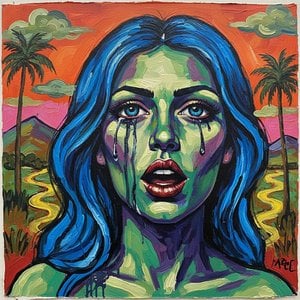
untitled (2265)
복제본 규격
Henri Matisse, a titan amongst Fauvist painters and arguably the most influential artist of his generation, gifted us with “Untitled (2265),” a deceptively simple portrait that belies its profound depth. Painted sometime between 1906 and 1913—a period marked by Matisse’s fervent embrace of Fauvism—this artwork transcends mere representation; it embodies the very essence of Matisse's revolutionary approach to color and form.
Matisse’s decision to eschew traditional shading techniques wasn't arbitrary; it stemmed from a belief that color alone could convey emotion and atmosphere more effectively than grayscale realism. He meticulously studied the work of Impressionists like Monet and Cézanne, recognizing their pioneering use of light and color but ultimately rejecting their adherence to naturalistic observation. Instead, Matisse sought to liberate color from its subservient role in depicting reality, transforming it into an independent element capable of generating feeling.
“Untitled (2265)” emerged during a pivotal moment in art history—the early 20th century—when artists were actively challenging established norms and experimenting with new artistic languages. Matisse’s Fauvist movement represented a bold reaction against the prevailing stylistic trends of the time, signaling a decisive break from Impressionism and Post-Impressionism.
Beyond its formal qualities—color palette, brushstrokes, composition—the painting possesses a subtle symbolic dimension. The woman’s gaze inward suggests a preoccupation with inner thoughts and feelings, reflecting Matisse’s own philosophical concerns about the human condition. The floral wallpaper serves as an additional element of visual richness, subtly reinforcing the theme of beauty and contemplation.


1869 - 1954 , 프랑스
Embark on a journey through the vibrant world of Fauvism. Discover how masters like Henri Matisse revolutionized art through bold colors and raw emotion in this expert-led guide to one of modern art's most powerful movements.

Explore the vibrant revolution of Fauvism. Discover how masters like Matisse liberated color to redefine modern art. Dive into an expert-led journey through the 'Wild Beasts' movement and learn how to bring this bold, expressive energy into your personal collection.

 실제 크기로 보기
 보내기
보내기 공유하기
공유하기
 상세 보기
상세 보기 가이드 보기

 이미지 다운로드
 유사 작품 더 보기
 X-레이
X-레이 슬라이드 쇼 보기
 통계 정보
통계 정보
 상세 보기
상세 보기









 유리 옵션은 110cm 미만 크기에서만 선택 가능합니다.


