
빠른 제작과 다양한 마감 옵션을 제공하는 박물관 품질의 지클레이 또는 캔버스 프린트. ( 손으로 그린 그림 구매 디지털 이미지로 전환)





























작품의 원본 비율을 유지하는 미리 설정된 크기 중에서 선택하세요.

특정 프레임이나 공간에 맞춰 직접 치수를 입력하실 수 있습니다. 선택하신 사이즈가 원본 이미지의 비율과 일치하지 않을 경우, 작품을 크롭(자르기)하거나 이미지를 대칭 또는 단색 채우기로 확장하여 제작합니다. 제작 시작 전, 최종 확인을 위해 디지털 목업이 전송됩니다.
화면상의 미리보기는 실제 크롭이나 확장 상태를 반영하지 않으므로, 최종 구도는 오직 목업을 통해서만 정확하게 확인하실 수 있습니다.
맞춤 사이즈 제작도 가능하지만, 원본 비율을 유지하기 위해서는 사전 정의된 목록에서 치수를 선택하시는 것을 권장합니다.

The Toboggan
복제본 크기
Henri Matisse's "The Toboggan," painted in 1943, isn’t merely a depiction of a man surfing; it’s an exuberant explosion of color and movement—a quintessential example of the artist’s masterful embrace of Fauvism. This vibrant canvas captures a fleeting moment of exhilaration, transporting the viewer to a sun-drenched ocean scene brimming with energy and a palpable sense of joy. The painting immediately draws the eye with its audacious palette: deep blues dominate the background, creating an expansive, almost dreamlike expanse of water, while fiery oranges, yellows, and reds erupt across the figure and his surfboard, injecting a vital dynamism into the composition.
Matisse’s decision to abandon traditional representational techniques in favor of pure color and expressive brushstrokes is central to understanding the painting's impact. He wasn’t striving for photographic accuracy; instead, he sought to evoke feeling through the sheer intensity of his hues. The bold application of paint—often thick and visible—creates a tactile quality, inviting us to almost feel the heat of the sun and the rush of the wave. Notice how the blues aren't blended smoothly but are applied in distinct blocks, contributing to the painting’s overall sense of movement and spontaneity.
“The Toboggan” firmly situates itself within the broader context of Post-Impressionism, a period marked by experimentation and a rejection of Impressionism's focus on capturing fleeting moments of light. Matisse, along with artists like André Derain, pushed beyond mere observation, using color as a primary means of expression. This movement, which developed roughly between 1886 and 1905, reacted against the naturalistic depiction of light and color by Impressionists, prioritizing emotional impact over strict realism. Post-Impressionism laid the groundwork for later movements like Fauvism and Abstract Expressionism, demonstrating a willingness to challenge established artistic conventions.
The inclusion of the boat in the upper left corner provides crucial context, grounding the scene within a recognizable maritime setting. However, Matisse doesn’t dwell on detail; instead, he uses it sparingly, almost as decorative elements that enhance the overall composition. The clock on the right side is particularly intriguing – its presence could be interpreted as a symbol of time passing, or perhaps simply a playful addition to the painting's visual richness. Matisse frequently incorporated such seemingly arbitrary details into his work, adding layers of meaning and inviting interpretation.
Beyond its technical brilliance, “The Toboggan” resonates with powerful symbolism. The surfer’s dynamic pose—a moment of both action and vulnerability—captures the thrill of risk-taking and the pursuit of exhilaration. Surfing itself has long been associated with freedom, adventure, and a connection to nature. Matisse masterfully translates these concepts into a visual narrative, conveying a sense of joyful abandon.
Furthermore, the painting’s vibrant colors evoke feelings of warmth, energy, and optimism. It's a celebration of life—a reminder to embrace spontaneity and find joy in simple pleasures. The use of contrasting hues creates a dynamic tension within the composition, mirroring the exhilarating experience of riding a wave.
“The Toboggan” stands as a pivotal work in Matisse’s oeuvre, showcasing his continued experimentation with color and form throughout his career. His innovative approach to art profoundly influenced subsequent movements, including Abstract Expressionism, where artists like Ernest Briggs were inspired by the bold use of color and expressive brushwork evident in this painting. The influence of Matisse's Fauvist style can be seen in the work of many later artists who sought to liberate color from its representational function.
WahooArt.com is proud to offer meticulously crafted oil painting reproductions of “The Toboggan,” allowing art enthusiasts to experience the beauty and energy of this iconic masterpiece firsthand. These high-quality reproductions capture the essence of Matisse’s vision, bringing a touch of Fauvist joy into your home.
Further Exploration: Discover the broader context of Post-Impressionism


1869 - 1954 , 프랑스

Explore the vibrant world of Fauvism with our expert guide. Discover how Matisse and Derain revolutionized art through bold colors and expressive strokes. Perfect for classic art enthusiasts seeking to deepen their passion for modern masterpieces.

Explore the vibrant revolution of Fauvism. Discover how masters like Matisse liberated color to redefine modern art. Dive into an expert-led journey through the 'Wild Beasts' movement and learn how to bring this bold, expressive energy into your personal collection.
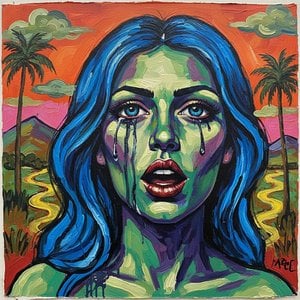
Embark on a journey through the vibrant world of Fauvism. Discover how masters like Henri Matisse revolutionized art through bold colors and raw emotion in this expert-led guide to one of modern art's most powerful movements.


 미리보기
미리보기
 공유하기
공유하기 공유하기
공유하기
 상세 정보
상세 정보

 다운로드
다운로드
 유사 작품
유사 작품 X-레이
X-레이 슬라이드 쇼
 통계 정보
통계 정보

 더 보기
더 보기









 유리 옵션은 110cm 미만 크기에서만 선택 가능합니다.


