

빠른 제작과 다양한 마감 옵션을 선택할 수 있는 박물관 수준의 지클레이 및 캔버스 프린트. ( 수작업 채색 복제본 주문하기 디지털 이미지 판매 채널로 전환)





























작품의 원본 비율을 그대로 유지하는 프리셋 사이즈 중에서 선택해 보세요.

액자나 벽면 크기에 맞춰 필요한 가로와 세로 길이를 입력해 주세요. 프린트는 원본 이미지보다 크게 제작할 수 없으며 오직 자르는 것만 가능하므로, 비율이 다른 사이즈를 선택할 경우 이미지의 일부가 잘려 나갈 수 있습니다. 인쇄 작업에 들어가기 전, 최종 확인을 위해 디지털 목업을 보내드립니다. 이 페이지에 표시된 이미지는 실제 잘리는 영역을 나타내지 않으며, 오직 목업을 통해서만 정확한 확인이 가능합니다.
the moraccans
복제본 규격
Henri Matisse's “The Moroccans,” painted in 1916 during his transformative sojourn in Morocco, isn’t merely a depiction of a street scene; it’s an immersive experience—a vibrant distillation of color, form, and the artist’s burgeoning fascination with North African culture. This captivating work, currently residing within the esteemed collection of the Museum of Modern Art (MoMA) in New York City, represents a pivotal moment in Matisse's artistic evolution, marking his transition from traditional academic painting towards the bold experimentation that would define his Fauvist period.
The scene unfolds with an almost hallucinatory intensity. A central figure, a man seated on the ground, is rendered in a simplified, almost mask-like fashion—his back turned to the viewer, inviting speculation about his thoughts and experiences. Before him lies a captivating arrangement of oranges, their brilliant hues echoing throughout the composition. These aren’t simply fruits; they become symbolic anchors, radiating warmth and vitality against the cooler tones of the surrounding architecture. Behind this tableau, glimpses of a bustling street reveal a series of buildings, hinting at a vibrant urban life, while a mosque's minaret punctuates the skyline.
“The Moroccans” is firmly rooted in the principles of Cubism, though Matisse’s interpretation diverges significantly from Picasso’s more analytical approach. Rather than dissecting objects into geometric fragments, Matisse employs a flattened perspective and overlapping planes to create an illusion of depth—a sense of being enveloped within the scene. The colors themselves are paramount; they aren't used descriptively but rather expressively, creating a symphony of reds, yellows, greens, and browns that pulsate with energy. This deliberate departure from naturalistic representation is characteristic of Fauvism, where color becomes the primary subject matter.
Matisse’s technique is remarkably loose and gestural. He employs broad brushstrokes and vibrant washes of paint, creating a sense of movement and spontaneity. The surface of the canvas isn't meticulously rendered; instead, it’s alive with texture and visual rhythm. This tactile quality invites the viewer to engage with the painting on a visceral level, experiencing its energy directly.
The choice of subject matter—a Moroccan street scene—was deeply significant for Matisse. Morocco represented an escape from the constraints of European artistic conventions and a gateway to a world brimming with exotic beauty and sensory stimulation. The oranges themselves are laden with symbolism, representing abundance, fertility, and even sacrifice – all potent themes within Moroccan culture. The man seated on the ground could be interpreted as a contemplative figure, lost in thought or perhaps observing the vibrant life unfolding before him. The overall composition suggests a moment of quiet contemplation amidst the bustling activity of the street.
“The Moroccans” transcends its literal subject matter to evoke a powerful emotional response. It’s not simply a representation of a place; it's an evocation of atmosphere—a feeling of warmth, vibrancy, and exotic allure. The painting’s bold colors and dynamic composition create a sense of immediacy, drawing the viewer into the scene and inviting them to lose themselves in its sensory richness. It is a testament to Matisse’s ability to capture not just what he saw, but also what he *felt*—a profound connection to the world around him.
Today, “The Moroccans” stands as a cornerstone of modern art, demonstrating Matisse's revolutionary approach to color and form. Reproductions offer a chance to bring this captivating vision into your own space, injecting a dose of vibrant energy and exotic allure into any room.
앙리 마티스의 "the moraccans"은(는) Calm한 분위기 속에서 moroccan scene, color palette, figures, terrace, orange, patterned surface, composition, matisse을(를) 묘사합니다. 작품의 주제와 분위기가 어우러져 하나의 완성된 세계를 보여줍니다.
앙리 마티스의 "the moraccans"에 나타난 주제로는 moroccan scene, color palette, figures, terrace, orange, patterned surface, composition, matisse 등이 있습니다. 이들은 모여 작품의 소재를 요약해 보여줍니다.
앙리 마티스의 "the moraccans"은(는) Landscape 형식입니다. 이 형식은 작품 구성의 비율을 나타냅니다.


1869 - 1954 , 프랑스
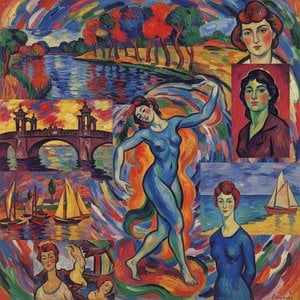
Explore 10 Fauvist masterpieces by Matisse, Derain & Vlaminck that ignited Modern Art! Discover bold colors, expressionist landscapes & the history of this revolutionary movement. Find museum-quality prints at WahooArt.com.

Explore the vibrant revolution of Fauvism. Discover how masters like Henri Matisse liberated color from reality to express pure emotion. An expert guide into the 'Wild Beasts' of modern art history for collectors and enthusiasts.
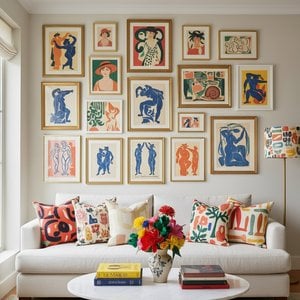
앙리 마티스의 시대를 초월하는 걸작 25선을 만나보세요. 색채주의, 야수파를 대표하는 그의 삶과 예술 세계를 탐험하고, WahooArt에서 명화 복제본으로 거실 인테리어에 감동을 더하세요. 지금 바로 컬렉션을 확인하세요!
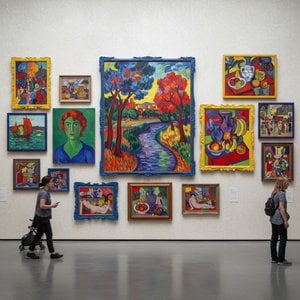
fauve 미술의 심장을 뛰게 하는 10대 걸작! 모리스 드니, 마티스 등 거장의 강렬한 색채와 혁신적인 표현을 만나보세요. 예술 작품 감상부터 인테리어 디자인 영감까지, WahooArt.com에서 명품 아트 프린트를 찾아보세요.
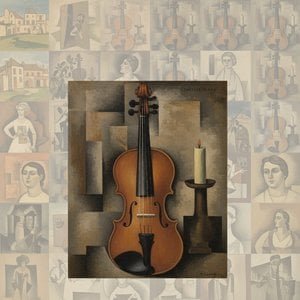
조르주 브라크의 시대를 초월한 25개의 걸작을 만나보세요. 입체주의를 개척한 프랑스 화가의 예술 세계와 숨겨진 이야기를 WahooArt에서 감상하고, 명작 유화 복제본으로 공간에 특별함을 더하세요. 지금 바로 컬렉션을 탐험하세요!

 실제 크기로 보기
 보내기
보내기 공유하기
공유하기
 상세 보기
상세 보기 가이드 보기

 이미지 다운로드
 유사 작품 더 보기
 X-레이
X-레이 슬라이드 쇼 보기
 통계 정보
통계 정보

 상세 보기
상세 보기









 유리 옵션은 110cm 미만 크기에서만 선택 가능합니다.


