
 Acrylic On CanvasWallArtFauvism
 194719th Century
 42.0 x 32.0 cm
작가가 직접 캔버스에 손으로 그린 유화 작품으로, 원하는 크기와 액자로 맞춤 제작해 드립니다. ( 프린트 판매로 전환 디지털 이미지 판매 채널로 전환)





























작품의 원본 비율을 그대로 유지하는 프리셋 사이즈 중에서 선택해 보세요.

특정 프레임이나 공간에 맞춰 원하는 크기를 직접 입력하실 수 있습니다. 선택하신 크기가 원본 이미지의 비율과 일치하지 않을 경우, 작품을 자르거나 추가적인 수작업 요소를 더해 그림을 확장하여 제작합니다. 제작 시작 전, 최종 확인을 위해 디지털 목업을 보내드립니다.
화면상의 미리 보기는 실제 크롭(자르기)이나 확장된 상태를 완벽히 반영하지 않을 수 있습니다. 최종 구도는 오직 목업을 통해서만 정확하게 확인하실 수 있습니다.
맞춤 크기 제작도 가능하지만, 원본의 비율을 그대로 유지하기 위해서는 미리 정의된 목록에서 크기를 선택하시는 것을 권장합니다.

The Circus
복제본 규격
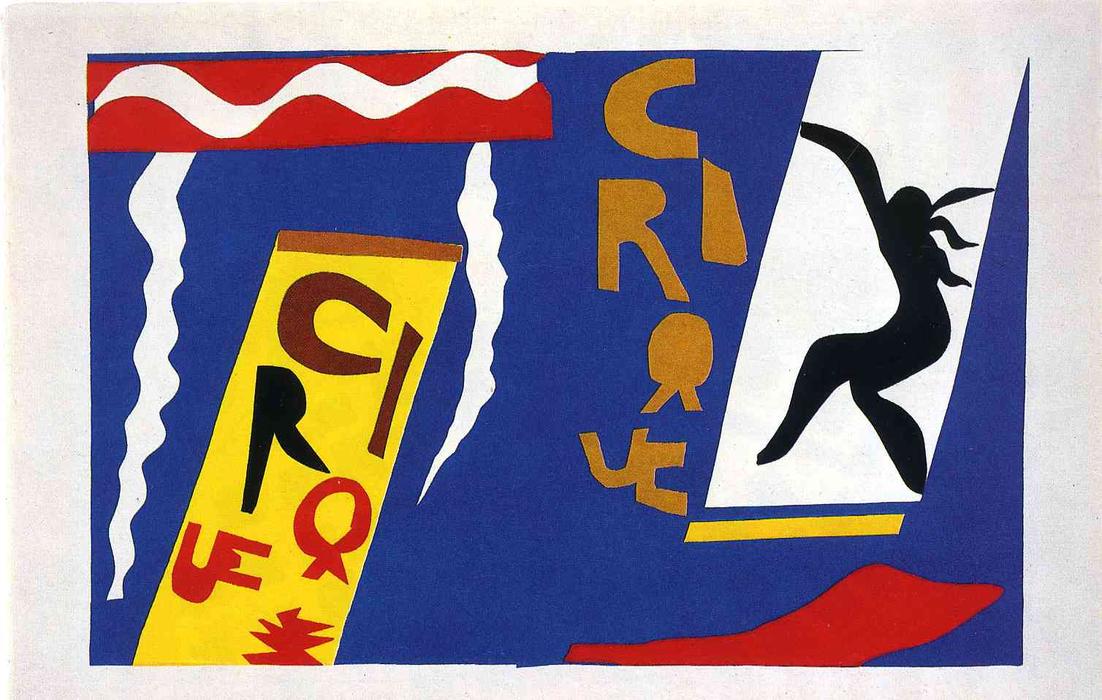
“The Circus” by Henri Matisse, painted in 1947, isn't merely a depiction of a traveling spectacle; it’s an immersive experience—a vibrant snapshot of joy, energy, and the fleeting magic of performance. This captivating work, rendered in gouache on paper, embodies Matisse’s mature style, showcasing his masterful command of color and his revolutionary approach to composition. It’s a piece that pulsates with life, inviting the viewer into its dynamic world.
Matisse, already a celebrated figure by 1947, had spent decades refining his artistic language. He was moving beyond the bold, flat planes of his earlier Fauvist period, embracing a more nuanced approach to form and space. “The Circus” exemplifies this evolution. The figures are simplified, almost abstracted, yet imbued with an undeniable sense of movement and personality. Notice how he uses overlapping shapes and contrasting colors—the fiery reds and oranges of the performers against the cool blues and greens of the background—to create a powerful visual rhythm.
The painting’s palette is deliberately exuberant, a testament to Matisse's lifelong fascination with color. He wasn’t interested in replicating reality; instead, he used color as an expressive tool, employing it to evoke emotion and create a sense of harmony. The dominant hues—a rich crimson, vibrant turquoise, and sunny yellow—are applied with thick, confident strokes, creating a tactile surface that practically vibrates with energy. The composition itself is carefully orchestrated. The central figure, a woman in a black dress, is positioned as the focal point, drawing the eye while the surrounding figures contribute to the overall sense of bustling activity.
Matisse’s technique here is particularly noteworthy. He employed a method he called “drawing with scissors,” creating paper cutouts that were then painted and arranged into dynamic compositions. This process allowed him to explore new possibilities in design, moving away from traditional brushwork and embracing the spontaneity of collage. The resulting image feels both meticulously planned and delightfully unpredictable – a perfect reflection of the circus itself.
“The Circus” is rich with symbolic meaning. The figures represent not just individual performers, but also the collective spirit of entertainment—the joy, excitement, and wonder that circuses have traditionally inspired. The woman in black, likely a performer herself, embodies grace and dynamism. The birds circling above suggest freedom and spectacle. Even the simple details – the striped costumes, the brightly colored banners – contribute to the overall sense of theatricality.
Furthermore, the painting can be interpreted as an exploration of the ephemeral nature of performance. Like a fleeting circus act, the image itself is transient—a captured moment in time. It’s a reminder that beauty and joy are often found in the temporary and the unexpected. The inclusion of two birds adds to this sense of flight and freedom, mirroring the acrobatic feats performed within the scene.
“The Circus” is more than just a beautiful painting; it’s a testament to Matisse's genius—a celebration of color, movement, and the human spirit. Its vibrant energy and captivating composition continue to resonate with viewers today. Reproductions of this iconic work offer an accessible way to bring this extraordinary piece into your home or office, allowing you to experience its transformative power firsthand. It’s a perfect addition for anyone seeking to infuse their space with joy, creativity, and a touch of theatrical flair.


1869 - 1954 , 프랑스
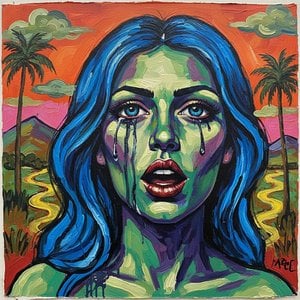
Embark on a journey through the vibrant world of Fauvism. Discover how masters like Henri Matisse revolutionized art through bold colors and raw emotion in this expert-led guide to one of modern art's most powerful movements.

Explore the vibrant world of Fauvism with our expert guide. Discover how Matisse and Derain revolutionized art through bold colors and expressive strokes. Perfect for classic art enthusiasts seeking to deepen their passion for modern masterpieces.

Explore the vibrant revolution of Fauvism. Discover how masters like Matisse liberated color to redefine modern art. Dive into an expert-led journey through the 'Wild Beasts' movement and learn how to bring this bold, expressive energy into your personal collection.

 실제 크기로 보기
 보내기
보내기 공유하기
공유하기
 상세 보기
상세 보기 가이드 보기

 이미지 다운로드
 유사 작품 더 보기
 X-레이
X-레이 슬라이드 쇼 보기
 통계 정보
통계 정보 상세 보기
상세 보기









 유리 옵션은 110cm 미만 크기에서만 선택 가능합니다.


