
원하는 크기와 액자로 주문 제작되는, 작가들이 직접 캔버스에 손으로 그린 유화 작품입니다. ( 프린트 판매로 전환 디지털 이미지로 전환)





























작품의 원본 비율을 유지하는 미리 설정된 크기 중에서 선택하세요.

특정 프레임이나 공간에 맞도록 직접 크기를 입력할 수 있습니다. 선택하신 크기가 원본 이미지의 비율과 일치하지 않는 경우, 작품을 자르거나 추가적인 손으로 그린 요소를 사용하여 그림을 확장합니다. 제작 시작 전 승인을 위해 디지털 목업을 보내드립니다.
화면 미리 보기는 실제 자르기 또는 확장을 반영하지 않습니다. 최종 구성은 목업을 통해서만 정확하게 확인하실 수 있습니다.
맞춤 크기 제작도 가능하지만, 원본 비율을 유지하기 위해 사전 정의된 목록에서 크기를 선택하시는 것을 권장합니다.

Still Life with Pineapples
복제본 크기
Henri Matisse, a titan of Fauvist art and arguably the most influential painter of the 20th century, possessed an unwavering conviction that color could convey emotion as powerfully as form. His canvases pulsate with vibrancy—a deliberate rejection of Impressionism's subtle gradations—and ‘Still Life with Pineapples,’ created in 1925, exemplifies this philosophy perfectly. This deceptively simple composition transcends mere representation; it’s an invitation to experience a moment frozen in time, saturated with feeling.
The painting’s historical context is crucial to understanding its significance. Produced during Matisse's prolific period following his return from Morocco—where he was profoundly influenced by Berber art—the artwork reflects a fascination with vibrant color palettes and simplified forms. It aligns seamlessly with the broader artistic movement of Fauvism, which sought to liberate painting from academic constraints and prioritize emotional expression.
Beyond its aesthetic qualities, ‘Still Life with Pineapples’ carries symbolic weight. The pineapple itself represents optimism and good fortune—a visual affirmation of vitality and joy. Coupled with the fruits—symbols of nourishment and seasonal bounty—the composition speaks to themes of celebration and appreciation for the natural world. Matisse's intention wasn’t simply to depict objects; he aimed to evoke a feeling, capturing a fleeting moment of serene beauty.
Ultimately, ‘Still Life with Pineapples’ stands as a testament to Matisse’s artistic vision—a bold declaration that color could transform observation into experience. Its enduring appeal lies in its ability to transport viewers back to a time when art prioritized emotion and spontaneity, cementing its place as one of the most captivating still life paintings of the era.


1869 - 1954 , 프랑스
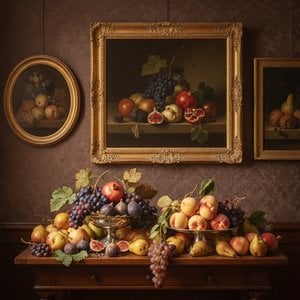
Discover the profound beauty of fruit still life paintings. Explore the rich symbolism, Baroque mastery, and timeless allure of nature's bounty through an art-historical lens, perfect for collectors and enthusiasts of classical fine art.

Explore the profound beauty of fruit arrangement masterpieces. From Dutch Golden Age opulence to Baroque chiaroscuro, discover the art history, symbolism, and timeless elegance of classical still life paintings for the discerning collector.

Explore the vibrant world of Fauvism with our expert guide. Discover how Matisse and Derain revolutionized art through bold colors and expressive strokes. Perfect for classic art enthusiasts seeking to deepen their passion for modern masterpieces.

Embark on a journey through the vibrant world of Fauvism. Discover how masters like Henri Matisse revolutionized art through bold colors and raw emotion in this expert-led guide to one of modern art's most powerful movements.


 미리보기
미리보기
 공유하기
공유하기 공유하기
공유하기
 상세 정보
상세 정보

 다운로드
다운로드
 유사 작품
유사 작품 X-레이
X-레이 슬라이드 쇼
 통계 정보
통계 정보
 더 보기
더 보기









 유리 옵션은 110cm 미만 크기에서만 선택 가능합니다.


