

빠른 제작과 다양한 마감 옵션을 선택할 수 있는 박물관 수준의 지클레이 및 캔버스 프린트. ( 수작업 채색 복제본 주문하기 디지털 이미지 판매 채널로 전환)





























작품의 원본 비율을 그대로 유지하는 프리셋 사이즈 중에서 선택해 보세요.

특정 프레임이나 공간에 맞춰 직접 치수를 입력하실 수 있습니다. 선택하신 사이즈가 원본 이미지의 비율과 일치하지 않을 경우, 작품을 크롭(자르기)하거나 이미지를 대칭 또는 단색 채우기로 확장하여 제작합니다. 제작 시작 전, 최종 확인을 위해 디지털 목업이 전송됩니다.
화면상의 미리보기는 실제 크롭이나 확장 상태를 반영하지 않으므로, 최종 구도는 오직 목업을 통해서만 정확하게 확인하실 수 있습니다.
맞춤 사이즈 제작도 가능하지만, 원본 비율을 유지하기 위해서는 사전 정의된 목록에서 치수를 선택하시는 것을 권장합니다.

Still Life
복제본 규격
Henri Matisse’s “Still Life with Blue Jug” (1905), housed at The San Francisco Museum of Modern Art, stands as a cornerstone of Fauvist art—a movement that irrevocably altered the course of painting in the early 20th century. More than just an arrangement of fruit and earthenware; it embodies Matisse’s revolutionary approach to representation, prioritizing expressive color over meticulous detail.
The deliberate use of color is paramount to understanding “Still Life.” Matisse employed a palette dominated by intense blues, reds, and yellows – colors chosen not for their optical accuracy but for their ability to convey mood and emotion. The vibrant hues pulsate with energy, creating an immersive experience for the viewer.
Beyond its aesthetic qualities, the painting speaks to broader themes of beauty and contemplation. Matisse’s masterful simplification invites viewers to focus on the fundamental elements of form and color—a deliberate rejection of representational illusion. It's a testament to his belief that art should stimulate the senses and evoke feelings rather than merely mirroring reality.
“Still Life” continues to resonate today as a symbol of artistic liberation and a celebration of color's transformative power. Its enduring appeal lies in its ability to transport us back to a pivotal moment in art history—a time when artists dared to break free from tradition and forge their own path toward expressive innovation.

1869 - 1954 , 프랑스
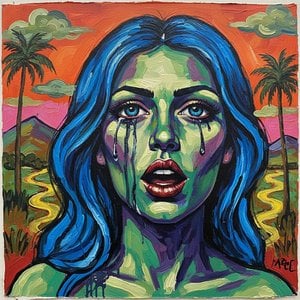
Embark on a journey through the vibrant world of Fauvism. Discover how masters like Henri Matisse revolutionized art through bold colors and raw emotion in this expert-led guide to one of modern art's most powerful movements.

Explore the profound beauty of fruit arrangement masterpieces. From Dutch Golden Age opulence to Baroque chiaroscuro, discover the art history, symbolism, and timeless elegance of classical still life paintings for the discerning collector.

 실제 크기로 보기
 보내기
보내기 공유하기
공유하기
 상세 보기
상세 보기 가이드 보기

 이미지 다운로드
 유사 작품 더 보기
 X-레이
X-레이 슬라이드 쇼 보기
 통계 정보
통계 정보
 상세 보기
상세 보기









 유리 옵션은 110cm 미만 크기에서만 선택 가능합니다.


