미리보기미리보기 AR 미리보기AR 미리보기 손으로 그린 그림 구매 손으로 그린 그림 구매디지털 이미지로 전환 디지털 이미지로 전환 공유하기공유하기
상세 정보상세 정보 즐겨찾기에 추가 즐겨찾기에 추가 다운로드다운로드 유사 작품유사 작품 X-레이X-레이 슬라이드 쇼슬라이드 쇼 통계 정보통계 정보

Still Life (18)

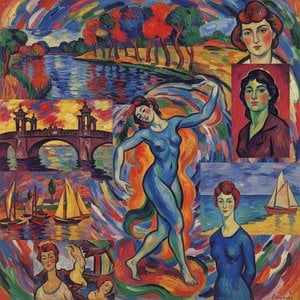
마테리스 화가는 강렬한 색채와 자유로운 표현 기법으로 현대 미술에 혁명을 일으켰습니다. 대표작은 아름다운 정원과 인물들을 그린 그림들로 유명하며, 특히 후기 작품인 콜라주 기법은 그의 예술적 영감을 보여줍니다.

지클레 / 아트 프린트

빠른 제작과 다양한 마감 옵션을 제공하는 박물관 품질의 지클레이 또는 캔버스 프린트. (손으로 그린 그림 구매 손으로 그린 그림 구매디지털 이미지로 전환 디지털 이미지로 전환)

P118B $10
P118H $10
P118W $10
P438Z $10
P508JH $12
P508YH $12
P805H $10
P805Z $10
P919BZ $10
P919G $10
P919XJ $10
P959ZH $10
P968JZ $12
W106C $8
W218G $10
W218JH $8
W218Y $10
W307PJ $10
W316G $10
W316PJ $8
W316Y $10
W398PJ $8
W4111J $10
W500HY $15
W500JH $15
W692G $12
W849H $8
W940BG $15
W953PJ $8

표준 규격
맞춤형
CM
INCH

작품의 원본 비율을 유지하는 미리 설정된 크기 중에서 선택하세요.

가로 너비
세로 길이

특정 프레임이나 공간에 맞춰 직접 치수를 입력하실 수 있습니다. 선택하신 사이즈가 원본 이미지의 비율과 일치하지 않을 경우, 작품을 크롭(자르기)하거나 이미지를 대칭 또는 단색 채우기로 확장하여 제작합니다. 제작 시작 전, 최종 확인을 위해 디지털 목업이 전송됩니다.
화면상의 미리보기는 실제 크롭이나 확장 상태를 반영하지 않으므로, 최종 구도는 오직 목업을 통해서만 정확하게 확인하실 수 있습니다.
맞춤 사이즈 제작도 가능하지만, 원본 비율을 유지하기 위해서는 사전 정의된 목록에서 치수를 선택하시는 것을 권장합니다.

전 세계 배송()은 일반적인 4~5주의 소요 기간 대신 2주 이내에 완료됩니다. (9 9월)

why_choose_icon
전 세계 무료 특급 배송
why_choose_icon
프리미엄 린넨 캔버스
why_choose_icon
전체 배송 보험 보장
why_choose_icon
관세 환불 보장
why_choose_icon
실제 색상 일치 보장
why_choose_icon
100일 반품 정책 (결함 발생 시에만 적용)
why_choose_icon
100% 환불 보장
why_choose_icon
다량 구매 할인 혜택

총 합계 금액

$ 68

reproduction

Still Life (18)

지클레 / 아트 프린트

복제본 크기

-

최종 결제 금액

$ 68

작품 정보 요약

  • Influences: Post-Impressionism
  • Artistic style: Expressive
  • Artist: Henri Matisse
  • Movement: Fauvism
  • Subject or theme: Fruit Still Life
  • Title: Still Life

예술 상식 퀴즈

각 질문의 정답은 하나뿐입니다.

질문 1:
What artistic movement is Henri Matisse’s ‘Still Life (18)’ primarily associated with?
질문 2:
The painting depicts a simple scene featuring lemons and a vase. What is the dominant characteristic of Matisse’s approach to portraying these objects?
질문 3:
Where is Henri Matisse's 'Still Life (18)' currently housed?
질문 4:
Matisse’s decision to paint after his illness demonstrates a significant shift in his artistic priorities. What was this newfound focus?
질문 5:
How does Matisse’s technique contribute to the overall impression conveyed by ‘Still Life (18)’?

A Symphony of Citrus Hue: Exploring Henri Matisse’s Still Life (18)

Henri Matisse's "Still Life (18)" isn’t merely a depiction of lemons and a vase; it’s an embodiment of Fauvist principles distilled onto canvas—a testament to the transformative power of color as expressive language. Painted in 1897, this deceptively simple composition reveals layers of artistic innovation that continue to resonate with audiences today. Initially drawn to law, Matisse's convalescence following appendicitis unexpectedly unlocked a passion for painting, gifting him a profound understanding of how visual elements could convey emotion and provoke contemplation. This formative experience profoundly shaped his artistic trajectory, propelling him away from academic conventions toward a bold new aesthetic direction.
  • Subject Matter: The artwork centers around two lemons resting on a tabletop alongside a vase—objects chosen not for their inherent grandeur but for their ability to serve as vehicles for color exploration.
  • Style: Matisse’s “Still Life (18)” firmly establishes him within the Fauvist movement, characterized by its rejection of naturalistic representation in favor of vibrant hues and flattened planes of color. This stylistic choice deliberately departs from Impressionism's focus on capturing fleeting moments of light and atmosphere.

Technique: Embracing Bold Color and Simplified Form

Matisse’s technique is revolutionary for its time. He eschewed meticulous blending, opting instead for thick impasto—heavy application of paint—to build up textured surfaces that pulsate with color. The lemons themselves are rendered in shades of yellow and orange, aggressively juxtaposed against the muted green of the vase. This deliberate disregard for tonal gradation underscores Matisse’s commitment to conveying emotion through pure color – a core tenet of Fauvist philosophy. Furthermore, he simplifies forms, reducing them to geometric shapes that emphasize their essential qualities rather than striving for photographic accuracy.

Historical Context: Challenging Artistic Tradition

“Still Life (18)” emerged during a period of significant artistic upheaval. Impressionism had dominated the art world since the mid-1860s, establishing standards of realism and tonal subtlety. Matisse’s Fauvist approach directly confronted these conventions, asserting that color could communicate feeling more effectively than traditional methods. This defiance wasn't born out of nihilistic rejection but rather from a conviction that art should aspire to something greater—a celebration of beauty and an exploration of the human experience. The painting represents a crucial step in Matisse’s artistic evolution and embodies the broader movement’s desire to liberate color from its subservient role within representational painting.

Symbolism & Emotional Impact: Beyond Representation

While seemingly unassuming, “Still Life (18)” carries symbolic weight. Lemons, traditionally associated with freshness, vitality, and optimism—themes central to Matisse’s worldview—are presented in bold hues that amplify their expressive potential. The vase serves as a grounding element, anchoring the composition while simultaneously highlighting the dominance of color. Ultimately, the painting evokes a feeling of serene contemplation – an invitation to appreciate the beauty of simple forms and the transformative power of color. It speaks to Matisse’s belief that art should inspire joy and elevate the spirit, cementing its place as a cornerstone of Fauvist legacy.

작가 약력

색채의 거장, 앙리 마티스: 삶과 예술

앙리 에밀 베노와 마티스는 1869년 프랑스 북부 작은 마을 레 카토-캄브레시에서 태어났습니다. 법학을 공부하려던 그는 우연히 병으로 입원하며 그림에 눈뜨게 되었고, 어머니에게 받은 물감 세트가 그의 삶의 전환점이 되었습니다. 보앵-앙-베르망두아에서 성장하며 상인의 아들로 평범한 삶을 살았지만, 예술가의 길을 걷기로 결심한 순간부터 그는 색채와 형태로 표현되는 새로운 세계를 향해 나아갔습니다. 파리 학원과 에콜 데 보자르에서 전통적인 기법을 익혔지만, 그의 작품은 곧 자신만의 독특한 목소리를 찾아나갈 준비가 되어 있었습니다.

야수파의 탄생과 대담한 실험

1896년 존 러셀과의 Belle Île 방문이 마티스의 예술 세계에 결정적인 영향을 미쳤습니다. 러셀을 통해 인상주의를 접하고, 더욱 중요한 것은 빈센트 반 고흐의 강렬한 색채와 감정을 담은 작품들을 보며 충격을 받았습니다. 이는 그의 팔레트를 변화시키고, 엄격한 재현 대신 감정과 어우러지는 색채를 탐구하도록 이끌었습니다. 이러한 탐색의 결과로 1905년 야수파가 등장했습니다. ‘야수’라는 이름은 비평가들이 그들의 강렬하고 비전통적인 작품에 붙인 조롱이었지만, 마티스와 앙드레 데랭, 모리스 드 블라멩크 등은 색채를 독립적인 표현 수단으로 활용하며 미술계에 새로운 바람을 일으켰습니다. 호박들(1905)과 같은 작품에서 볼 수 있듯이, 그는 전통적인 원근법을 무시하고 순수한 색면을 사용하여 강렬한 시각적 효과를 만들어냈습니다. 야수파는 짧은 기간 동안 존재했지만, 현대 미술의 흐름을 바꾸는 데 중요한 역할을 했습니다.

장식과 조화: 예술의 진화

야수파 운동 이후 마티스는 더욱 세련된 스타일로 나아갔습니다. 색채에 대한 사랑을 포기하지 않으면서도, 그의 작품은 장식적인 아름다움을 강조하고 형태를 단순화하는 경향을 보였습니다. 프랑스 리비에라의 니스에서 정착하면서 지중해의 햇살과 여유로운 분위기가 그의 예술에 반영되었고, 평온함과 고전적인 균형미가 느껴지는 작품들을 탄생시켰습니다. 그는 회화뿐만 아니라 도자기, 직물 등 다양한 매체를 통해 자신의 예술적 비전을 확장했습니다. 단순한 장면 묘사를 넘어, 특정한 감정을 불러일으키는 환경을 구축하고자 했습니다.

제한 속의 혁신: 종이 콜라주

건강 악화로 인해 전통적인 회화 기법을 사용하기 어려워지자, 마티스는 종이 콜라주라는 새로운 예술 영역을 개척했습니다. 1947년부터 시작된 이 작업은 필연에 의해 촉발되었지만, 곧 그의 예술적 탐구의 중요한 단계가 되었습니다. 그는 넓은 종이를 다채로운 색상으로 칠한 후, 가위로 잘라낸 형태들을 캔버스 위에 배열하여 역동적이면서도 간결한 작품을 창조했습니다. 이러한 콜라주들은 단순히 회화의 대체재가 아니라, 색과 형태에 대한 새로운 사고방식을 제시하며 그의 예술적 유산을 더욱 풍성하게 만들었습니다. 종이 콜라주는 그에게 순수한 형태와 색채를 얻는 데 유리했을 뿐만 아니라, 이전 작품들의 주제와 모티프를 새롭고 혁신적인 방식으로 재해석할 수 있는 기회를 제공했습니다.

현대 미술에 미친 영향: 마티스의 유산

1954년 니스에서 세상을 떠난 앙리 마티스는 현대 미술사에 지대한 영향을 미쳤습니다. 그는 전통적인 표현 방식을 거부하고 색채의 힘을 옹호하며, 후대 예술가들에게 영감을 주었습니다. 파블로 피카소와 함께 20세기 미술을 정의한 주요 인물 중 한 명으로 평가받으며, 그의 작품은 전 세계 박물관과 개인 소장품에서 감상할 수 있습니다. 마티스는 단순한 그림쟁이가 아니라, 색채, 조화, 그리고 무한한 가능성으로 가득 찬 세상을 창조하고자 했던 예술가였습니다. 그는 우리가 세상을 보는 방식을 바꾸었고, 그의 유산은 오늘날까지도 현대 미술에 깊은 영향을 미치고 있습니다.
앙리 마티스

앙리 마티스

1869 - 1954 , 프랑스

주요 정보

  • 국적: 프랑스
  • 대표 작품:
    • 호박들
    • 흰 터번을 쓴 로레트
  • 사망일: 1954년 11월 3일
  • 영향을 받은 예술가:
    • 모던 미술
    • 표현주의
  • 영향을 준 예술가:
    • 반 고흐
    • 샤르댕
    • 러스
  • 예술 사조: 포비즘 (Fauvism)
  • 전체 이름: 앙리 에밀 베노와 마티스
  • 출생일: 1869년 12월 31일
  • 출생지: 르 카토-캄브레시, 프랑스
테마, 스타일 및 특징별로 분류된 작품들을 만나보세요.