
빠른 제작과 다양한 마감 옵션을 제공하는 박물관 품질의 지클레이 또는 캔버스 프린트. ( 손으로 그린 그림 구매 디지털 이미지로 전환)





























작품의 원본 비율을 유지하는 미리 설정된 크기 중에서 선택하세요.

특정 프레임이나 공간에 맞춰 직접 치수를 입력하실 수 있습니다. 선택하신 사이즈가 원본 이미지의 비율과 일치하지 않을 경우, 작품을 크롭(자르기)하거나 이미지를 대칭 또는 단색 채우기로 확장하여 제작합니다. 제작 시작 전, 최종 확인을 위해 디지털 목업이 전송됩니다.
화면상의 미리보기는 실제 크롭이나 확장 상태를 반영하지 않으므로, 최종 구도는 오직 목업을 통해서만 정확하게 확인하실 수 있습니다.
맞춤 사이즈 제작도 가능하지만, 원본 비율을 유지하기 위해서는 사전 정의된 목록에서 치수를 선택하시는 것을 권장합니다.

Still Life (15)
복제본 크기
Henri Matisse's “Still Life (15),” painted sometime between late 1905 and the beginning of 1906, represents a pivotal moment in the artist’s artistic evolution. Emerging from the vibrant embrace of Neo-Impressionism—characterized by its deliberate application of small dots of pure pigment—Matisse deftly transitioned towards a bolder aesthetic that would define his legacy. This deceptively simple composition captures an ordinary scene – a vase brimming with pink blossoms and green foliage – yet it transcends mere representation, becoming a profound meditation on color, form, and the quiet beauty of nature.
Matisse wasn't merely replicating what he saw; he was actively shaping perception. The painting exemplifies his groundbreaking technique—the “fauvist” approach—where color is prioritized above all else. Rather than blending hues to create subtle gradations, Matisse employed juxtaposed blocks of intense pigment – predominantly shades of pink and green – creating a visual dynamism that defies conventional realism. These dots of color aren’t randomly scattered; they are meticulously arranged to generate rhythmic patterns and imbue the canvas with palpable energy. As noted by curators at The Metropolitan Museum of Art, “With rhythmic brushstrokes, Matisse rendered space and objects alike,” highlighting his masterful control over texture and visual impact.
Matisse’s work stands firmly within the context of Impressionism’s waning influence. Artists like Claude Monet and Pierre-Auguste Renoir had championed capturing fleeting moments of light and atmosphere, prioritizing optical sensations over detailed depiction. However, Matisse rejected this aesthetic restraint, responding instead to a burgeoning desire for expressive abstraction. He sought to convey emotion directly through color, mirroring the spirit of Symbolism—a movement that prioritized subjective experience and psychological resonance. This defiance of artistic conventions signaled a significant step away from academic traditions and toward a more liberated vision of art.
The inclusion of flowers – specifically pink blossoms – is laden with symbolic significance. Traditionally, pink represents tenderness, femininity, and purity—themes frequently explored in Symbolist art. The vase itself serves as a container for these blooms, suggesting an enclosure of beauty and fragility. Furthermore, the careful placement of the leaves around the flower reinforces the connection between nature and human emotion. Matisse’s deliberate choices communicate not just visual information but also deeper psychological ideas, inviting contemplation on themes of love, serenity, and artistic idealism.
“Still Life (15)” continues to captivate viewers today due to its masterful execution and enduring emotional impact. Matisse’s unwavering commitment to color—coupled with his innovative technique—creates a visual experience that is both stimulating and profoundly calming. It serves as an inspiring reminder of the transformative power of art, demonstrating how seemingly simple subjects can be elevated into expressions of profound beauty and contemplation. Reproductions of this iconic artwork offer collectors and interior designers alike the opportunity to bring Matisse’s vision of color and form into their homes, fostering a connection with one of the most influential artists of the 20th century.


1869 - 1954 , 프랑스

Explore the vibrant world of Fauvism with our expert guide. Discover how Matisse and Derain revolutionized art through bold colors and expressive strokes. Perfect for classic art enthusiasts seeking to deepen their passion for modern masterpieces.
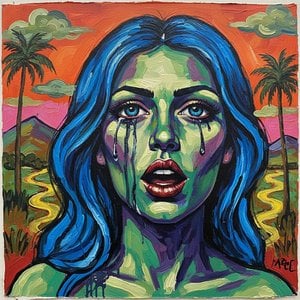
Embark on a journey through the vibrant world of Fauvism. Discover how masters like Henri Matisse revolutionized art through bold colors and raw emotion in this expert-led guide to one of modern art's most powerful movements.


 미리보기
미리보기
 공유하기
공유하기 공유하기
공유하기
 상세 정보
상세 정보

 다운로드
다운로드
 유사 작품
유사 작품 X-레이
X-레이 슬라이드 쇼
 통계 정보
통계 정보
 더 보기
더 보기









 유리 옵션은 110cm 미만 크기에서만 선택 가능합니다.


