
원하는 크기와 액자로 주문 제작되는, 작가들이 직접 캔버스에 손으로 그린 유화 작품입니다. ( 프린트 판매로 전환 디지털 이미지로 전환)





























작품의 원본 비율을 유지하는 미리 설정된 크기 중에서 선택하세요.

특정 프레임이나 공간에 맞도록 직접 크기를 입력할 수 있습니다. 선택하신 크기가 원본 이미지의 비율과 일치하지 않는 경우, 작품을 자르거나 추가적인 손으로 그린 요소를 사용하여 그림을 확장합니다. 제작 시작 전 승인을 위해 디지털 목업을 보내드립니다.
화면 미리 보기는 실제 자르기 또는 확장을 반영하지 않습니다. 최종 구성은 목업을 통해서만 정확하게 확인하실 수 있습니다.
맞춤 크기 제작도 가능하지만, 원본 비율을 유지하기 위해 사전 정의된 목록에서 크기를 선택하시는 것을 권장합니다.

Still Life (12)
복제본 크기
Born in Le Cateau-Cambrésis in 1869, Henri Matisse embarked on an artistic journey marked by initial explorations into classical draughtsmanship before discovering his true vocation in vibrant hues. Influenced profoundly by artists like Jean-Baptiste-Siméon Chardin and Nicolas Poussin—masters who prioritized tonal subtlety—Matisse initially honed his skills with meticulous observation of the natural world. However, a pivotal encounter with John Russell on Belle Île ignited his passion for Impressionism and introduced him to the groundbreaking work of Vincent van Gogh, shaping his artistic sensibilities irrevocably.
The Fauvist movement erupted in France around 1905, fueled by dissatisfaction with Impressionistic attempts to depict light and color accurately. Matisse, alongside artists like Pablo Picasso and André Derain, spearheaded this rebellion against naturalism, prioritizing painterly qualities over photographic realism. They achieved this audacious goal by employing bold, arbitrary colors—often jarring juxtapositions of hues—that defied traditional expectations for tonal harmony. This stylistic choice wasn’t merely decorative; it was a deliberate attempt to bypass intellectual analysis and tap directly into the viewer's emotions.
Matisse’s Still Life (12) exemplifies this approach brilliantly. The artist abandons perspective and employs flattened planes of color to create depth—a technique reminiscent of Cézanne but executed with unparalleled confidence. Consider the luminous yellow of the coffeepot juxtaposed against the deep blues and greens of the vase and surrounding foliage; these colors aren’t intended to represent their actual appearance but rather to convey a feeling of warmth, tranquility, and vibrancy. The careful placement of each element contributes to a harmonious composition that invites contemplation.
Beyond its aesthetic merits, Still Life (12) speaks to Matisse’s broader artistic philosophy—one rooted in the belief that art should be joyful and liberating. Like many Fauvist paintings, it eschews psychological complexity in favor of pure visual sensation, prioritizing color and form as vehicles for emotional expression. Its enduring appeal lies in its ability to transport viewers back to a time when artists dared to challenge conventions and embrace bold experimentation.
To delve deeper into Matisse’s artistic legacy and the broader context of Fauvist art, explore resources like WahooArt's introduction to Post-Impressionism and Wikipedia’s History of Painting, as well as Light in Painting for insights into the fundamental principles guiding artistic creation.
Finally, discover stunning reproductions of Matisse's masterpieces—including Still Life (12) and countless others—on WahooArt, where you can find exceptional quality prints that capture the brilliance of Matisse’s vision.


1869 - 1954 , 프랑스

Explore the vibrant world of Fauvism with our expert guide. Discover how Matisse and Derain revolutionized art through bold colors and expressive strokes. Perfect for classic art enthusiasts seeking to deepen their passion for modern masterpieces.

Explore the profound evolution of Cubist still life, from Cézanne's structural foundations to the fragmented brilliance of Braque and Léger. Discover how geometric abstraction redefined reality through a sophisticated lens of form, color, and modern artistic mastery.
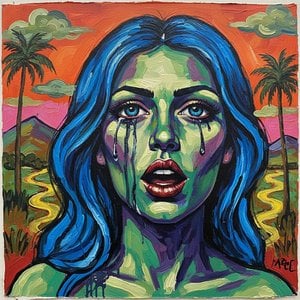
Embark on a journey through the vibrant world of Fauvism. Discover how masters like Henri Matisse revolutionized art through bold colors and raw emotion in this expert-led guide to one of modern art's most powerful movements.


 미리보기
미리보기
 공유하기
공유하기 공유하기
공유하기
 상세 정보
상세 정보 가이드 보기

 다운로드
다운로드
 유사 작품
유사 작품 X-레이
X-레이 슬라이드 쇼
 통계 정보
통계 정보

 더 보기
더 보기









 유리 옵션은 110cm 미만 크기에서만 선택 가능합니다.


