
원하는 크기와 액자로 주문 제작되는, 작가들이 직접 캔버스에 손으로 그린 유화 작품입니다. ( 프린트 판매로 전환 디지털 이미지로 전환)





























작품의 원본 비율을 유지하는 미리 설정된 크기 중에서 선택하세요.

특정 프레임이나 공간에 맞도록 직접 크기를 입력할 수 있습니다. 선택하신 크기가 원본 이미지의 비율과 일치하지 않는 경우, 작품을 자르거나 추가적인 손으로 그린 요소를 사용하여 그림을 확장합니다. 제작 시작 전 승인을 위해 디지털 목업을 보내드립니다.
화면 미리 보기는 실제 자르기 또는 확장을 반영하지 않습니다. 최종 구성은 목업을 통해서만 정확하게 확인하실 수 있습니다.
맞춤 크기 제작도 가능하지만, 원본 비율을 유지하기 위해 사전 정의된 목록에서 크기를 선택하시는 것을 권장합니다.

Still life (10)
복제본 크기
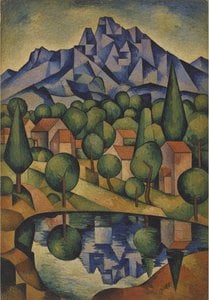
Henri Matisse's "Still Life (10)" isn’t merely a depiction of objects; it’s an immersion into a world sculpted by color, simplified forms, and a profound sense of quiet contemplation. Painted in the early 20th century, this work exemplifies the artist’s pivotal role in shaping modern art, moving decisively away from traditional representation towards a more subjective and emotionally resonant approach to painting. The piece, rendered likely in oil on canvas, immediately captivates with its bold palette – a harmonious blend of muted pinks, greens, yellows, and grays punctuated by the vibrant oranges of fruit. These hues aren’t used realistically; instead, they are deployed with an intuitive understanding of color relationships, creating a visual experience that is both calming and stimulating.
At first glance, the composition appears deceptively simple: a vase, a bottle, a cup, and scattered fruit arranged on a draped table. However, Matisse’s genius lies in his reductive approach to form. He strips away unnecessary detail, reducing each object – the vase, the bottle, the fruit – to its essential geometric shapes: rectangles, circles, and cylinders. This simplification isn't an exercise in abstraction; it’s a deliberate choice to heighten the painting’s decorative quality and emphasize the interplay of color and shape. The background fabric, rendered with broad brushstrokes, adds depth without resorting to traditional perspective, contributing to the overall flattened effect characteristic of Matisse’s style.
“Still Life (10)” firmly places itself within the context of Fauvism – a revolutionary artistic movement that emerged in France around 1905. The Fauves, meaning “wild beasts,” rejected academic conventions and embraced intense, non-naturalistic colors as their primary means of expression. Matisse was a key figure in this movement, alongside artists like André Derain and Maurice de Vlaminck. His use of color isn’t intended to mimic reality; rather, it serves to evoke emotion and create a purely visual experience. The vibrant oranges of the fruit stand out against the cooler tones of the background, drawing the viewer's eye and injecting a sense of warmth into the composition.
Interestingly, this work reflects Matisse’s evolving style. While initially influenced by Neo-Impressionism – particularly in his use of small, distinct brushstrokes – he gradually moved towards a more flattened picture plane and an emphasis on decorative patterns. “Still Life (10)” represents a transitional phase, showcasing the artist's experimentation with simplified forms and bold color choices while retaining elements of his earlier style. The deliberate lack of shading or detailed rendering contributes to this sense of movement between styles.
Despite its apparent simplicity, “Still Life (10)” possesses a subtle symbolic depth. The arrangement of objects – the vase, the bottle, the fruit – can be interpreted as representing elements of everyday life, yet they are presented in an idealized manner, devoid of specific narrative or context. This ambiguity invites viewers to project their own emotions and associations onto the scene. The painting evokes a feeling of serene contemplation, suggesting a moment of quiet beauty amidst the complexities of modern life. It’s not about depicting a particular object; it's about capturing a mood, an atmosphere—a distilled essence of visual pleasure.
Reproductions of this artwork offer a remarkable opportunity to experience Matisse’s genius firsthand. WahooArt.com and similar platforms provide high-quality hand-painted reproductions that faithfully capture the vibrancy of color, the fluidity of brushstrokes, and the overall emotional impact of the original painting. Whether adorning a gallery wall or gracing a living room, “Still Life (10)” continues to resonate with viewers today as a testament to Matisse’s innovative approach to art and his enduring legacy as one of the 20th century's most influential artists.


1869 - 1954 , 프랑스

Discover the profound emotional depth of Post-Impressionist landscapes. Explore how masters like Van Gogh revolutionized art through vibrant color, textured impasto, and symbolic expression in this expert guide to the movement that redefined modern art history.

Explore the transformative era of Post-Impressionism. Discover how masters like Cézanne and Matisse revolutionized color and form, moving beyond Impressionism to shape modern art history through structural innovation and expressive emotion.

Explore the vibrant evolution of Post-Impressionism. From Seurat's revolutionary Pointillism to the emotional depth of masters, discover how this movement redefined modern art history through color, structure, and unparalleled creative expression.
Explore the profound legacy of Paul Cézanne. Discover how his mastery of geometric forms and vibrant color bridged Impressionism and Cubism, offering timeless inspiration for fine art collectors and enthusiasts seeking to understand the foundations of modern art.


 미리보기
미리보기
 공유하기
공유하기 공유하기
공유하기
 상세 정보
상세 정보

 다운로드
다운로드
 유사 작품
유사 작품 X-레이
X-레이 슬라이드 쇼
 통계 정보
통계 정보

 더 보기
더 보기









 유리 옵션은 110cm 미만 크기에서만 선택 가능합니다.


