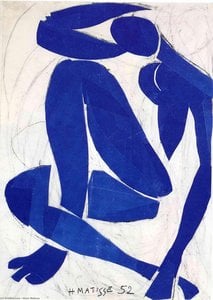
A Study in Bold Color: Exploring Henri Matisse’s “Standing Model”
The painting "Standing Model" by Henri Matisse, measuring 73 x 54 cm, transcends mere representation; it embodies the very essence of Fauvist aesthetics—a movement that revolutionized European art at the turn of the century. Born in Le Cateau-Cambrésis in 1869, Matisse’s artistic journey began unexpectedly after a serious illness sidelined his legal aspirations. Recognizing an innate talent for visual expression, he embraced painting with fervor, transforming from aspiring lawyer into one of France's most celebrated artists. This pivotal moment marked the genesis of a lifelong devotion to color and form, propelling him toward a path radically different from conventional expectations.
- Subject Matter: The artwork depicts a woman in a contemplative pose before a simple brick wall—a deliberate choice that eschews narrative complexity for focused observation of human presence.
- Style & Technique: Matisse’s signature Fauvist style is immediately apparent. Rejecting Impressionistic nuances, he employed unrestrained color palettes – predominantly blues and reds – applied with thick, expressive brushstrokes. This technique prioritizes visual impact over meticulous detail, conveying emotion rather than photographic accuracy.
The historical context surrounding “Standing Model” illuminates the broader artistic landscape of the early 20th century. Fauvism emerged as a reaction against academic conventions and championed a bold assertion of color’s expressive potential. Artists like Matisse sought to liberate painting from the constraints of naturalistic representation, prioritizing subjective experience and emotional resonance. This stylistic rebellion coincided with significant social and intellectual shifts—the rise of psychoanalysis and the questioning of established artistic hierarchies—reflecting a desire for artists to engage directly with feelings and sensations.
- Symbolism: While seemingly understated, the composition carries symbolic weight. The woman’s posture conveys stillness and introspection, inviting contemplation on themes of vulnerability and resilience. The brick wall serves as a grounding element, anchoring the figure against a vibrant backdrop—a visual metaphor for confronting challenges with unwavering resolve.
Emotional Impact & Artistic Legacy
“Standing Model” achieves its profound emotional impact through Matisse’s masterful manipulation of color and texture. The bold hues evoke feelings of serenity and contemplation, simultaneously capturing the quiet dignity of human experience. More than just a beautiful image, it represents a fundamental shift in artistic thinking—a rejection of illusionism in favor of direct expression. Matisse's influence extends far beyond Fauvism, shaping subsequent generations of artists who embraced color as a primary vehicle for conveying emotion and exploring the complexities of human psychology. Its enduring appeal testifies to the power of art to transcend time and communicate universal truths about beauty, vulnerability, and inner reflection.
질의응답
Fauvism 양식의 작품 "Standing Model"은 어느 나라에서 유래되었나요?
"Standing Model"은 프랑스 출신의 앙리 마티스가 Fauvism 운동의 흐름 속에서 제작한 작품입니다. 작가의 출신 배경은 이 작품을 프랑스 예술가들이 선보인 Fauvism 양식과 연결해 줍니다.
"Standing Model"의 작가는 누구인가요?
"Standing Model"의 작가는 앙리 마티스입니다. 이 작품은 앙리 마티스의 이름으로 등록되어 있습니다.
"Standing Model은(는) 앙리 마티스의 예술적 여정 중 어느 시기에 해당하나요?"
"Standing Model"은(는) 앙리 마티스의 Fauvist Period를 잘 보여주는 작품입니다.