
 Acrylic On CanvasWallArtAbstract Expressionism
 1947
1947 40.0 x 26.0 cm
원하는 크기와 액자로 주문 제작되는, 작가들이 직접 캔버스에 손으로 그린 유화 작품입니다. ( 프린트 판매로 전환 디지털 이미지로 전환)





























작품의 원본 비율을 유지하는 미리 설정된 크기 중에서 선택하세요.

특정 프레임이나 공간에 맞도록 직접 크기를 입력할 수 있습니다. 선택하신 크기가 원본 이미지의 비율과 일치하지 않는 경우, 작품을 자르거나 추가적인 손으로 그린 요소를 사용하여 그림을 확장합니다. 제작 시작 전 승인을 위해 디지털 목업을 보내드립니다.
화면 미리 보기는 실제 자르기 또는 확장을 반영하지 않습니다. 최종 구성은 목업을 통해서만 정확하게 확인하실 수 있습니다.
맞춤 크기 제작도 가능하지만, 원본 비율을 유지하기 위해 사전 정의된 목록에서 크기를 선택하시는 것을 권장합니다.

Papercut
복제본 크기
Henri Matisse, born December 31, 1869, wasn't initially destined for the luminous world of color he would come to define. His early life unfolded in Bohain-en-Vermandois, where he grew up amidst grain merchants—a background seemingly distant from the revolutionary artistic fervor that would soon consume him. Following a serious illness in 1889 – an appendicitis attack that necessitated convalescence – Matisse’s trajectory shifted dramatically. The enforced rest provided an unexpected catalyst for creativity; gifted art supplies by his mother sparked a passion he hadn't known existed, propelling him away from legal studies and toward the embrace of painting.
His formal artistic training began at the Académie Julian before progressing to the École Nationale des Beaux-Arts, establishing him firmly within the Parisian avant-garde. However, it was his encounter with Fauvism – spearheaded by André Derain and Maurice Denis – that truly cemented Matisse’s reputation as a visionary artist. This movement championed unrestrained color expression, rejecting naturalistic representation in favor of vibrant hues intended to evoke emotion rather than depict reality precisely.
While seemingly devoid of representational imagery, ‘Papercut’ possesses subtle symbolic undertones. The upside-down “Y” shape could be interpreted as representing vulnerability or perhaps even a yearning for upward movement—a visual metaphor for aspiration and overcoming obstacles. Similarly, the heart motif speaks to themes of love, compassion, and emotional connection – concepts central to Matisse's humanist worldview.
'Papercut', created in 1947 during Matisse’s mature period, reflects the broader artistic landscape of post-war Europe. Following the devastation of World War II, artists sought solace and inspiration in abstraction, exploring new ways to communicate emotion and experience. Matisse's unwavering commitment to color remained a beacon of optimism amidst uncertainty.
His influence extends far beyond Fauvism, shaping generations of artists who followed him. ‘Papercut’ stands as a testament to his enduring legacy—a captivating example of how bold artistic vision can transcend stylistic conventions and communicate profound emotional truths. It's a piece that invites contemplation and rewards repeated viewing with its harmonious interplay of color and form.


1869 - 1954 , 프랑스

앙리 마티스의 시대를 초월하는 걸작 25선을 만나보세요. 색채주의, 야수파를 대표하는 그의 삶과 예술 세계를 탐험하고, WahooArt에서 명화 복제본으로 거실 인테리어에 감동을 더하세요. 지금 바로 컬렉션을 확인하세요!

Journey through Wassily Kandinsky's 25 most iconic abstract paintings. Explore his revolutionary use of color, form & spiritual expressionism. Find museum-quality Kandinsky reproductions and elevate your home decor with WahooArt.com. Discover all masterpieces on WahooArt.com!

추상표현주의의 심장을 뛰게 한 10대 걸작을 만나보세요. 폴록, 로스코 등 거장의 작품 비하인드 스토리와 예술적 영감을 WahooArt에서! 지금 바로 미술품 컬렉션을 탐험하고, 당신의 공간에 특별한 예술적 감성을 더하세요. WahooArt.com
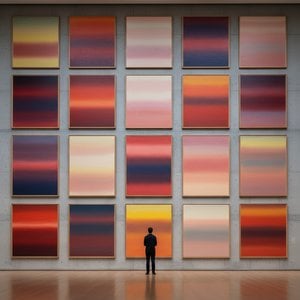
마크 로스코 최고작 25선을 만나보세요. 추상 표현주의 거장의 색채로 표현된 심오한 감정과 예술의 세계를 탐험하고, WahooArt에서 명화 복제본과 특별한 인테리어 아이디어를 찾아보세요. 지금 바로 컬렉션을 확인하세요!
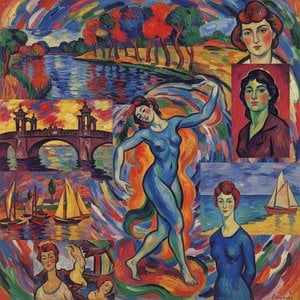
Explore 10 Fauvist masterpieces by Matisse, Derain & Vlaminck that ignited Modern Art! Discover bold colors, expressionist landscapes & the history of this revolutionary movement. Find museum-quality prints at WahooArt.com.


 미리보기
미리보기
 공유하기
공유하기 공유하기
공유하기
 상세 정보
상세 정보

 다운로드
다운로드
 유사 작품
유사 작품 X-레이
X-레이 슬라이드 쇼
 통계 정보
통계 정보 더 보기
더 보기









 유리 옵션은 110cm 미만 크기에서만 선택 가능합니다.


