

 Oil On CanvasWallArtFauvism
 1927Modern
 54.0 x 65.0 cm
빠른 제작과 다양한 마감 옵션을 선택할 수 있는 박물관 수준의 지클레이 및 캔버스 프린트. ( 수작업 채색 복제본 주문하기 디지털 이미지 판매 채널로 전환)





























작품의 원본 비율을 그대로 유지하는 프리셋 사이즈 중에서 선택해 보세요.

특정 프레임이나 공간에 맞춰 직접 치수를 입력하실 수 있습니다. 선택하신 사이즈가 원본 이미지의 비율과 일치하지 않을 경우, 작품을 크롭(자르기)하거나 이미지를 대칭 또는 단색 채우기로 확장하여 제작합니다. 제작 시작 전, 최종 확인을 위해 디지털 목업이 전송됩니다.
화면상의 미리보기는 실제 크롭이나 확장 상태를 반영하지 않으므로, 최종 구도는 오직 목업을 통해서만 정확하게 확인하실 수 있습니다.
맞춤 사이즈 제작도 가능하지만, 원본 비율을 유지하기 위해서는 사전 정의된 목록에서 치수를 선택하시는 것을 권장합니다.

Odalisque in grey culottes
복제본 규격
Henri Matisse's 1927 painting, “Odalisque in grey culottes,” is more than just a depiction of the reclining female form; it’s a vibrant exploration of color, line, and the very essence of visual pleasure. Housed within the esteemed Musée de l'Orangerie in Paris, this oil on canvas (measuring 54 x 65 cm) represents a pivotal moment in Matisse’s artistic evolution, showcasing his masterful ability to synthesize influences while forging a uniquely personal aesthetic language. The work doesn’t shout for attention; rather, it invites quiet contemplation, drawing the viewer into a world of luxurious textures and harmonious dissonance.
Matisse's choice of subject matter – the odalisque – is steeped in artistic tradition. Historically, these depictions of reclining women within Ottoman harems were often laden with exoticism and overt sensuality. However, Matisse transcends mere imitation. While acknowledging this historical context, he strips away much of the narrative weight, focusing instead on the aesthetic qualities of form and color. The figure isn’t presented as an object of desire but rather as a study in shapes and tones. This approach is deeply rooted in his earlier involvement with Fauvism – a movement characterized by its radical use of intense, non-naturalistic color. Though Matisse moved beyond the unrestrained palette of his Fauvist period, the emphasis on color as a primary means of conveying emotion remains powerfully present. Here, the colors are bold yet harmoniously integrated, creating a vibrant interplay that dances across the canvas. The flattened planes of color, rather than traditional modeling, define the form, emphasizing its two-dimensionality and contributing to the painting’s overall sense of decorative elegance.
What truly sets “Odalisque in grey culottes” apart is Matisse's extraordinary use of pattern and composition. The background isn’t a realistic depiction of an interior but rather a tapestry-like arrangement of blues, greens, yellows, and reds. These colors don’t blend seamlessly; they exist as distinct areas, contributing to a sense of vibrancy and rhythmic movement. Bold outlines further emphasize the shapes and forms within the composition, creating a visual structure that is both dynamic and serene. The odalisque herself, draped in grey culottes, becomes part of this overall pattern, her body echoing the curves and angles of the surrounding décor. This deliberate simplification and abstraction prioritize visual harmony over strict representational accuracy, inviting viewers to experience pure visual pleasure. The inclusion of seemingly mundane objects – a vase, bowls, bottles – adds a touch of domesticity, grounding the exotic subject matter in a relatable reality.
“Odalisque in grey culottes” stands as a testament to Matisse's enduring legacy. It exemplifies his ability to distill complex emotions and experiences into pure visual form, solidifying his place as one of the most important figures in modern art. The painting resonates with other works from his later period, such as “A Nude Lying on her Back,” “Odalisque, Blue Harmony,” and “Reclining Nude, back,” all sharing a similar emphasis on simplified forms, vibrant colors, and a sense of relaxed sensuality. More than just a beautiful image, this artwork is an invitation to slow down, to appreciate the interplay of color and form, and to experience the joy of seeing – a hallmark of Matisse’s artistic philosophy.


1869 - 1954 , 프랑스
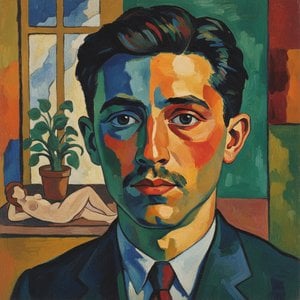
Explore the revolutionary art of Henri Matisse! Discover his bold use of color, Fauvist origins, and lasting impact on modern painting. A comprehensive guide for art enthusiasts.
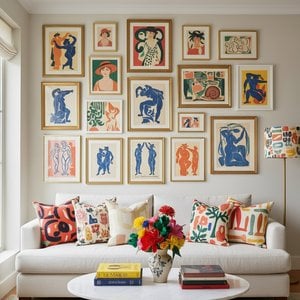
앙리 마티스의 시대를 초월하는 걸작 25선을 만나보세요. 색채주의, 야수파를 대표하는 그의 삶과 예술 세계를 탐험하고, WahooArt에서 명화 복제본으로 거실 인테리어에 감동을 더하세요. 지금 바로 컬렉션을 확인하세요!

Explore the revolutionary Fauvism movement & Henri Matisse's bold use of color! Discover key characteristics, iconic artworks, and its lasting impact on modern art history with WahooArt.
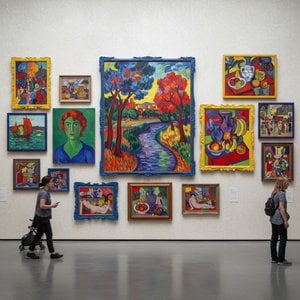
fauve 미술의 심장을 뛰게 하는 10대 걸작! 모리스 드니, 마티스 등 거장의 강렬한 색채와 혁신적인 표현을 만나보세요. 예술 작품 감상부터 인테리어 디자인 영감까지, WahooArt.com에서 명품 아트 프린트를 찾아보세요.
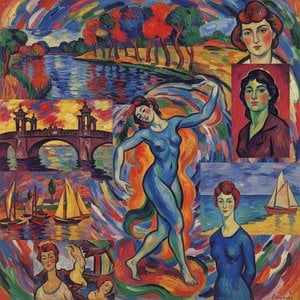
Explore 10 Fauvist masterpieces by Matisse, Derain & Vlaminck that ignited Modern Art! Discover bold colors, expressionist landscapes & the history of this revolutionary movement. Find museum-quality prints at WahooArt.com.

 실제 크기로 보기
 보내기
보내기 공유하기
공유하기
 상세 보기
상세 보기 가이드 보기

 이미지 다운로드
 유사 작품 더 보기
 X-레이
X-레이 슬라이드 쇼 보기
 통계 정보
통계 정보 상세 보기
상세 보기









 유리 옵션은 110cm 미만 크기에서만 선택 가능합니다.


